
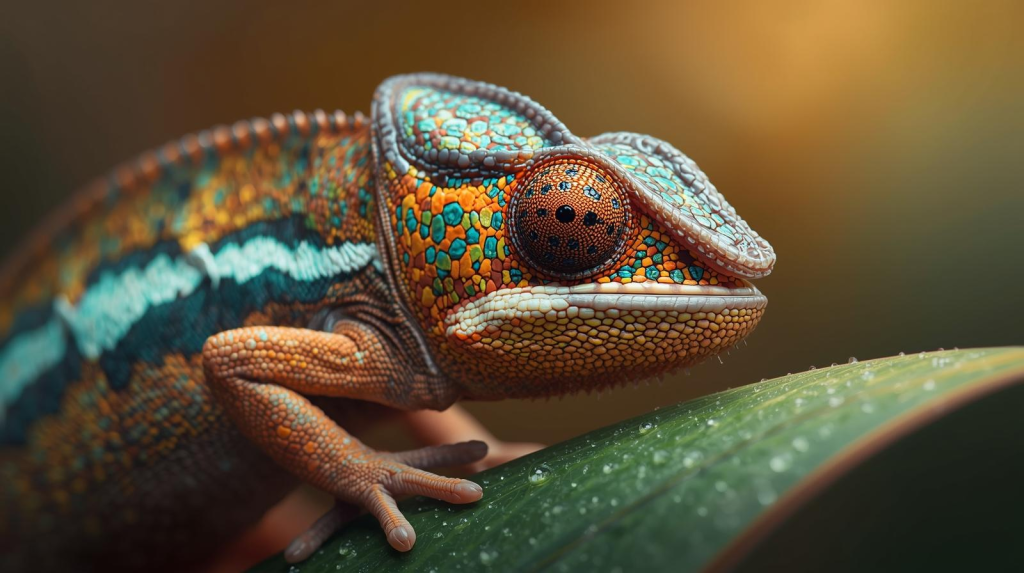

Reptiles have unique nutritional needs that change as they grow and develop. Hatchlings, juveniles, and adult reptiles all require different feeding strategies to maintain proper health. Because of this, reptile owners must understand how to adjust diets throughout the animal’s life.
Feeding reptiles properly ensures they receive the correct nutrients for growth, energy, and long-term well-being. Without proper nutrition, reptiles may develop bone disorders, slow growth, or weakened immune systems.
Fortunately, providing appropriate food at each stage of life is not complicated once you understand the basics. By adjusting portion sizes, food types, and feeding frequency, reptile owners can support healthy development from hatchling to adulthood.
This guide explains how reptile diets change over time and how owners can provide balanced nutrition through every stage of life.
Why Life Stage Nutrition Matters
Reptiles grow and change significantly throughout their lives. During early stages, they require nutrients that support rapid growth and development. Later in life, dietary needs shift toward maintaining energy and long-term health.
For this reason, feeding reptiles properly at each life stage plays a critical role in preventing nutritional deficiencies.
Young reptiles often require higher protein levels to build muscle and tissue. They also need more calcium to support bone formation.
Adult reptiles, however, may require fewer calories and a more balanced nutrient ratio.
When reptiles receive the correct nutrition for their life stage, they grow steadily and maintain strong immune systems.
Additionally, proper feeding routines reduce the risk of obesity, which can occur if adult reptiles consume excessive calories.
Understanding these changes helps reptile owners maintain consistent health throughout their pet’s life.
Feeding Hatchling Reptiles
Hatchling reptiles experience rapid growth during the first months of life. Their bodies develop quickly, and they require frequent meals to support that growth.
Because of this, feeding reptiles properly begins with providing small, nutrient-rich meals for hatchlings.
Most hatchlings eat daily or every other day depending on the species. Their meals should include appropriately sized prey or plant material that is easy to digest.
For insect-eating reptiles, common hatchling foods include:
• Small crickets
• Fruit flies
• Tiny roaches
• Black soldier fly larvae
Herbivorous hatchlings require finely chopped leafy greens and soft vegetables.
Additionally, calcium supplementation is especially important during this stage. Dusting feeder insects with calcium powder supports proper bone development.
Providing frequent, nutritious meals allows hatchlings to grow strong and healthy.
Transitioning to Juvenile Diets
As reptiles grow into juveniles, their metabolism remains active but begins to stabilize. Juveniles still require frequent meals, though portion sizes increase gradually.
At this stage, feeding reptiles properly means adjusting both meal size and food variety.
Juvenile reptiles typically eat every one to two days. Their diet should remain nutrient-rich to support ongoing development.
Insect-eating reptiles may begin consuming larger prey such as:
• Medium-sized crickets
• Dubia roaches
• Mealworms in moderation
Meanwhile, herbivorous reptiles should receive a wider variety of leafy greens and vegetables.
Adding different food sources ensures that juveniles receive a broader range of nutrients.
Variety also encourages healthy feeding behavior and reduces dietary imbalances.
Feeding Adult Reptiles
Adult reptiles usually require fewer meals than younger reptiles. Their growth slows, and their bodies focus more on maintenance than development.
Therefore, feeding reptiles properly in adulthood often involves reducing feeding frequency while maintaining nutritional balance.
Most adult reptiles eat every two to three days, though some species eat less frequently.
For example, adult snakes may eat once every one to two weeks depending on their size and species.
Adult lizards may consume larger but less frequent meals.
Maintaining balanced portions helps prevent obesity, which can become a concern in captive reptiles.
Providing a consistent feeding schedule also helps regulate metabolism and digestion.
Adjusting Protein Levels Over Time
Protein remains an important component of reptile diets. However, protein requirements change as reptiles mature.
When feeding reptiles properly, it is important to adjust protein intake according to age.
Young reptiles often need higher protein levels because their bodies are growing rapidly.
Insect-eating juveniles may consume protein-rich prey daily.
However, adult reptiles may require moderate protein levels instead of high-protein diets.
Too much protein in adult reptiles can cause kidney stress in some species.
Therefore, balancing protein intake supports long-term health.
Offering varied protein sources such as insects, worms, or small vertebrates helps maintain dietary balance.
Importance of Calcium and Vitamin Supplements
Supplements remain essential throughout many reptile life stages.
Therefore, feeding reptiles properly includes providing calcium and vitamins in appropriate amounts.
Calcium helps maintain strong bones and prevents metabolic bone disease.
Many reptiles require calcium dusted on feeder insects several times per week.
Vitamin D3 also plays an important role because it supports calcium absorption.
However, reptiles can also obtain vitamin D3 from proper UVB lighting.
Multivitamin supplements provide additional nutrients that may not appear naturally in captive diets.
Balanced supplementation helps reptiles maintain optimal health throughout their lives.
Hydration Through Diet and Environment
Hydration plays an important role in reptile health. Some reptiles drink water directly, while others obtain moisture from their food.
Because of this, feeding reptiles properly often includes offering moisture-rich foods.
Fresh vegetables provide hydration for herbivorous reptiles.
Certain fruits may also be offered occasionally, depending on the species.
Additionally, providing clean water sources ensures reptiles remain properly hydrated.
Some reptiles benefit from periodic misting or soaking.
Adequate hydration supports digestion and helps reptiles shed their skin properly.
Monitoring Reptile Health Through Feeding Habits
Feeding time provides valuable insight into reptile health. Observing appetite and behavior helps owners detect problems early.
When feeding reptiles properly, healthy reptiles typically display strong feeding responses.
Signs of healthy feeding behavior include:
• Consistent appetite
• Active movement during feeding
• Smooth digestion
• Regular shedding cycles
Loss of appetite or sudden refusal to eat may indicate stress or illness.
Environmental factors such as temperature and lighting can also influence appetite.
Monitoring feeding behavior helps reptile owners identify potential health issues quickly.
Adjusting Diet for Breeding and Reproduction
Breeding reptiles may require special dietary adjustments. Reproductive activity increases nutritional demands, particularly for females producing eggs.
During breeding periods, feeding reptiles properly involves increasing calcium and nutrient intake.
Females often require extra calcium to support egg formation.
Protein levels may also increase slightly to support reproductive energy demands.
Providing nutrient-dense meals during breeding seasons helps maintain the health of both parents and offspring.
Balanced nutrition during this stage also improves hatchling survival rates.
Preventing Overfeeding in Captive Reptiles
Captive reptiles may eat more food than they need if meals remain readily available. Overfeeding can lead to obesity and metabolic disorders.
Therefore, feeding reptiles properly includes controlling portions carefully.
Providing meals according to species requirements prevents excessive weight gain.
Monitoring body condition also helps determine whether feeding adjustments are necessary.
Healthy reptiles typically have firm bodies without excessive fat deposits.
Balanced feeding schedules help maintain healthy body weight and energy levels.
Adapting Feeding Strategies for Senior Reptiles
As reptiles age, their metabolism may slow slightly. Older reptiles may also become less active.
Therefore, feeding reptiles properly in later life may require slight adjustments.
Senior reptiles may benefit from smaller, easier-to-digest meals.
Soft foods or smaller prey items can help older reptiles eat comfortably.
Additionally, maintaining hydration and proper supplements remains important.
Regular observation ensures aging reptiles continue to receive appropriate nutrition.
Adjusting feeding strategies helps maintain comfort and health in older reptiles.
Conclusion
Understanding how reptile diets change over time allows owners to provide better care throughout their pet’s life. From hatchlings to senior reptiles, each life stage requires thoughtful nutritional adjustments.
By feeding reptiles properly, owners support healthy growth, strong bones, and balanced metabolism. Proper diets also strengthen immune systems and prevent common nutritional disorders.
Careful attention to portion size, food quality, and feeding schedules ensures reptiles receive the nutrients they need.
Additionally, monitoring feeding behavior helps detect health issues early.
With consistent care and appropriate feeding strategies, reptiles can thrive in captivity for many years.
Providing balanced nutrition throughout every life stage remains one of the most important responsibilities of responsible reptile ownership.
FAQ
1. How often should baby reptiles be fed?
Hatchling reptiles usually eat daily because their bodies grow rapidly during early development.
2. Do adult reptiles need to eat every day?
Most adult reptiles eat less frequently, often every few days depending on their species and metabolism.
3. Why are calcium supplements important for reptiles?
Calcium supports bone health and helps prevent metabolic bone disease in reptiles.
4. Can reptile diets change as they age?
Yes. Young reptiles require more frequent meals and higher protein levels than adults.
5. What signs show a reptile is eating well?
Healthy reptiles show strong appetite, consistent activity, and proper growth or body condition.