
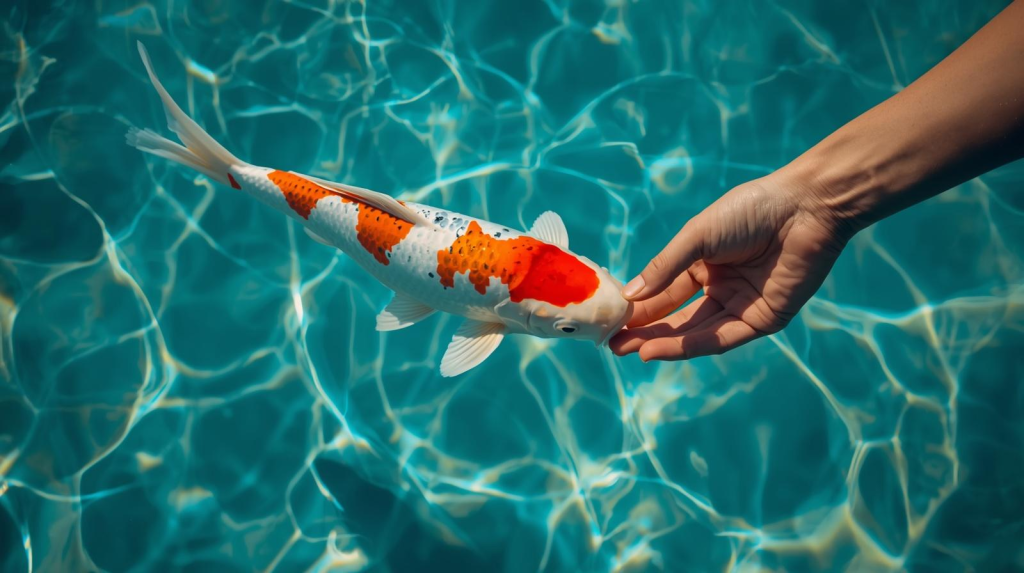

Aquarium fish depend entirely on their caretakers for proper nutrition. Unlike wild fish that forage freely, aquarium fish receive only the food provided to them. Because of this, maintaining balanced fish feeding is essential for long-term health and stability in an aquarium.
A balanced diet supports strong immune systems, vibrant coloration, and steady growth. In contrast, poor feeding habits can lead to malnutrition, water quality problems, and disease.
Fortunately, developing healthy feeding routines is not difficult. With the right knowledge, fish owners can provide diets that closely match the natural needs of their fish.
By combining proper food choices, portion control, and feeding schedules, aquarium owners create an environment where fish thrive. Understanding how to practice balanced fish feeding ensures that fish remain active, healthy, and resilient for many years.
Why Proper Fish Nutrition Matters
Nutrition affects every aspect of fish health. Fish rely on food not only for energy but also for growth, immune support, and tissue repair.
For this reason, balanced fish feeding plays a critical role in maintaining a healthy aquarium ecosystem.
Fish require a mixture of nutrients, including proteins, fats, vitamins, and minerals. When these nutrients remain balanced, fish can maintain proper body function.
Protein supports muscle development and growth. Healthy fats provide energy and assist in organ function. Vitamins strengthen the immune system, while minerals support bone and scale development.
However, imbalanced feeding can lead to problems quickly.
Overfeeding pollutes the water and stresses the aquarium filter system. Underfeeding weakens fish and reduces energy levels.
Therefore, understanding how to maintain proper dietary balance helps prevent both extremes.
Understanding the Dietary Needs of Different Fish
Not all fish share the same dietary preferences. Some fish eat mainly meat, while others consume plants or algae. Therefore, species differences must guide feeding decisions.
Maintaining balanced fish feeding requires selecting foods that match the natural diet of each species.
Fish generally fall into three main feeding categories:
• Carnivores – primarily eat insects, worms, or smaller fish
• Herbivores – mainly consume plant material and algae
• Omnivores – eat both plant and animal foods
Carnivorous fish require higher protein diets. Herbivorous species benefit from algae-based foods and vegetable matter. Omnivorous fish thrive on a mix of both.
When fish receive diets that match their natural feeding behavior, digestion improves significantly.
Consequently, fish remain healthier and more active.
Choosing High-Quality Fish Food
The quality of food greatly influences nutritional balance. Cheap foods often contain fillers that offer little nutritional value.
Therefore, selecting high-quality options supports balanced fish feeding more effectively.
Premium fish foods usually contain real protein sources, such as fish meal, shrimp meal, or krill. These ingredients provide essential amino acids needed for growth.
High-quality foods also include beneficial fats and stabilized vitamins.
When evaluating fish food labels, look for the following qualities:
• Real protein listed as the first ingredient
• Minimal filler content
• Balanced vitamin supplements
• Species-specific formulas
Better ingredients improve digestion and reduce waste production.
As a result, aquarium water stays cleaner while fish receive more nutrients.
Establishing Proper Feeding Portions
Even nutritious food becomes harmful when fed in excessive amounts. Overfeeding remains one of the most common mistakes in fish care.
Maintaining balanced fish feeding requires careful portion control.
Most fish should consume only what they can eat within two to three minutes.
If food remains uneaten after several minutes, the portion was too large.
Excess food sinks to the bottom of the aquarium and decomposes. This process increases ammonia and nitrate levels in the water.
Poor water quality then stresses fish and encourages disease.
Therefore, smaller portions given consistently help maintain both fish health and water stability.
Feeding slightly less is usually safer than feeding too much.
Creating a Consistent Feeding Schedule
Fish benefit from predictable routines. Feeding at regular times helps maintain stable digestion and energy levels.
Because of this, balanced fish feeding often includes a structured feeding schedule.
Most aquarium fish do well with one or two feedings each day.
Morning and evening feedings mimic natural feeding patterns found in the wild.
Additionally, occasional fasting days can benefit fish digestion.
Some aquarists skip feeding once per week to prevent overeating and support digestive health.
Consistency also helps fish recognize feeding times. As a result, they become more active and responsive during meals.
Regular routines create a stable environment that supports healthy metabolism.
Providing Variety in Fish Diets
Although commercial foods provide good nutrition, variety helps improve overall dietary balance.
Including multiple food types supports balanced fish feeding while preventing boredom.
Many aquarium owners supplement regular foods with occasional treats such as:
• Frozen brine shrimp
• Freeze-dried bloodworms
• Vegetable slices
• Spirulina-based foods
• Algae wafers
These foods introduce different nutrients and textures.
Variety also encourages natural feeding behavior.
However, treats should remain occasional supplements rather than daily meals.
Maintaining balance ensures fish receive complete nutrition without excess calories.
Understanding Feeding Behavior in Aquariums
Different fish species feed at different levels of the aquarium. Some fish eat near the surface, while others search for food along the bottom.
Therefore, balanced fish feeding should consider feeding zones.
Surface feeders benefit from floating flakes or pellets. Mid-water swimmers often prefer slow-sinking foods.
Meanwhile, bottom-dwelling fish require sinking wafers or pellets.
Providing multiple food types ensures that all fish receive adequate nutrition.
Without this approach, dominant fish may consume most of the food before others have a chance to eat.
Balanced feeding strategies help distribute food more evenly throughout the aquarium.
Monitoring Fish Health Through Feeding Behavior
Feeding time offers an excellent opportunity to observe fish health. Active feeding often signals good health and proper nutrition.
When practicing balanced fish feeding, watch how fish respond to food.
Healthy fish typically swim quickly toward food and eat eagerly.
If fish suddenly lose interest in meals, it may indicate illness or stress.
Changes in feeding behavior can signal water quality problems, disease, or dietary imbalance.
Observing fish during feeding allows owners to detect issues early.
Quick adjustments in diet or tank conditions often prevent more serious problems.
Preventing Overfeeding in Community Tanks
Community aquariums often contain multiple species competing for food. This competition can lead to accidental overfeeding.
Maintaining balanced fish feeding in these tanks requires careful observation.
Feed small portions gradually rather than adding large amounts at once.
This approach allows all fish to eat while preventing excessive leftovers.
Additionally, spreading food across different areas of the tank helps reduce competition.
Slow feeders then have a better chance to access food.
Balanced distribution improves nutrition while maintaining water quality.
Adjusting Feeding for Fish Growth and Age
Fish dietary needs change as they grow. Young fish require more frequent feeding to support rapid development.
Therefore, balanced fish feeding should adapt to life stages.
Juvenile fish often eat several small meals daily.
Adult fish typically require fewer meals.
Older fish may need softer foods that are easier to digest.
Adjusting feeding routines ensures that fish receive appropriate nutrition throughout their lifespan.
Flexible feeding strategies help maintain consistent health as fish mature.
Maintaining Water Quality Through Smart Feeding
Feeding practices directly influence aquarium water quality.
Excess food decomposes quickly, creating harmful waste products.
Because of this, balanced fish feeding supports both fish health and water stability.
Proper portion control minimizes uneaten food.
Additionally, high-quality foods produce less waste because fish digest them more efficiently.
Regular tank maintenance also supports healthy feeding conditions.
Combining good nutrition with clean water creates an environment where fish thrive.
Conclusion
Practicing balanced fish feeding is one of the most important responsibilities of aquarium care. Nutrition influences fish health, energy levels, and overall aquarium stability.
By selecting high-quality foods, controlling portions, and providing variety, fish owners can meet the dietary needs of their aquatic pets.
Consistent feeding routines also help maintain healthy digestion and predictable behavior.
Moreover, thoughtful feeding practices prevent water pollution and reduce stress within the tank.
When fish receive proper nutrition, they display vibrant colors, active swimming patterns, and strong immunity.
Ultimately, balanced feeding supports a thriving aquarium where fish remain healthy, energetic, and resilient for years to come.
FAQ
1. How often should aquarium fish be fed?
Most aquarium fish do well with one or two feedings per day. Smaller portions help prevent overfeeding and maintain water quality.
2. What types of food are best for aquarium fish?
High-quality flakes, pellets, frozen foods, and algae-based options provide balanced nutrition depending on fish species.
3. Can fish eat the same food every day?
Yes, but adding occasional variety improves nutrition and encourages natural feeding behavior.
4. How can I tell if I am feeding too much?
Uneaten food remaining in the tank after a few minutes usually indicates overfeeding.
5. Why is my fish not eating during feeding time?
Loss of appetite may signal stress, illness, or poor water conditions. Monitoring the tank environment can help identify the cause.