
Feeding aquarium fish may seem simple. However, diet plays a major role in long-term fish health. Many fish owners buy food without understanding what it contains. Unfortunately, poor nutrition can lead to weak immunity, dull coloration, and shorter lifespans.
For this reason, choosing high quality fish food becomes essential for maintaining a healthy aquarium. The right formula provides balanced nutrients, supports growth, and enhances natural coloration.
Good fish nutrition mimics the foods fish would consume in their natural habitat. Quality products include digestible proteins, essential fats, vitamins, and minerals.
In contrast, cheap foods often contain fillers that offer little nutritional value.
Understanding what separates premium fish diets from low-grade options helps you make better feeding decisions. When fish receive proper nutrition, they stay active, vibrant, and resilient against disease.
Why Fish Nutrition Matters
Fish rely entirely on their environment for food. Unlike wild fish, aquarium fish cannot choose their meals. Therefore, the responsibility for their nutrition falls on the owner.
Selecting high quality fish food ensures that fish receive the nutrients they need to thrive.
Balanced diets support several important functions in fish.
First, protein fuels muscle development and tissue repair. Second, healthy fats provide energy and support organ function. Additionally, vitamins strengthen the immune system.
Poor diets can quickly lead to health problems.
Fish may become lethargic, lose color, or stop growing properly.
In severe cases, malnutrition weakens resistance to disease.
Because aquarium ecosystems are controlled environments, nutrition must remain consistent and reliable. Feeding premium foods helps maintain stable health over time.
Key Ingredients Found in Premium Fish Diets
The ingredients list reveals a great deal about fish food quality. Premium formulas rely on nutrient-dense ingredients rather than inexpensive fillers.
When evaluating high quality fish food, look for protein sources listed at the beginning of the ingredient list.
Common high-quality proteins include:
• Whole fish or fish meal
• Krill or shrimp meal
• Spirulina algae
• Squid or marine proteins
• Insect-based proteins
These ingredients closely match natural diets.
For herbivorous fish species, plant ingredients like algae, seaweed, and vegetables may appear more prominently.
Balanced formulas also include beneficial fats such as omega fatty acids.
These fats support brain function, energy levels, and skin health.
Meanwhile, vitamins and minerals ensure proper metabolic function.
Together, these components create a well-rounded nutritional profile.
Avoiding Low-Quality Fillers
Not all fish food products offer the same nutritional value. Many inexpensive foods rely heavily on fillers.
Fillers provide bulk but little nutrition.
Therefore, identifying these ingredients helps you avoid poor-quality diets when choosing high quality fish food.
Common low-value fillers include:
• Wheat flour
• Corn meal
• Soybean hulls
• Rice bran
• Artificial color additives
Although some plant ingredients may be acceptable, excessive filler content reduces digestibility.
Fish may produce more waste when consuming filler-heavy diets.
Excess waste can also affect water quality in the aquarium.
Furthermore, artificial dyes may enhance food appearance without benefiting fish health.
Choosing products with fewer fillers helps ensure your fish receive real nutrition.
Protein Content and Digestibility
Protein remains the most important nutrient in most fish diets. Carnivorous and omnivorous species especially require protein-rich meals.
Because of this, high quality fish food typically contains significant protein levels.
However, the source of protein matters just as much as the percentage.
Fish digest marine-based proteins more efficiently than plant proteins.
Whole fish, shrimp, or krill provide amino acids that fish need for growth.
Digestible protein also reduces waste production in aquariums.
When fish absorb nutrients efficiently, fewer undigested particles enter the water.
Cleaner digestion supports better water quality and overall aquarium stability.
Protein content should match the needs of your specific fish species.
Carnivores require more protein than herbivores.
Therefore, always consider species requirements when choosing food.
Essential Vitamins and Minerals
Vitamins and minerals play a critical role in maintaining fish health. Without these micronutrients, fish may develop deficiencies that weaken their immune systems.
Therefore, high quality fish food always includes carefully balanced vitamin supplements.
Important vitamins in fish diets include:
• Vitamin C for immune support
• Vitamin A for vision and growth
• Vitamin D for bone development
• Vitamin E for cellular protection
Additionally, minerals support metabolic functions and skeletal strength.
Calcium and phosphorus help maintain bone structure.
Trace minerals assist enzyme activity and tissue repair.
Many premium fish foods stabilize vitamins to preserve freshness.
This stabilization ensures that nutrients remain effective during storage.
Specialized Formulas for Different Fish Species
Not all fish share the same dietary requirements. Some species eat insects and small fish, while others graze on algae or plant matter.
For this reason, high quality fish food often comes in specialized formulas.
Examples include:
• Carnivore diets for predatory fish
• Herbivore foods for algae-eating species
• Omnivore blends for community tanks
• Bottom-feeder sinking pellets
• Color-enhancing formulas
Matching food type to species improves digestion and nutrition.
For instance, goldfish benefit from plant-based diets with moderate protein.
Meanwhile, cichlids often require higher protein levels.
Specialized formulas help replicate natural feeding patterns.
Food Form and Feeding Behavior
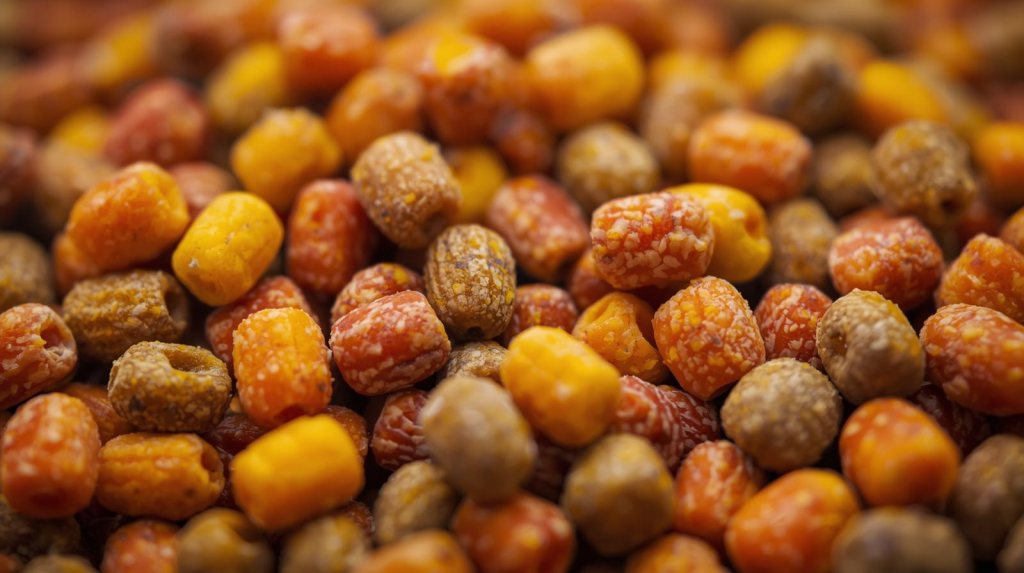
Fish foods appear in several physical forms, including flakes, pellets, wafers, and frozen options.
Each form supports different feeding behaviors.
When selecting high quality fish food, choose a format suited to your fish’s natural habits.
Flakes float near the surface and work well for top-feeding fish.
Pellets may float or sink depending on the formulation.
Sinking wafers benefit bottom-dwelling species such as catfish.
Freeze-dried and frozen foods provide natural textures that many fish enjoy.
Offering variety can also improve enrichment and feeding response.
However, portion control remains important to prevent overfeeding.
Freshness and Storage Quality
Even nutritious food loses value if it becomes stale. Exposure to air, moisture, or heat can degrade essential nutrients.
Because of this, maintaining freshness is an important aspect of high quality fish food.
Always store fish food in a cool, dry location.
Reseal containers tightly after each use.
Additionally, avoid buying extremely large containers if you cannot use them quickly.
Smaller containers help preserve freshness.
Some premium foods include vacuum-sealed packaging that protects nutrients longer.
Fresh food retains better flavor and nutritional value.
Fish often respond more eagerly to fresh diets as well.
How Proper Feeding Improves Fish Health
Consistent nutrition supports nearly every aspect of fish well-being.
When fish receive high quality fish food, noticeable improvements often appear.
Healthy fish typically show:
• Brighter coloration
• Active swimming behavior
• Strong appetite
• Smooth scales and fins
• Faster growth rates
Additionally, balanced diets strengthen immune systems.
Fish that receive proper nutrition resist disease more effectively.
Healthy diets also improve reproduction success in breeding species.
Over time, proper feeding contributes to a stable and thriving aquarium ecosystem.
Recognizing Signs of Poor Nutrition
Fish often display physical and behavioral signs when diets lack proper nutrients.
Recognizing these warning signs can help you adjust feeding habits quickly.
Low-quality diets lacking high quality fish food may cause:
• Dull or faded colors
• Slow growth
• Reduced activity
• Fin deterioration
• Increased illness
Poor nutrition can also weaken the immune system.
As a result, fish may become more vulnerable to parasites or infections.
Switching to a more balanced diet often improves these symptoms gradually.
Creating a Balanced Feeding Routine
Even the best fish food cannot support health if feeding practices are poor.
Therefore, combining high quality fish food with a proper feeding routine ensures optimal results.
Most aquarium fish should eat once or twice daily.
Feed only small portions that fish can consume within a few minutes.
Overfeeding leads to uneaten food that pollutes aquarium water.
Additionally, occasional fasting days can benefit some species.
Fasting allows the digestive system to rest while preventing overeating.
Consistency and moderation help maintain stable aquarium conditions.
Conclusion
Choosing the right high quality fish food plays a crucial role in maintaining a healthy aquarium. Nutritious diets support growth, vibrant coloration, and strong immune systems.
Premium foods rely on real protein sources, balanced nutrients, and minimal fillers. These ingredients closely mimic natural diets found in the wild.
By selecting foods carefully and maintaining a consistent feeding routine, fish owners create an environment where aquatic pets can thrive.
Healthy diets improve activity levels, enhance coloration, and promote long-term vitality.
Ultimately, investing in nutritious fish food benefits not only the fish but also the stability of the entire aquarium ecosystem.
FAQ
1. How can I tell if fish food is nutritious?
Look for protein-rich ingredients like fish meal, shrimp, or krill at the top of the ingredient list and avoid foods dominated by fillers.
2. Are flakes or pellets better for aquarium fish?
Both can work well. The best choice depends on the feeding habits and species of fish in your aquarium.
3. How often should fish be fed?
Most fish benefit from feeding once or twice daily with portions they can finish within a few minutes.
4. Can fish eat the same food every day?
Yes, if the diet is balanced. However, occasional variety with frozen or freeze-dried foods can provide enrichment.
5. What happens if fish receive poor nutrition?
Fish may experience slower growth, weakened immunity, dull coloration, and increased susceptibility to disease.