Dog obesity causes are often misunderstood. Many owners blame age, laziness, or breed. However, the real issue usually sits in the food bowl. What your dog eats every day plays a powerful role in their weight, energy, and lifespan.
Obesity in dogs does not happen overnight. Instead, it builds slowly. A few extra treats here. Slightly bigger portions there. Over time, those small choices add up. Before you know it, your dog is carrying extra pounds that strain their body.
So why do poor diets cause dog obesity? And more importantly, how can you prevent it? Let’s break it down in simple terms.
Understanding Dog Obesity Causes and Diet Impact
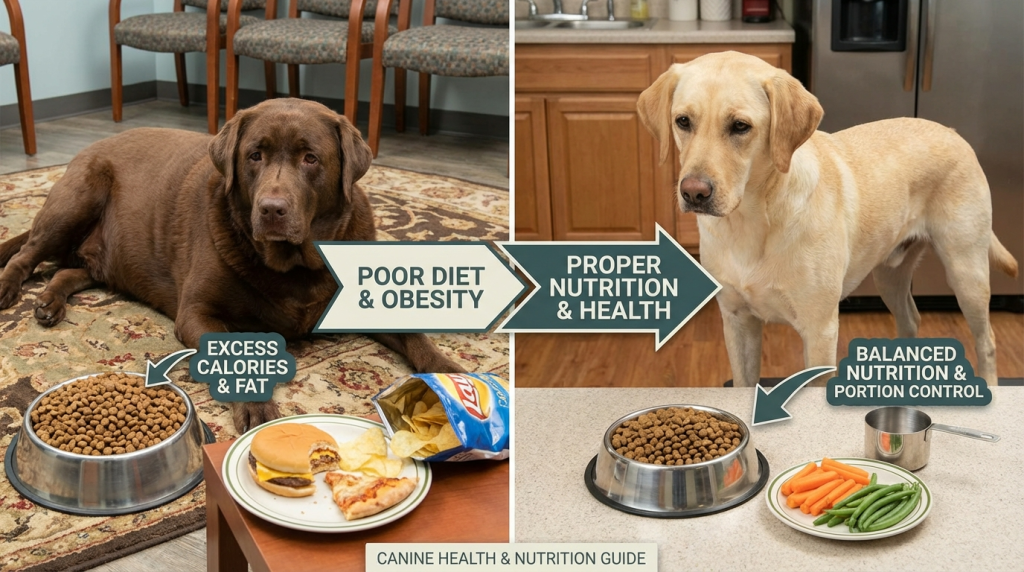
When we talk about dog obesity causes, we must start with calories. Weight gain happens when a dog consumes more calories than they burn. It sounds simple. Yet many commercial dog foods make this imbalance easy.
Most low-quality dog foods are calorie-dense. They contain fillers like corn, wheat, and soy. While these ingredients make food cheaper, they offer little nutritional value. Your dog feels hungry sooner. As a result, you feed more.
Furthermore, processed foods often contain added fats and flavor enhancers. These ingredients increase palatability. Dogs eat more because the food tastes good. However, their bodies store the excess energy as fat.
In addition, many owners misjudge portion sizes. Scooping “a little extra” seems harmless. However, even 10% more food daily can lead to significant weight gain over months.
Therefore, poor diet quality and portion control are central dog obesity causes.
High-Calorie Foods: Hidden Dog Obesity Causes
Not all calories are equal. Some foods pack far more energy per cup than others. For example, premium performance foods designed for active working dogs are calorie-rich. If fed to a low-activity pet, weight gain follows.
Moreover, table scraps contribute heavily to dog obesity causes. A slice of pizza crust. A piece of cheese. A bite of steak. These treats feel like love. Yet they are calorie bombs.
Consider this: a small dog eating a cookie may consume the human equivalent of several donuts. The calorie impact is dramatic.
Additionally, many commercial treats are loaded with fat and sugar. While dogs cannot taste sweetness the way humans do, their bodies still process sugar. Excess sugar becomes stored fat.
Consequently, frequent high-calorie treats without adjusting meal portions create a steady upward climb on the scale.
Poor Nutrient Balance and Dog Obesity Causes
Another overlooked factor in dog obesity causes is nutrient imbalance. A diet high in carbohydrates but low in protein creates problems.
Protein helps maintain lean muscle. Muscle burns more calories than fat. Therefore, dogs eating low-protein diets may lose muscle over time. As muscle mass decreases, metabolism slows.
When metabolism slows, calorie burn drops. Even if food intake remains stable, weight gain can occur.
Furthermore, poor-quality carbohydrates spike blood sugar. That spike is followed by a crash. Dogs feel hungry again. Owners respond by feeding more. The cycle continues.
Balanced nutrition matters. High-quality protein, healthy fats, and controlled carbohydrates support stable energy. In contrast, unbalanced food quietly drives obesity.
Overfeeding: One of the Leading Dog Obesity Causes
Overfeeding is perhaps the most common of all dog obesity causes. Many pet owners equate food with affection. When a dog looks at you with hopeful eyes, it feels natural to give in.
However, dogs are opportunistic eaters. In the wild, food scarcity shaped their behavior. Therefore, they eat when food is available. They rarely self-regulate in domestic settings.
Additionally, feeding guidelines on packaging are often broad. They do not account for your dog’s specific activity level, age, or metabolism.
A sedentary indoor dog requires fewer calories than a farm dog running all day. Yet both may be fed identical portions.
Because of this mismatch, calories accumulate. Over time, fat storage increases. The change may seem small at first. However, after months, it becomes obvious.
Lack of Fiber and Satiety in Dog Obesity Causes
Fiber plays a subtle yet important role in preventing dog obesity. High-fiber foods promote fullness. They slow digestion and stabilize blood sugar.
Unfortunately, many poor diets lack sufficient natural fiber. Instead, they rely on refined grains.
Without enough fiber, dogs feel hungry sooner. Owners feed again. Consequently, daily calorie intake climbs.
Imagine eating white bread all day. You would feel hungry quickly. Now imagine eating whole grains and vegetables. You would stay full longer. Dogs experience similar effects.
Therefore, low-fiber diets indirectly contribute to dog obesity causes.
Frequent Treating and Behavioral Patterns
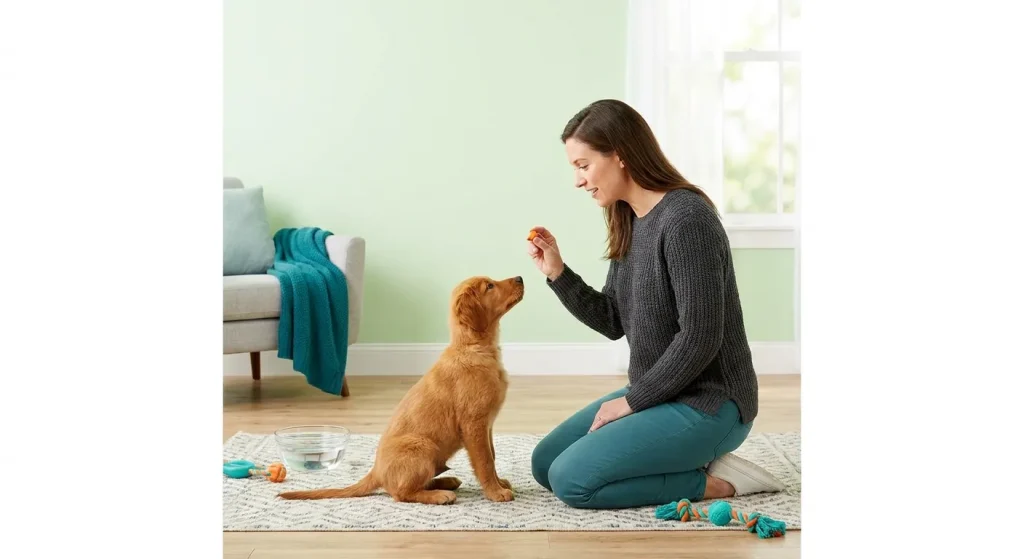
Training treats are helpful. They reinforce good behavior. However, when used excessively, they become major contributors to dog obesity causes.
Many owners forget to count treats as calories. Ten small treats may equal a quarter of a meal.
Additionally, boredom feeding plays a role. When dogs seem restless, owners may offer snacks. However, restlessness often signals a need for activity, not food.
Emotional feeding also happens. Owners celebrate with treats. They comfort with treats. They bond through food.
While food strengthens connection, it should not replace exercise or attention.
Metabolism, Age, and Dog Obesity Causes
Age naturally affects metabolism. As dogs grow older, they move less. Muscle mass declines. Calorie needs decrease.
If diet remains unchanged, weight gain occurs. Therefore, age-adjusted feeding is crucial.
Moreover, certain breeds are genetically predisposed to weight gain. Labradors, Beagles, and Bulldogs commonly struggle with obesity.
However, genetics do not guarantee obesity. Diet still determines outcome.
While age and breed matter, poor nutrition remains a primary driver among dog obesity causes.
Health Consequences Linked to Dog Obesity Causes
Why does this matter so much? Because obesity is not cosmetic. It is medical.
Excess weight stresses joints. Arthritis develops earlier. Breathing becomes harder. Heat tolerance drops.
Furthermore, obesity increases the risk of diabetes. It strains the heart. It shortens lifespan.
Studies suggest overweight dogs live nearly two years less than lean dogs. Two years is significant in a dog’s life.
Therefore, addressing dog obesity causes early protects long-term health.
How to Reverse Dog Obesity Causes Through Diet
The good news is this: diet-driven obesity can be reversed.
First, evaluate your dog’s current food. Check the ingredient list. Look for named animal proteins as the first ingredient. Avoid excessive fillers.
Second, measure portions carefully. Use a measuring cup or scale. Do not eyeball it.
Third, reduce treats. If treats are necessary, subtract calories from meals.
Fourth, consider switching to a weight-management formula. These foods contain fewer calories and more fiber.
However, transition gradually. Sudden changes can upset digestion.
Additionally, increase activity where possible. Even short daily walks boost calorie burn.
Small consistent changes lead to steady weight loss.
Prevention: Stopping Dog Obesity Causes Before They Start
Prevention is easier than reversal. Regularly monitor your dog’s body condition.
You should feel ribs without pressing hard. A visible waist should exist when viewed from above.
If weight creeps up, adjust early. Do not wait for a dramatic gain.
Schedule routine vet checkups. Discuss calorie needs annually.
Most importantly, remember that love is not measured in treats. It is measured in care.
Building a Healthy Feeding Routine
Consistency helps prevent dog obesity causes. Feed at the same times daily. Avoid free-feeding unless medically advised.
Free-feeding often leads to grazing and overeating.
Instead, provide structured meals. Remove the bowl after 15–20 minutes.
Additionally, use slow feeders if your dog eats too quickly. Slower eating improves satiety signals.
Hydration also matters. Fresh water should always be available.
A structured feeding routine reduces accidental overconsumption.
The Psychology Behind Dog Obesity Causes
Dogs respond to cues. If they receive food whenever they beg, begging increases.
Therefore, ignore food-seeking behavior outside meal times.
Reward with praise or play instead.
Behavioral shifts reduce excess calorie intake. Over time, new habits form.
Weight control is not about restriction. It is about balance.
Dog Obesity Causes and Long-Term Wellness
Addressing dog obesity causes transforms more than weight. Energy improves. Mobility increases. Mood often brightens.
Lean dogs move with ease. They play longer. They age better.
Nutrition is fuel. When fuel quality improves, performance follows.
Think of your dog’s body like an engine. Low-quality fuel clogs the system. High-quality fuel powers it efficiently.
The choice sits in your hands.
Conclusion
Dog obesity causes are closely tied to poor diet choices. High-calorie foods, overfeeding, low fiber, and excessive treats quietly lead to weight gain. However, with mindful feeding, balanced nutrition, and consistent habits, obesity can be prevented and reversed. Your dog depends on you for every meal. By choosing wisely, you protect their health, mobility, and lifespan for years to come.
FAQ
- What are the main dog obesity causes?
The main dog obesity causes include overfeeding, high-calorie diets, excessive treats, low protein intake, and lack of portion control. - Can poor-quality dog food cause obesity?
Yes. Poor-quality food often contains fillers and excess calories, which contribute to weight gain over time. - How do I know if my dog is overweight?
You should be able to feel your dog’s ribs easily and see a visible waist from above. If not, your dog may be overweight. - How quickly can a dog lose weight safely?
Safe weight loss is gradual. Most dogs lose 1–2% of body weight per week under veterinary guidance. - Are treats always bad for dogs trying to lose weight?
Treats are not inherently bad. However, they must be limited and counted within daily calorie intake to prevent further weight gain.