
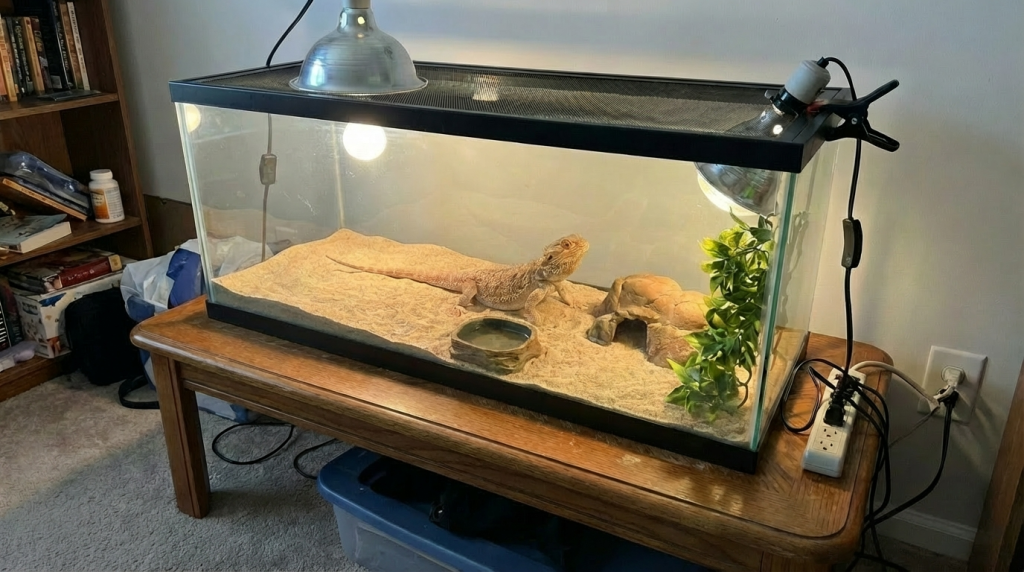

Reptile enclosure mistakes are more common than many owners realize. A tank may look beautiful. The décor may appear natural. However, hidden dangers often sit in plain sight.
Unlike mammals, reptiles depend completely on their environment for survival. They cannot regulate body temperature internally. They cannot escape hazards easily. Therefore, even small enclosure errors can lead to burns, broken bones, infections, and long-term stress.
Because reptiles often hide signs of discomfort, injuries may go unnoticed until serious damage occurs. Prevention, therefore, is not optional. It is essential.
Let’s explore the most common reptile enclosure mistakes and how to avoid them before they harm your snake, lizard, or turtle.
Improper Heating: The Most Dangerous Reptile Enclosure Mistake
Heating errors top the list of reptile enclosure mistakes.
Heat lamps placed too close can cause severe burns. Heat rocks without thermostats often overheat unpredictably. Meanwhile, insufficient heat prevents digestion and weakens immunity.
Reptiles require temperature gradients. That means one side of the enclosure should be warmer, while the other remains cooler. Without this gradient, reptiles cannot regulate body temperature.
Additionally, all heat sources must be controlled by thermostats. Unregulated heating devices are a leading cause of injury.
Use digital thermometers on both ends of the enclosure. Surface temperatures should also be checked with infrared thermometers.
Stable heating protects both metabolism and skin integrity.
Sharp or Unsafe Décor Choices
Naturalistic décor looks appealing. However, certain materials can be dangerous.
One frequent reptile enclosure mistake involves adding sharp rocks or rough driftwood without smoothing edges. Climbing reptiles may scrape their skin. Snakes can suffer facial abrasions.
Inspect every decoration carefully. Run your hand across surfaces. If it feels sharp to you, it is too sharp for your reptile.
Additionally, unstable décor can collapse. Heavy rocks should always rest directly on the tank bottom, not on loose substrate.
Safety must always outweigh aesthetics.
Incorrect Substrate Selection
Substrate affects more than appearance.
Loose substrates like sand or bark may cause impaction if ingested. This issue is common among young lizards and snakes.
One critical reptile enclosure mistake is using substrate unsuitable for the species. Desert reptiles require different materials than tropical species.
Additionally, damp substrates can promote bacterial growth. Excess moisture may cause scale rot in snakes.
Research species-specific needs before choosing bedding.
Clean and replace substrate regularly to prevent contamination.
Insufficient Ventilation
Airflow is often overlooked.
Poor ventilation allows humidity and ammonia to accumulate. As a result, respiratory infections may develop.
Reptile enclosure mistakes sometimes include sealing tanks too tightly to retain heat. However, stagnant air harms more than it helps.
Proper ventilation maintains oxygen exchange while supporting humidity control.
Screen tops or vent panels improve airflow without sacrificing temperature stability.
Balanced air quality protects lung health.
Inadequate Hiding Spaces
Reptiles require security.
A common reptile enclosure mistake involves providing open spaces without adequate hides. Without shelter, reptiles experience chronic stress.
Stress suppresses immune function and affects feeding behavior.
Every enclosure should include at least two hides: one on the warm side and one on the cool side.
Secure hiding spots reduce anxiety and encourage natural behavior.
Because reptiles are prey animals in the wild, security promotes stability.
Overcrowding the Enclosure
Decorative clutter restricts movement.
Although enrichment is important, overcrowding creates hazards. Climbing reptiles may fall if pathways are blocked.
Snakes need space to stretch fully. Lizards need room to bask and retreat.
Reptile enclosure mistakes often involve prioritizing appearance over functionality.
Design with open pathways. Allow room for natural movement.
Minimalist layouts often improve safety.
Improper Lighting Placement
Lighting must be positioned carefully.
UVB bulbs blocked by glass provide no benefit. Placing bulbs too close may cause eye irritation.
Reptile enclosure mistakes in lighting setup often involve incorrect distances.
Follow manufacturer guidelines for bulb placement. Replace UVB bulbs regularly, as output declines over time.
Additionally, provide shaded areas so reptiles can escape direct light.
Balanced lighting supports both calcium metabolism and comfort.
Incorrect Humidity Levels
Humidity influences skin health and shedding.
Too little humidity may cause retained shed. Excess humidity promotes fungal infections.
One common reptile enclosure mistake involves guessing humidity rather than measuring it.
Use hygrometers to track levels accurately.
Species-specific requirements vary widely. Ball pythons need higher humidity than bearded dragons.
Adjust misting and ventilation accordingly.
Unsecured Lids and Escape Risks
Reptiles are skilled escape artists.
Loose lids or weak screen tops create opportunities for escape. Once outside the enclosure, reptiles face injury or loss.
Secure locking mechanisms prevent accidents.
Reptile enclosure mistakes sometimes occur because owners underestimate strength and persistence.
Always double-check closures after maintenance.
Prevention protects both reptile and household.
Using Household Chemicals Nearby
Cleaning products and air fresheners pose serious risks.
Reptile enclosure mistakes include spraying chemicals near tanks.
Reptiles absorb toxins through their respiratory systems and skin.
Use reptile-safe disinfectants only. Rinse thoroughly before returning animals to the enclosure.
Additionally, avoid smoking or burning candles near tanks.
Air quality directly affects health.
Ignoring Growth and Size Changes
Reptiles grow.
An enclosure suitable for a juvenile may become restrictive within months.
Reptile enclosure mistakes sometimes stem from failing to upgrade tank size.
Overcrowded enclosures cause stress and physical injury.
Plan for adult size from the beginning whenever possible.
Adequate space promotes natural movement and muscle development.
Water Dish Placement Errors
Water dishes serve multiple purposes.
They provide hydration and support humidity.
However, placing dishes under heat lamps may cause rapid evaporation.
Additionally, unstable bowls can tip, soaking substrate.
Reptile enclosure mistakes involving water placement lead to humidity imbalance or mold growth.
Choose heavy, stable dishes and position them strategically.
Improper Handling During Enclosure Cleaning
Maintenance requires caution.
Reptiles should be moved gently into secure temporary containers during cleaning.
One overlooked reptile enclosure mistake involves handling animals roughly or leaving them unattended.
Stress during maintenance may cause injury.
Calm, deliberate handling reduces risk.
Mixing Incompatible Species
Some reptiles cannot coexist safely.
Mixing aggressive or territorial species results in injury.
Even similar species may compete for heat and hiding spots.
Reptile enclosure mistakes often include assuming peaceful coexistence.
Separate enclosures prevent conflict.
Conclusion: Build Safety Into Every Detail
Reptile enclosure mistakes can cause serious injury. Burns, falls, infections, and stress often result from preventable errors.
Proper heating, safe décor, correct substrate, adequate ventilation, and secure lids form the foundation of safe husbandry.
Every element inside the enclosure influences health.
When you design thoughtfully and monitor conditions consistently, your reptile thrives.
Safety is not accidental. It is intentional.
Protect your reptile by eliminating common enclosure mistakes before harm occurs.
FAQs
- What is the most common reptile enclosure mistake?
Improper heating without thermostats is one of the most dangerous mistakes. - Can sharp décor really injure reptiles?
Yes, sharp or unstable decorations can cause cuts, abrasions, and falls. - How do I prevent burns in my reptile enclosure?
Use thermostats, secure heat sources, and monitor surface temperatures regularly. - Why are hiding spots important?
Hides reduce stress and allow reptiles to regulate temperature safely. - How often should I inspect the enclosure for hazards?
Inspect weekly for loose décor, equipment issues, and cleanliness to prevent injury.