The Fascinating World of Maine Coon Cats
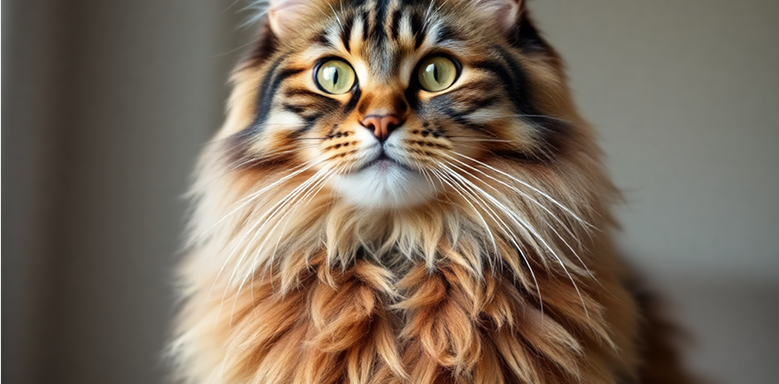
Known as the “gentle giants” of the cat world, Maine Coons are adored for their intelligence, friendliness, and majestic looks. With tufted ears, long fluffy tails, and a regal stance, they look like miniature lions—but with hearts of gold.
Maine Coons aren’t just one of the largest domesticated cat breeds—they’re also one of the most affectionate. They love human company, get along with kids and other pets, and bring a unique blend of playfulness and grace to every home.
Whether you’re a long-time cat lover or a first-time owner, the Maine Coon cat will charm you with its personality, loyalty, and unmistakable beauty.
The History of the Maine Coon Cat
The origins of the Maine Coon cat are filled with myths and wonder. Some believe they descended from long-haired cats brought to North America by Viking explorers. Others claim Marie Antoinette’s cats traveled to Maine during her failed escape from France.
A True American Breed
Despite the myths, experts agree that the Maine Coon originated in the northeastern United States, particularly Maine, where it became the official state cat. These hardy cats adapted to cold climates, developing thick coats, large paws, and bushy tails that helped them survive snowy winters.
Rise to Fame
By the late 1800s, Maine Coons were stars at cat shows and beloved family pets. However, their popularity waned when exotic breeds like Persians and Siamese arrived. Fortunately, dedicated breeders revived interest in the mid-20th century. Today, they rank among the most popular cat breeds worldwide.
Distinctive Features of the Maine Coon
One look at a Maine Coon cat, and you’ll understand why they’re often called the “dogs of the cat world.” Their appearance and temperament set them apart from other felines.
Majestic Appearance
Maine Coons are large, muscular cats with broad chests and long, rectangular bodies. Males often weigh between 13–18 pounds, while females range from 8–12 pounds. Their most distinctive features include:
- A long, luxurious double-layered coat
- Tufted ears resembling a lynx
- A full, plume-like tail
- Expressive oval eyes that range from gold to green
Gentle Temperament
Despite their size, Maine Coons are famously gentle and affectionate. They’re loyal, intelligent, and known to follow their humans from room to room.
Vocal and Expressive
Maine Coons rarely meow loudly. Instead, they communicate through soft chirps and trills—a sound as charming as their personality.
Maine Coon Personality Traits
What truly makes a Maine Coon special is its unique blend of playfulness and calm.
Affectionate but Independent
They love human companionship but don’t demand constant attention. You’ll often find your Maine Coon quietly observing you from across the room or curling up beside you without intruding on your space.
Playful and Intelligent
These cats are natural hunters and enjoy games that challenge their minds. Puzzle toys, feather wands, and fetch sessions keep them entertained. Some even enjoy walking on a leash or playing in water.
Family-Friendly Nature
Maine Coons are great with children and other animals. Their patience and gentle demeanor make them ideal family pets.
Sociable but Not Clingy
They greet guests politely but prefer calm affection over excessive cuddling. Think of them as the perfect balance between an introvert and extrovert in cat form.
Caring for Your Maine Coon Cat
Owning a Maine Coon is a joy, but their majestic looks come with care responsibilities. With proper grooming, nutrition, and attention, your Maine Coon will stay healthy and happy for many years.
Diet and Nutrition
Maine Coons are big cats with big appetites. Their diet should support their size and energy levels.
- High-protein food: Choose premium cat food with meat listed as the main ingredient.
- Healthy fats: Omega-3 and omega-6 fatty acids promote a shiny coat and healthy joints.
- Hydration: They love running water, so consider a pet fountain to encourage drinking.
Avoid overfeeding, as Maine Coons can easily become overweight due to their hearty appetites.
Grooming and Coat Care
Their thick fur looks beautiful but can tangle without care.
- Brush at least 2–3 times weekly to prevent matting.
- Use a wide-tooth comb for undercoat maintenance.
- Bathe occasionally to remove dirt and oil buildup.
- Trim claws and clean ears regularly to prevent infection.
Unlike some long-haired breeds, Maine Coon coats are water-resistant and less prone to matting, making grooming easier than it looks.
Exercise and Enrichment
Maine Coons are active cats that thrive on playtime. Provide climbing trees, scratching posts, and puzzle feeders to stimulate their minds and bodies.
Interactive play sessions, such as fetch or laser tag, strengthen your bond and keep your cat fit.
Health Care and Vet Visits
Regular veterinary checkups are essential. Schedule annual visits for vaccinations, dental care, and health screenings.
Keep an eye out for:
- Hip dysplasia: Common in large breeds.
- Hypertrophic cardiomyopathy (HCM): A genetic heart condition.
- Obesity: Regular activity prevents excessive weight gain.
Training and Socialization
Yes—Maine Coons can be trained! Their intelligence and eagerness to please make them quick learners.
Litter and Leash Training
Most Maine Coons learn litter box habits easily. You can also train them to walk on a harness, which adds adventure to their routine.
Positive Reinforcement
Use treats, affection, and gentle praise to teach commands. Avoid harsh discipline; this breed responds best to encouragement.
Early Socialization
Expose your kitten to new people, sounds, and environments early on. This builds confidence and prevents shyness as they grow.
Common Health Concerns
While Maine Coons are hardy cats, they are predisposed to certain health conditions.
1. Hypertrophic Cardiomyopathy (HCM)
This is the most common heart condition in cats. Reputable breeders screen for it before breeding. Regular vet checkups can help detect it early.
2. Hip Dysplasia
Their large frame can strain hip joints, leading to discomfort. Maintain a healthy weight and provide low-impact play.
3. Dental Problems
Tartar buildup can lead to gum disease. Brush your cat’s teeth regularly and offer dental treats.
4. Spinal Muscular Atrophy
A genetic condition that affects muscle development. It’s not painful but can reduce mobility, so genetic testing is key before adoption.
Living with a Maine Coon Cat
Life with a Maine Coon is full of joy, laughter, and companionship. They fit well into families, couples, and even single households.
They’re adaptable to most environments but thrive in homes where they can climb, explore, and interact. Maine Coons love routine and quickly form emotional bonds with their owners.
Indoor vs. Outdoor Living
While they love the outdoors, keeping your Maine Coon indoors protects them from injuries and diseases. Create an indoor adventure zone with cat trees and perches instead.
Interaction and Bonding
Talk to them! Maine Coons enjoy conversation and respond with chirps and trills. They’ll follow you around, curious about everything you do.
Longevity and Quality of Life
With good care, Maine Coons live 12–15 years or longer. Their loyalty and affection make every moment worthwhile.
Fun Facts About the Maine Coon
- They’re nicknamed “the dogs of the cat world” for their sociable behavior.
- Maine Coons are one of the few cat breeds that enjoy water.
- Their tails can be as long as their bodies!
- They often sleep in funny positions—flat on their backs or curled into a tight ball.
- The Guinness World Record for the longest cat belongs to a Maine Coon.
Conclusion
The Maine Coon cat is the perfect mix of beauty, brains, and heart. They’re affectionate without being demanding, playful without being wild, and intelligent enough to adapt to almost any home.
Owning one is a long-term commitment—but it’s also a lifelong friendship filled with loyalty, laughter, and love. If you’re looking for a cat that feels more like a gentle companion than just a pet, the Maine Coon might be your perfect match.
FAQ
1. Are Maine Coon cats good with children?
Yes, they’re gentle and patient, making them one of the best cat breeds for families with kids.
2. How big do Maine Coons get?
Males can weigh up to 18 pounds, while females usually range from 8–12 pounds. Some even exceed 20 pounds!
3. Do Maine Coons need a lot of grooming?
Yes, brushing 2–3 times per week helps maintain their thick coat and prevents tangles.
4. Are Maine Coons noisy?
Not really. They’re known for their soft chirps and trills rather than loud meows.
5. How long do Maine Coons live?
With proper care and nutrition, they typically live between 12 to 15 years, sometimes even longer.