
Pet birds are often admired for their beauty, intelligence, and personality. They sing, chatter, and interact in ways that feel deeply engaging. However, beneath those charming behaviors lies an important question many owners quietly wonder about. Do pet birds need companions to stay happy?
For many species, the answer is more complex than a simple yes or no. Birds are social creatures by nature. In the wild, most species live in flocks, pairs, or tight-knit family groups. Solitude is rare and often dangerous. Captivity changes the environment, but instincts remain.
When pet birds need companions and do not receive adequate social interaction, subtle issues can appear first. Over time, those issues may grow into serious behavioral or emotional problems. Understanding social needs helps owners create environments where birds thrive rather than simply survive.
Think of a bird’s social life like oxygen. You may not notice its absence immediately, but the effects eventually become impossible to ignore.
Why Social Interaction Matters When Pet Birds Need Companions
Birds evolved to live socially. Flocking provides safety, stimulation, and emotional balance. Even species that form bonded pairs rely on constant interaction.
Pet birds need companions because isolation contradicts their biological design. Without social contact, stress hormones increase. Stress impacts immunity, feather quality, and behavior.
In the wild, birds preen each other, vocalize constantly, and coordinate movements. These interactions regulate emotions and reinforce bonds. When removed from that context, birds seek substitutes.
Sometimes the substitute becomes a human. Other times, it becomes a mirror, a toy, or repetitive behavior. While substitutes help temporarily, they rarely replace genuine companionship fully.
Different Species, Different Social Needs
Not all birds experience social needs in the same way. Species-specific behavior plays a critical role.
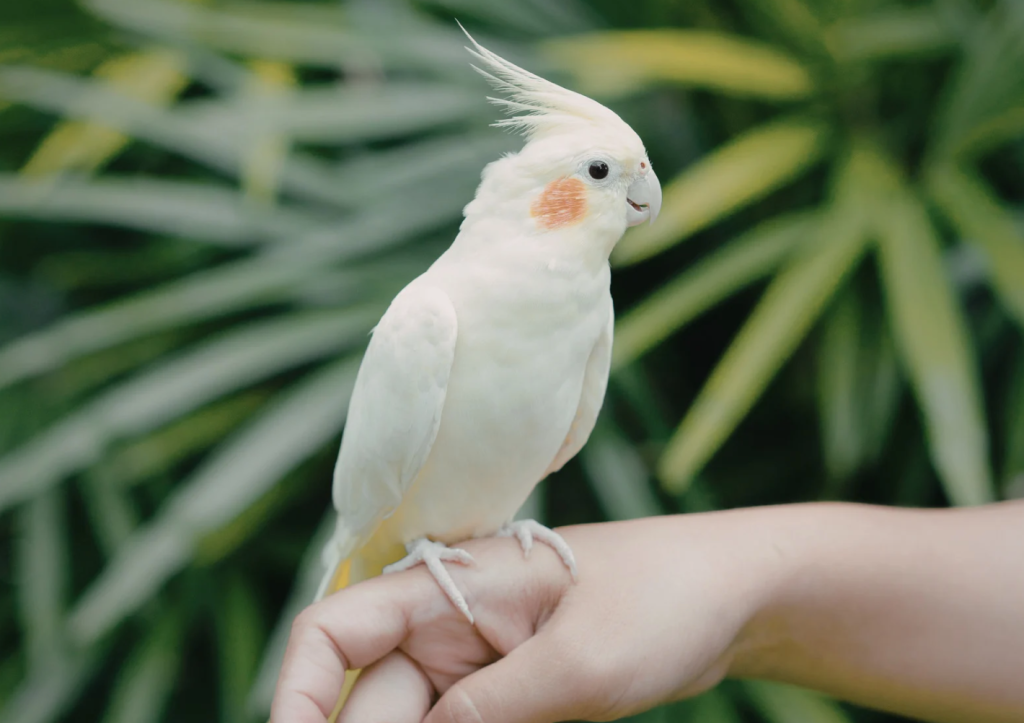
Parakeets, cockatiels, lovebirds, and finches are highly social. For these birds, companionship is not optional. Isolation often leads to depression or anxiety.
Parrots such as African greys, macaws, and conures form deep bonds. While they may bond strongly with humans, they still require significant interaction.
Some species tolerate solitude better than others. However, tolerance does not equal preference.
Pet birds need companions based on instinct, not convenience. Understanding your bird’s natural social structure is essential.
Can Humans Replace Bird Companions?
Many owners hope their presence alone is enough. In some cases, humans can meet a bird’s social needs partially.
Hand-raised parrots often bond intensely with humans. Daily interaction, training, and play can provide stimulation. However, humans cannot replicate bird-to-bird communication fully.
Humans sleep at night. Birds wake early. Humans leave for work. Birds remain alone. These gaps matter.
Pet birds need companions when human interaction is inconsistent. Even the most devoted owner cannot provide constant presence.
Therefore, human bonding works best when supplemented with environmental enrichment or another bird companion.
Signs Your Bird Is Lonely Without Companions
Loneliness rarely appears suddenly. Instead, subtle changes emerge first.
Excessive screaming often signals unmet social needs. Feather plucking may follow. Appetite changes can occur. Some birds become withdrawn. Others become overly clingy.
Repetitive behaviors, such as pacing or head bobbing, may appear. These behaviors self-soothe stress but indicate imbalance.
When pet birds need companions and do not have them, emotional health declines gradually. Recognizing early signs allows intervention before damage becomes severe.
Single Bird Households and Emotional Health
Single bird households can succeed under specific conditions. Time, structure, and enrichment must compensate for missing companionship.
Owners must interact daily. Training sessions, talking, and supervised out-of-cage time matter. Enrichment toys should rotate frequently.
Even then, limitations exist. Birds still experience long periods alone.
Pet birds need companions most when left unattended for extended hours. Long workdays increase risk of loneliness.
Single bird setups require honest self-assessment. Availability matters more than intention.
Benefits of Having Companion Birds
Introducing a companion bird can transform behavior. Many birds relax noticeably when another bird is present.
Companion birds preen each other. They vocalize together. They mirror behaviors naturally.
When pet birds need companions and receive them, stress decreases. Confidence increases. Destructive behaviors often reduce.
Companionship provides constant social feedback that humans cannot replicate. Birds feel understood at a species level.
However, companionship requires careful planning.
Challenges of Introducing Bird Companions
Adding a second bird is not always simple. Compatibility matters.
Different species may not bond well. Age, sex, and temperament influence success.
Quarantine is essential before introductions. Health risks must be managed carefully.
Slow introductions reduce territorial aggression. Separate cages initially help establish comfort.
Pet birds need companions, but forced companionship creates stress. Choice and gradual exposure matter.
Bonded Pairs Versus Group Housing
Some birds form lifelong pair bonds. Others thrive in small groups.
Lovebirds and cockatiels often bond strongly with one partner. Finches and canaries prefer group dynamics.
Understanding these preferences helps avoid mistakes.
Pet birds need companions in ways aligned with their natural social structure. Forcing group housing on pair-bonded species may cause conflict.
Housing should reflect instinctive behavior whenever possible.
How Cage Size Affects Social Happiness
Space influences social success. Cramped cages increase tension.
Multiple birds require more space to retreat. Perches, feeding stations, and toys should be duplicated.
Crowding removes choice. Choice supports harmony.
Pet birds need companions in environments that support coexistence rather than competition.
Adequate space prevents territorial disputes.
Enrichment as Partial Social Replacement
When companions are not possible, enrichment becomes essential.
Foraging toys stimulate problem-solving. Mirrors may provide limited comfort, though overuse can cause frustration.
Audio enrichment, such as bird sounds, may reduce silence but cannot replace interaction.
Pet birds need companions, yet enrichment helps bridge gaps temporarily.
Rotate toys frequently. Novelty maintains engagement.
Species That Struggle Most Without Companions
Certain birds suffer more acutely from isolation.
Budgies, cockatiels, finches, and doves often deteriorate without other birds.
Highly intelligent parrots may develop severe behavioral issues.
Pet birds need companions most urgently in these species. Ignoring that need risks long-term harm.
When a Companion Is Not Recommended
In rare cases, companionship may not be appropriate.
Birds with severe aggression or trauma may need professional guidance first.
Some elderly birds prefer routine over change.
Health concerns may limit introductions.
Pet birds need companions, but timing and individual history must guide decisions.
Observing Your Bird’s Individual Personality
No two birds are identical. Personality influences social preference.
Some birds seek constant interaction. Others enjoy quiet observation.
Monitor behavior closely. Changes indicate needs shifting.
Pet birds need companions when behavior suggests unmet social drives.
Listening matters more than assumptions.
Human-Bird Bonding Without Overdependence
Strong human bonds can become problematic if birds rely exclusively on people.
Separation anxiety may develop. Screaming when owners leave becomes common.
Encouraging independence through enrichment helps.
Pet birds need companions or balanced interaction to avoid unhealthy attachment patterns.
Balance creates resilience.
Time Commitment and Lifestyle Considerations
Lifestyle plays a significant role.
Busy households may unintentionally isolate birds.
Remote workers may provide more interaction.
Pet birds need companions when schedules limit availability.
Honest assessment prevents future regret.
Long-Term Emotional Health and Social Fulfillment
Birds live long lives. Social deprivation compounds over time.
Loneliness shortens lifespan. Stress weakens immunity.
Pet birds need companions for long-term emotional stability.
Providing that stability is part of responsible ownership.
Making the Best Choice for Your Bird
Choosing companionship is not about guilt. It is about understanding needs.
Research species behavior. Observe individual responses.
Pet birds need companions in many cases, but thoughtful planning ensures success.
When in doubt, consult avian behavior specialists.
Conclusion
Pet birds need companions far more often than many owners expect. Social interaction shapes emotional health, behavior, and overall wellbeing.
While humans can provide meaningful interaction, they cannot fully replace bird-to-bird companionship for many species. Understanding social instincts allows owners to create supportive environments.
Whether through another bird or enriched daily interaction, social fulfillment matters. When birds feel socially secure, they flourish.
A happy bird is not just fed and sheltered. A happy bird feels connected.
FAQ
1. Do all pet birds need companions to be happy?
Not all birds require companions, but many species benefit greatly from social interaction with other birds.
2. Can a single bird stay happy with enough human attention?
In some cases, yes. However, consistent daily interaction and enrichment are essential.
3. What birds suffer most from being alone?
Budgies, cockatiels, finches, and highly social parrots often struggle without companions.
4. Is it risky to introduce a second bird?
Introductions require planning, quarantine, and patience. When done correctly, risks are manageable.
5. How do I know if my bird wants a companion?
Signs include excessive vocalization, feather plucking, withdrawal, or clingy behavior.