
Small pet enrichment plays a vital role in keeping animals active and mentally engaged. Although rabbits, guinea pigs, hamsters, and ferrets often appear calm, their bodies are designed for regular movement. Without enrichment, activity fades gradually, even when food and shelter are provided.
In natural environments, small animals rarely remain still for long. They forage for food, explore new paths, dig burrows, and respond constantly to change. Movement supports survival. Captivity, however, removes danger while also removing purpose. As a result, boredom often replaces curiosity.
This is where enrichment becomes essential. Rather than forcing exercise, enrichment creates motivation. Curiosity encourages exploration, and exploration naturally leads to movement. Over time, confidence grows, muscles strengthen, and behavior becomes more balanced.
Why Small Pet Enrichment Encourages Activity
Movement rarely happens by chance. Instead, animals move when their environment invites them to do so. In the wild, that invitation comes from scent, sound, hunger, and discovery.
In captivity, those triggers are often missing. Food appears in the same place. Layouts rarely change. Consequently, activity levels drop.
Small pet enrichment restores these natural motivators. New textures encourage investigation. Meanwhile, scent variation sparks curiosity. Gentle challenges also inspire exploration. Because of this, movement increases without pressure or stress.
Even large enclosures feel dull without stimulation. In contrast, enriched environments promote activity regardless of size.
Physical Health Benefits of Small Pet Enrichment
Exercise supports nearly every body system. Muscles stay strong. Joints remain flexible. Circulation improves. Without movement, physical decline begins quietly.
For rabbits, hopping and sprinting maintain powerful hind legs and support digestion. Guinea pigs benefit from steady walking, which helps prevent obesity. Hamsters rely on climbing and running to support heart health.
Small pet enrichment creates these movements organically. For example, tunnels invite crawling. Platforms encourage climbing. Foraging toys inspire searching behavior.
As activity increases, digestion often improves. Energy levels rise gradually rather than suddenly. Over time, enriched pets tend to age more comfortably and recover faster from illness.
Mental Stimulation Through Enrichment
Physical movement and mental engagement are closely connected. A bored mind rarely drives an active body.
In natural habitats, small animals constantly assess their surroundings. Decisions are made. Simple problems are solved. Captive settings frequently remove these challenges.
Small pet enrichment reintroduces mental work safely. Puzzle feeders promote problem-solving. Rearranged layouts encourage investigation. New scents activate curiosity.
As mental stimulation increases, stress decreases. Consequently, movement becomes calmer and more confident.
Enrichment That Supports Natural Instincts
The most effective enrichment aligns with instinct. Each species moves differently, so enrichment should reflect natural behavior.
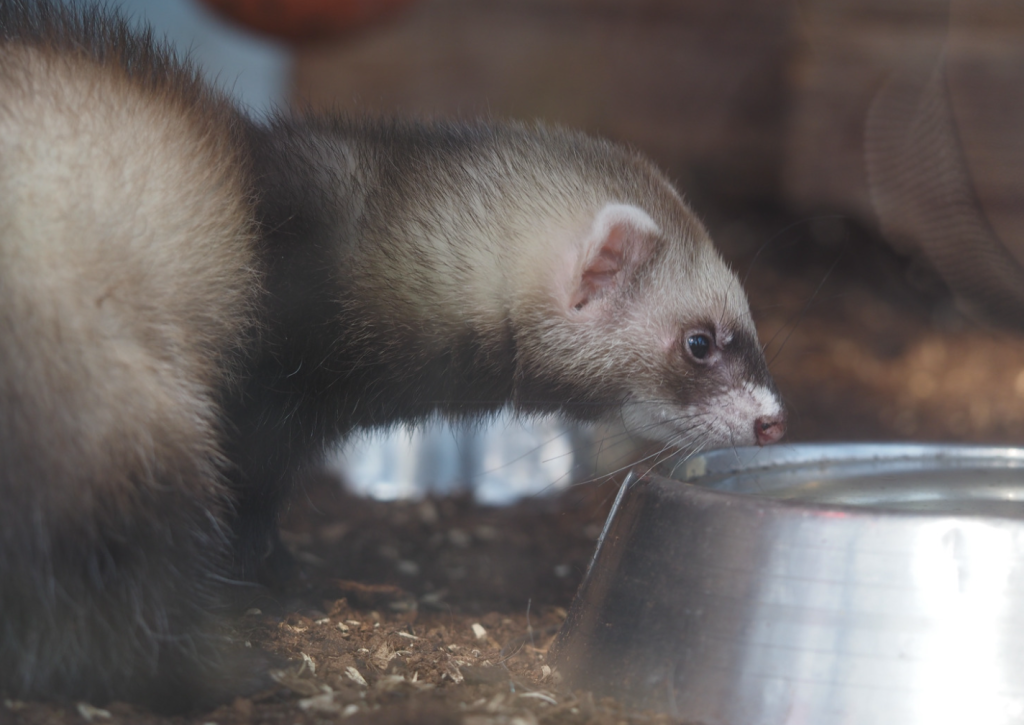
Rabbits chew, dig, and sprint. Guinea pigs explore and hide. Hamsters burrow and run. Ferrets chase and wrestle.
Small pet enrichment works best when it supports these instincts rather than suppressing them. Dig boxes satisfy burrowing urges. Chew toys protect dental health. Tunnels provide security while encouraging motion.
When enrichment mirrors instinct, activity feels rewarding instead of forced.
Layout-Based Enrichment That Promotes Movement
Enrichment does not always require toys. Sometimes, layout alone encourages activity.
Flat enclosures offer few reasons to explore. In contrast, layered environments invite movement between zones.
Platforms create elevation changes. Ramps introduce gentle challenge. Divided areas encourage roaming.
Small pet enrichment through layout works continuously. Even during quiet hours, the environment invites movement.
Occasional rearrangement adds novelty. Familiar objects suddenly feel new, which naturally sparks curiosity.
Foraging as Small Pet Enrichment
Feeding time is one of the strongest motivators for movement. In nature, food rarely appears without effort.
Foraging enrichment taps directly into instinct. Scatter feeding promotes searching. Hidden treats encourage investigation. Hanging vegetables require stretching.
For rabbits and guinea pigs, spreading hay and greens increases walking and sniffing. For hamsters, seed scattering supports digging behavior.
Small pet enrichment through foraging turns meals into activity sessions while reducing boredom-driven habits.
Tunnels, Hideouts, and Safe Paths
Tunnels provide safety while encouraging motion. Small animals feel more confident when they can move under cover.
Connecting tunnels between zones creates clear pathways. Hideouts placed strategically encourage travel between secure points.
Small pet enrichment using tunnels supports both physical and emotional wellbeing. As confidence grows, movement becomes more frequent.
Vertical and Climbing Enrichment
Vertical movement is often overlooked. However, gentle climbing benefits many small pets.
Platforms encourage stepping up and down. Ramps add variation without strain. Multi-level habitats expand usable space.
Small pet enrichment through vertical elements engages different muscle groups. Balance improves. Coordination strengthens.
For energetic species like ferrets, vertical challenges are essential. For rabbits, low platforms provide safe elevation.
Digging and Burrowing Opportunities
Digging satisfies powerful instincts. Without an outlet, frustration builds.
Dig boxes filled with safe materials encourage natural movement. Pushing and tunneling engage core muscles.
Small pet enrichment that includes digging reduces destructive behaviors and supports mental wellbeing.
Rotational Enrichment and Novelty
Novelty fuels curiosity. Curiosity, in turn, fuels movement.
Using the same enrichment continuously reduces engagement. Rotating items keeps interest high.
Small pet enrichment works best when toys cycle regularly. Items removed briefly often feel new again later.
Interactive Enrichment and Bonding
Human interaction can enhance enrichment. Gentle play builds trust while encouraging activity.
For ferrets, interactive games promote chasing and wrestling. For rabbits, guided exploration supports confidence.
Small pet enrichment through interaction strengthens bonds. However, participation must always remain voluntary.
Free-Roam as Enrichment
Free-roam time offers unmatched stimulation. New textures, scents, and spaces invite exploration.
Pet-proofed rooms ensure safety. Rugs improve traction. Tunnels create secure routes.
Small pet enrichment during free-roam supports movement patterns cages cannot replicate.
Common Enrichment Mistakes to Avoid
Not all enrichment helps. Some mistakes reduce activity.
Overcrowding increases stress. Too many toys overwhelm interest. Unsafe materials introduce risk.
Ignoring species-specific needs limits success. What excites one pet may bore another.
Conclusion
Small pets thrive on curiosity, movement, and choice. Without enrichment, those needs quietly fade.
Small pet enrichment creates reasons to explore, dig, climb, and search. Activity becomes natural instead of forced.
By designing environments that invite engagement, owners support both physical and mental health.
When enrichment remains consistent, small pets stay active, confident, and fulfilled.
FAQ
1. What is small pet enrichment?
Small pet enrichment includes activities and environmental features that encourage natural movement and mental engagement.
2. How often should enrichment be changed?
Rotating enrichment weekly helps maintain interest without causing stress.
3. Is enrichment needed if my pet has a large enclosure?
Yes. Space alone does not replace stimulation or engagement.
4. Can enrichment reduce behavior problems?
Yes, enrichment often reduces boredom-related behaviors.
5. Is free-roam time considered enrichment?
Yes. Supervised free-roam provides excellent physical and mental stimulation.