
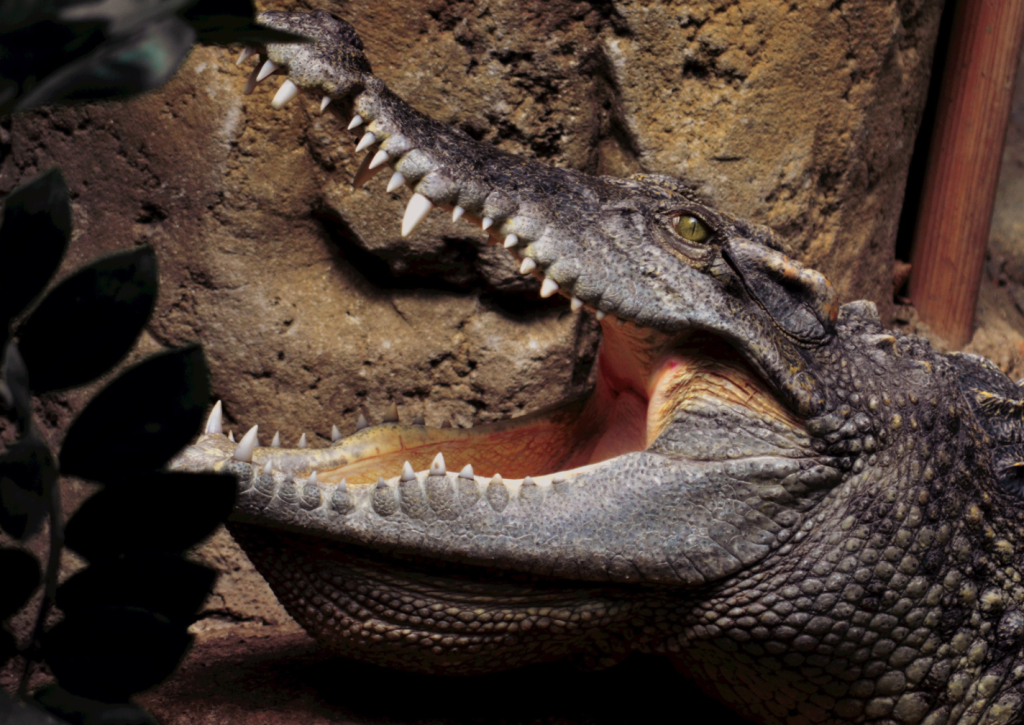

Reptiles are often described as calm, quiet, and inactive. At first glance, that description seems accurate. Many species bask for hours, remain still for long periods, and move only when necessary. However, this surface-level behavior hides a deeper truth. Reptile enclosure movement is essential for health, longevity, and natural behavior.
In the wild, reptiles move more than most people realize. They climb branches, dig burrows, patrol territory, and search for food. Although these movements may be brief, they occur throughout the day. Captivity often removes the need to move, not the desire.
As a result, enclosure design becomes critical. A well-designed habitat invites motion without stress. A poorly designed one quietly suppresses it. Over time, that difference shows up in muscle tone, digestion, behavior, and overall vitality.
Think of your reptile’s enclosure as a gym disguised as a home. If the space encourages movement naturally, exercise happens without force. If the environment feels flat and limiting, activity fades away.
Understanding reptile enclosure movement begins with recognizing that stillness does not always equal comfort.
Why Reptile Enclosure Movement Matters
Movement supports every major system in a reptile’s body. Muscles stay strong. Joints remain flexible. Bones maintain density. Without regular motion, physical decline often follows.
Digestion also relies on activity. Many reptiles need movement to help food pass efficiently through the digestive tract. When activity drops, constipation and impaction risks rise.
Additionally, circulation improves when muscles engage. Better blood flow means improved oxygen delivery. As a result, energy levels increase and immune response strengthens.
Reptile enclosure movement also supports mental health. Exploration reduces boredom. Choice builds confidence. A reptile that can move freely feels more in control of its environment.
When movement is restricted, stress quietly increases. Over time, that stress shows up as lethargy, repetitive behaviors, or appetite changes.
Natural Movement Patterns in Reptiles
Different reptiles move in different ways. Understanding those patterns is essential for proper enclosure design.
Arboreal species climb, perch, and travel vertically. Terrestrial reptiles roam, patrol, and bask across wide areas. Burrowing species dig tunnels and push through substrate. Aquatic reptiles swim continuously and change depth frequently.
Reptile enclosure movement should mirror these natural behaviors as closely as possible. When habitats match instinctive motion, activity feels effortless rather than forced.
For example, a climbing reptile in a flat enclosure becomes inactive. In contrast, that same reptile in a vertical setup explores constantly.
Movement is not random. It follows evolutionary design. Enclosures must respect that design to support healthy behavior.
Enclosure Size and Its Impact on Movement
Space sets the limits of motion. Even the best enrichment fails if the enclosure is too small.
Larger enclosures allow reptiles to build momentum. Walking becomes purposeful. Climbing feels natural. Turning around does not feel restrictive.
Length supports roaming. Height encourages climbing. Depth enables digging. Each dimension contributes differently to reptile enclosure movement.
Small enclosures often create invisible barriers. Reptiles may stop moving simply because there is nowhere meaningful to go. Over time, muscles weaken and curiosity fades.
While bigger enclosures require more planning, they almost always produce better outcomes. Space gives movement room to exist.
Layout Design That Encourages Exploration
Size alone is not enough. Layout determines how space is used.
Flat, empty enclosures discourage activity. In contrast, layered environments invite exploration. Levels, pathways, and transitions create reasons to move.
Branches, rocks, ledges, and platforms form routes. Reptiles naturally follow these routes, much like trails in the wild.
Reptile enclosure movement improves when obstacles feel safe and stable. Wobbly structures create fear. Fear suppresses motion faster than anything else.
Visual barriers also matter. Partial cover allows reptiles to move without feeling exposed. Confidence grows when hiding options exist along movement paths.
Occasional layout changes can spark curiosity. New routes encourage investigation without causing stress.
Vertical Space and Climbing Opportunities
Vertical movement is often overlooked. Many enclosures focus on floor space while ignoring height.
Arboreal reptiles need vertical challenges. Climbing strengthens muscles that flat surfaces never engage. Without height, these reptiles lose strength and coordination.
Even semi-arboreal species benefit from vertical elements. Gentle slopes, angled branches, and elevated platforms add variety to movement.
Reptile enclosure movement increases when climbing options feel natural rather than forced. Gradual angles support confidence. Multiple anchor points prevent hesitation.
Height also creates temperature variation. Reptiles move vertically to regulate body heat, which naturally increases activity.
Substrate Choices That Support Natural Motion
The ground beneath a reptile matters more than most people think. Substrate affects how reptiles walk, dig, and rest.
Smooth surfaces limit grip. Loose substrates allow digging but require stability. The right balance supports confident movement.
Burrowing species need depth. Shallow substrates prevent natural behavior and reduce activity. Digging engages core muscles and reduces stress.
For terrestrial reptiles, varied textures stimulate movement. Walking across different surfaces activates muscles differently, much like uneven ground in nature.
Reptile enclosure movement improves when the substrate invites interaction rather than discourages it.
Temperature Gradients and Movement
Reptiles rely on temperature to regulate energy. Without gradients, movement declines.
A proper enclosure includes warm basking areas and cooler zones. Reptiles naturally travel between these zones throughout the day.
This movement supports digestion, circulation, and muscle health. Without gradients, reptiles may remain still to conserve energy.
Reptile enclosure movement increases when temperatures invite choice. Choice creates motion without stress.
Lighting also influences activity. Proper UVB exposure supports bone strength and energy levels. Without it, movement may decrease due to weakness.
Lighting and Visual Stimulation
Lighting does more than illuminate the enclosure. It sets rhythm, mood, and spatial awareness.
Gradual lighting transitions prevent startling. Sudden changes cause reptiles to freeze or hide. Calm lighting encourages exploration.
Shadows create depth. Depth creates curiosity. Curiosity leads to movement.
Reptile enclosure movement benefits from lighting that highlights pathways and platforms without creating harsh exposure.
When lighting feels natural, reptiles behave naturally.
Enrichment That Promotes Movement
Enrichment should invite motion, not force it. The goal is voluntary activity.
Feeding enrichment works especially well. Instead of placing food in one spot, spread it throughout the enclosure. Searching encourages movement.
Live prey simulation, scent trails, and puzzle feeders engage both mind and body.
Reptile enclosure movement increases when daily routines involve small challenges. These challenges mimic wild behavior without stress.
Over time, enrichment builds confidence. Confident reptiles move more freely.
Balancing Safety With Activity
Safety always comes first. Movement should never introduce unnecessary risk.
Structures must be secure. Edges should be smooth. Heights should allow safe descent.
Monitor humidity and temperature closely. Dehydration and overheating reduce the benefits of movement.
Gradual changes work best. Sudden additions can cause stress. Let reptiles adjust at their own pace.
A safe enclosure builds trust. Trust fuels exploration.
Behavioral Signs of Healthy Movement
Healthy reptile enclosure movement looks natural. Reptiles explore calmly, rest confidently, and move without hesitation.
Signs of healthy activity include steady walking, purposeful climbing, and regular zone changes.
In contrast, pacing, constant glass surfing, or total inactivity suggest imbalance.
Observing movement patterns reveals more than any single behavior. Consistency matters more than speed.
Common Mistakes That Limit Movement
Overcrowding reduces activity. Too many animals create stress and territorial conflict.
Minimal décor limits exploration. Empty space without structure feels unsafe.
Overhandling can suppress movement. Stress replaces curiosity.
Ignoring species-specific needs often leads to inactivity. What works for one reptile may fail another.
Avoiding these mistakes supports long-term reptile enclosure movement.
Long-Term Benefits of Supporting Natural Movement
Consistent movement improves physical health. Muscles stay toned. Joints remain flexible. Digestion improves.
Mental health also benefits. Boredom decreases. Confidence grows. Stress-related behaviors fade.
Reptiles become more engaging to observe. Natural behaviors emerge. The enclosure feels alive.
Reptile enclosure movement transforms care from basic maintenance into true husbandry.
Conclusion
Reptile enclosures are more than containers. They are living environments that shape behavior, health, and longevity.
Reptile enclosure movement plays a central role in physical strength, mental stimulation, and natural behavior. Without it, even well-fed reptiles can decline quietly.
By designing habitats that encourage climbing, roaming, digging, and exploration, movement becomes effortless. Activity follows naturally.
When reptiles move with confidence and purpose, their health reflects it. A thoughtful enclosure does not force motion. Instead, it invites it.
FAQ
1. Why is reptile enclosure movement important?
Movement supports muscle strength, digestion, circulation, and mental health.
2. Does enclosure size affect movement?
Yes, larger enclosures allow more natural and confident movement.
3. How can I increase movement without stressing my reptile?
Add safe enrichment, improve layout complexity, and provide proper temperature gradients.
4. Do all reptiles need climbing opportunities?
Not all species climb, but most benefit from varied terrain that encourages movement.
5. Can poor enclosure design cause health problems?
Yes, limited movement can contribute to obesity, digestive issues, and behavioral stress.