
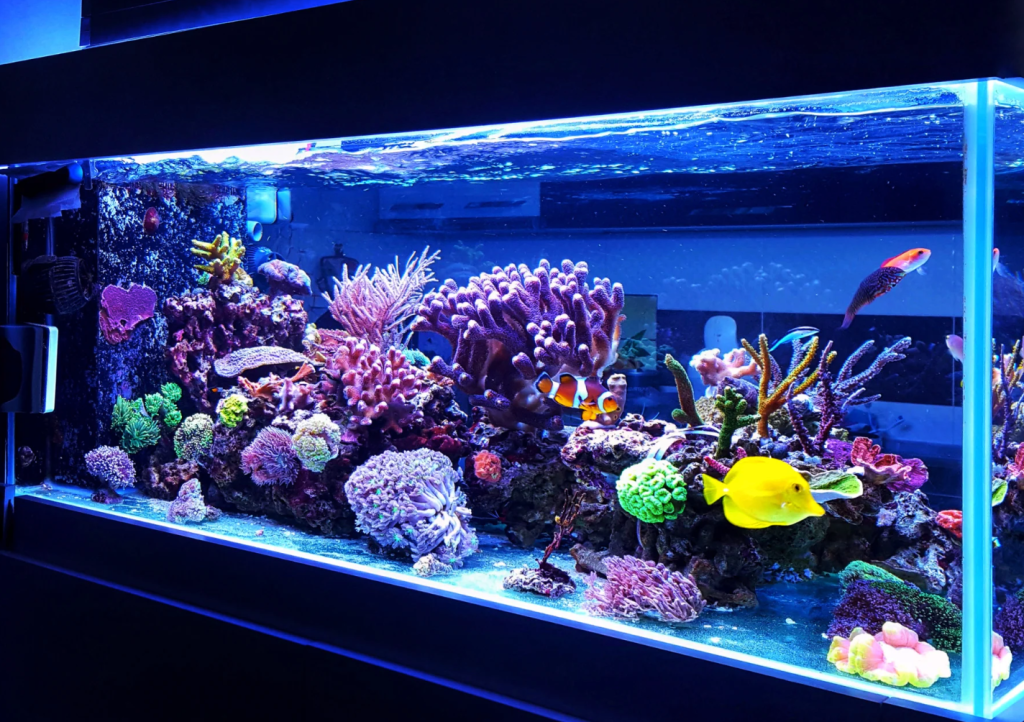

An aquarium should feel alive, not static. If your fish spend most of their time hovering, hiding, or drifting aimlessly, something is missing. An active fish aquarium setup changes everything. It transforms a glass box into a dynamic ecosystem where fish swim with purpose, explore their surroundings, and display natural behaviors.
Fish activity is not just entertaining to watch. It is one of the clearest indicators of health, comfort, and environmental balance. When a tank is designed correctly, movement becomes effortless. Fish glide through open water, dart between structures, and interact with their environment in ways that feel instinctive rather than forced.
Think of your aquarium like a neighborhood. If the streets are dull and empty, no one wants to go outside. Add parks, pathways, lighting, and safe spaces, and suddenly the place comes alive. The same logic applies to an active fish aquarium setup. Every design choice influences energy levels, curiosity, and confidence.
Let’s break down how to build an aquarium that naturally encourages activity without stressing your fish or overcomplicating the process.
Why Activity Matters in a Fish Aquarium
Active fish are healthy fish. Movement supports muscle development, improves digestion, and reduces stress. More importantly, activity reflects whether fish feel safe enough to explore their environment.
In poorly designed tanks, fish often appear lethargic. Sometimes they hide constantly. In other cases, they hover near the surface or cling to corners. These behaviors are rarely random. They are responses to boredom, fear, or unsuitable conditions.
An active fish aquarium setup encourages swimming patterns that mimic nature. Fish move vertically, horizontally, and diagonally. They explore layers of the tank rather than sticking to one zone. As a result, their colors often become brighter, and feeding responses improve.
Additionally, active aquariums tend to stay cleaner. Moving fish disturb debris before it settles. Water circulation improves. Algae struggles to dominate when light, flow, and life are balanced.
Choosing the Right Tank Size for Active Fish
Tank size sets the foundation for activity. Even the most creative layout fails if fish do not have room to move. While small tanks can look appealing, they often restrict natural swimming behavior.
An active fish aquarium setup benefits from horizontal space. Longer tanks allow fish to build momentum and establish routes. Vertical height also matters, especially for species that move between water levels.
As a general rule, bigger tanks create calmer fish. Extra space reduces territorial stress and allows multiple activity zones. Fish feel less threatened and more willing to explore.
Stocking choices must match tank dimensions. Fast swimmers need length. Shoaling fish need width. Bottom dwellers need floor space. When size aligns with species needs, activity increases without forcing it.
Aquascaping for Movement and Exploration
Aquascaping is not just about aesthetics. It is about guiding motion. In an active fish aquarium setup, decorations should invite exploration rather than block it.
Avoid cluttering the center of the tank. Instead, create open swimming lanes with structures positioned along the sides or back. This design mimics riverbanks and reef edges found in nature.
Rocks, driftwood, and plants should form gentle pathways. Fish naturally follow curves, arches, and gaps. Sharp angles and dead ends discourage movement and create stress zones.
Layering is essential. Low plants create grazing areas. Mid-height structures offer shelter. Tall elements break the surface visually and encourage vertical swimming. When layers work together, fish move fluidly between them.
Using Live Plants to Boost Fish Activity
Live plants are one of the most powerful tools in an active fish aquarium setup. They soften the environment, improve water quality, and provide interactive spaces.
Fish use plants as landmarks. They swim around leaves, dart through stems, and rest among foliage. Unlike artificial décor, live plants respond to movement, creating subtle visual feedback that keeps fish engaged.
Fast-growing plants increase oxygen during the day. Higher oxygen levels often result in more energetic swimming. Additionally, plants reduce stress hormones by blocking harsh light and providing natural cover.
Choose a mix of plant types. Carpeting plants encourage bottom exploration. Stem plants create movement corridors. Floating plants introduce shade and surface activity. Together, they create a living playground.
Water Flow That Encourages Natural Swimming
Water flow is often overlooked, yet it plays a massive role in fish behavior. In nature, fish are rarely stationary. Currents guide movement and stimulate instinctive swimming patterns.
An active fish aquarium setup uses gentle, consistent flow rather than harsh turbulence. Filters and powerheads should create circulation loops instead of chaotic blasts.
Position outlets to push water along the length of the tank. Fish often swim into the current, then drift back. This back-and-forth motion keeps them active without exhaustion.
Different species prefer different flow levels. River fish thrive in stronger currents. Still-water species prefer calmer zones. Creating flow variation allows fish to choose where they feel most comfortable.
Lighting That Inspires Exploration
Lighting does more than illuminate the tank. It sets mood, establishes daily rhythms, and influences movement. Poor lighting can cause fish to hide or become inactive.
An active fish aquarium setup uses gradual lighting transitions. Sudden brightness startles fish and encourages hiding. Dimmable lights or ramp-up features help fish adjust naturally.
Light intensity should match plant and fish needs. Overly bright tanks feel exposed. Underlit tanks feel dull. Balanced lighting encourages fish to explore without fear.
Consider light placement as well. Front-heavy lighting draws fish forward. Backlighting adds depth and encourages movement across the tank. Subtle shadows create intrigue rather than anxiety.
Creating Zones for Different Behaviors
Fish are not meant to behave the same way all the time. They need areas for rest, feeding, play, and retreat. Zoning supports natural behavior cycles.
In an active fish aquarium setup, zones flow into each other. Open water allows cruising. Structured areas invite exploration. Quiet corners provide rest.
Feeding zones encourage anticipation and excitement. Rest zones reduce stress after meals. Exploration zones keep fish mentally stimulated throughout the day.
When zones are balanced, fish move between them naturally. This movement creates constant, gentle activity without signs of panic or fatigue.
Tank Mates That Promote Activity Without Stress
Fish behavior changes dramatically based on tank mates. Some combinations increase confidence and movement. Others suppress activity entirely.
Active schooling fish often encourage shyer species to explore. Their presence signals safety. However, overly aggressive fish can shut down movement through intimidation.
An active fish aquarium setup benefits from compatible energy levels. Mixing fast swimmers with slow, timid fish usually fails. Balanced communities create synchronized movement patterns.
Research social structures carefully. Some fish become active only in groups. Others need personal space. When social needs are met, activity rises naturally.
Feeding Strategies That Encourage Motion
Feeding time is a prime opportunity to stimulate activity. How and where food is delivered matters more than most aquarists realize.
Instead of dropping food in one spot, spread it across the tank. This approach encourages searching behavior. Fish swim more and interact with their environment.
Use sinking, floating, and slow-falling foods. Different textures activate different zones. Bottom feeders become active. Mid-water fish chase. Surface fish patrol.
In an active fish aquarium setup, feeding becomes enrichment rather than routine. Fish stay alert, responsive, and engaged long after meals end.
Reducing Stress to Unlock Natural Energy
Stress is the enemy of activity. Even beautiful tanks fail if fish feel threatened. Noise, vibrations, sudden movements, and poor water quality all suppress behavior.
Place the aquarium in a calm area. Avoid heavy foot traffic and loud speakers. Stability creates confidence.
Consistent maintenance also matters. Clean water supports oxygen levels and metabolic health. When fish feel physically well, activity follows.
An active fish aquarium setup does not force movement. It removes barriers. Once stress disappears, energy returns on its own.
Monitoring and Adjusting Over Time
Aquariums evolve. Plants grow. Fish mature. Behavior changes. Observation is key to maintaining activity long-term.
Watch how fish use space. Are some areas ignored? Are others overcrowded? Small adjustments often produce big results.
Rearranging décor occasionally can spark curiosity. Fish investigate changes like explorers in a familiar land. This gentle novelty boosts engagement.
An active fish aquarium setup is never static. It adapts alongside its inhabitants.
Conclusion
An aquarium should feel like a living system, not a display case. When designed thoughtfully, movement becomes effortless and constant. Fish swim with purpose. Colors deepen. Behavior feels natural.
An active fish aquarium setup is not about forcing activity. It is about creating conditions where activity feels safe and rewarding. Space, flow, plants, lighting, and companionship work together to unlock natural energy.
When fish are active, the entire tank comes alive. And when the tank feels alive, watching it becomes endlessly rewarding.
FAQ
1. What makes fish more active in an aquarium?
Fish become more active when they have space, proper water flow, compatible tank mates, and an engaging environment with plants and structure.
2. Do live plants really increase fish activity?
Yes, live plants improve oxygen levels, reduce stress, and create interactive spaces that encourage exploration and movement.
3. Can lighting affect fish behavior?
Lighting strongly influences activity. Gradual transitions and balanced intensity help fish feel safe enough to explore.
4. Is water flow important for an active fish aquarium setup?
Proper flow mimics natural currents and encourages instinctive swimming without causing stress or exhaustion.
5. How often should I adjust my aquarium layout?
Occasional changes, done gently, can stimulate curiosity and prevent boredom without disrupting fish comfort.