
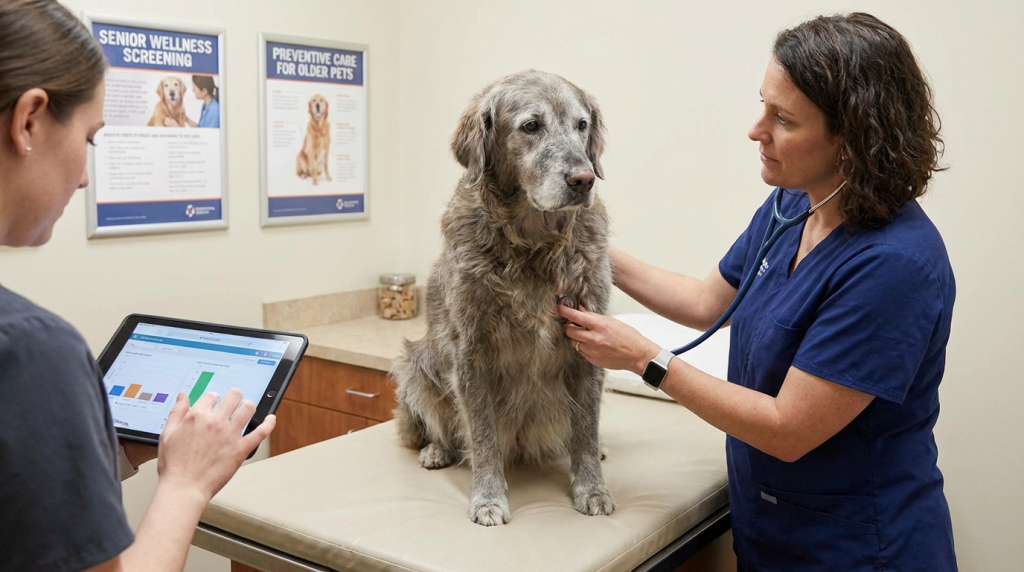

Preventive health tests senior dogs need become more important with every passing year. Aging changes a dog’s body quietly. Organs slow down. Joints stiffen. Immune defenses weaken. While your dog may still wag, play, and eat happily, hidden problems can already be developing.
Think of aging like rust under fresh paint. Everything looks fine on the surface. Yet underneath, wear slowly builds. Preventive health tests for senior dogs allow veterinarians to spot those changes before they turn into painful or costly crises.
Many owners wait for symptoms. Unfortunately, dogs are experts at masking discomfort. By the time signs appear, disease may already be advanced. Early testing shifts care from reaction to prevention.
This guide walks through the most important preventive health tests senior dogs benefit from, why they matter, and how often they should be done. With the right screenings, aging does not have to mean suffering.
Why preventive health tests for senior dogs matter
Preventive health tests senior dogs receive act like an early warning system. Instead of guessing, these tests reveal what is happening inside the body. That clarity changes outcomes.
As dogs age, their risk for chronic disease rises sharply. Kidney disease, heart conditions, diabetes, arthritis, and cancer become more common. Many of these illnesses progress silently for months or years.
Routine testing allows veterinarians to establish baselines. When values shift slightly, intervention can begin early. Often, simple diet changes or medications slow progression dramatically.
Additionally, early detection reduces stress. Treating advanced illness is emotionally draining for owners and uncomfortable for dogs. Preventive care avoids many emergencies altogether.
Ultimately, preventive health tests for senior dogs extend both lifespan and quality of life. They help dogs stay active, comfortable, and engaged longer.
When a dog is considered a senior
Understanding when preventive health tests senior dogs need should begin requires knowing what “senior” means. Age classification varies by size and breed.
Small dogs often enter senior years around age eight to ten. Medium dogs typically reach senior status around seven to nine. Large and giant breeds age faster and may be considered seniors as early as five or six.
These differences exist because larger dogs experience more strain on organs and joints. Metabolism and cellular aging occur faster.
Veterinarians usually recommend senior wellness testing once a dog reaches this stage, regardless of how healthy they appear.
Waiting for visible aging signs is risky. Internally, changes often begin much earlier.
Comprehensive physical exams as a foundation
Before discussing specific preventive health tests senior dogs need, it is important to mention the physical exam. This exam anchors all other testing.
During a senior exam, veterinarians assess weight, muscle tone, joint flexibility, heart sounds, lung clarity, and abdominal comfort. Skin, coat, eyes, ears, and teeth are also examined closely.
Subtle findings often guide further testing. A mild heart murmur may prompt imaging. Slight weight loss may lead to bloodwork.
Physical exams also reveal behavioral changes. Owners may mention increased thirst, altered sleep, or reduced stamina.
While basic, the physical exam sets the stage. It ensures diagnostic tests are targeted and meaningful.
Blood chemistry panels for senior dogs
Blood chemistry panels are among the most essential preventive health tests senior dogs require. These panels evaluate organ function and metabolic health.
Key markers include kidney values, liver enzymes, blood glucose, electrolytes, and protein levels. Changes here often appear long before symptoms.
Kidney disease is especially common in older dogs. Early detection allows dietary management that slows decline significantly.
Liver disease may also be uncovered early. Many liver issues respond well when caught before advanced damage occurs.
Blood glucose screening helps identify diabetes. Early treatment prevents complications such as cataracts and nerve damage.
Because blood chemistry panels provide broad insight, they are typically recommended annually, sometimes semiannually for aging dogs.
Complete blood count and immune health
A complete blood count, or CBC, is another critical component of preventive health tests senior dogs benefit from.
The CBC evaluates red blood cells, white blood cells, and platelets. These values reflect oxygen transport, immune response, and clotting ability.
Anemia, common in seniors, may indicate chronic disease, bleeding, or bone marrow issues. Early identification improves outcomes.
White blood cell abnormalities may signal infection, inflammation, or immune disorders. Sometimes cancer is detected through these changes.
Platelet counts help assess bleeding risk. Low platelets increase surgical and injury risks.
Together with chemistry panels, CBCs provide a full picture of internal health.
Urinalysis and kidney monitoring
Urinalysis plays a crucial role in preventive health tests senior dogs need, especially for kidney health.
Kidney disease often develops silently. Urine changes appear before blood values rise, making urinalysis a powerful early tool.
This test evaluates concentration, protein levels, glucose, and sediment. Abnormalities may indicate kidney disease, urinary infections, or diabetes.
Protein in urine is particularly important. Persistent protein loss damages kidneys over time if untreated.
Urinalysis also helps confirm findings from bloodwork. When used together, accuracy improves significantly.
Annual urinalysis is strongly recommended for senior dogs, even those without symptoms.
Blood pressure testing for aging dogs
Blood pressure testing is often overlooked, yet it is one of the most valuable preventive health tests senior dogs should receive.
High blood pressure, or hypertension, damages organs quietly. Eyes, kidneys, heart, and brain are especially vulnerable.
In dogs, hypertension often develops secondary to kidney disease or endocrine disorders. Without testing, it goes unnoticed.
Symptoms appear late and may include blindness, seizures, or sudden collapse. By then, damage is often irreversible.
Blood pressure testing is quick and noninvasive. When high readings are found early, medication protects vital organs.
Including this test yearly significantly improves senior dog care.
Thyroid testing and metabolic balance
Thyroid testing is another important preventive health test senior dogs benefit from, particularly in middle-aged and older dogs.
Hypothyroidism is common and often misinterpreted as normal aging. Weight gain, lethargy, hair loss, and skin issues are typical signs.
Blood tests measure thyroid hormone levels and confirm diagnosis. Treatment is straightforward and highly effective.
When untreated, hypothyroidism contributes to heart disease and worsens joint pain.
Because symptoms overlap with aging, testing prevents misdiagnosis and unnecessary suffering.
For many dogs, thyroid testing becomes part of routine senior screening.
Dental exams and oral health assessments
Dental disease is nearly universal in senior dogs. Yet it is often underestimated when discussing preventive health tests senior dogs need.
Oral infections spread bacteria into the bloodstream. This stresses the heart, kidneys, and liver.
Veterinary dental exams assess gum health, tooth stability, and oral masses. X-rays may be recommended for deeper evaluation.
Early dental intervention reduces pain leading to improved appetite and energy.
Chronic dental disease contributes to systemic illness. Addressing it early supports overall health.
Annual dental assessments are strongly advised for aging dogs.
Cancer screening and early detection
Cancer risk rises sharply with age. Therefore, cancer screening forms a growing part of preventive health tests senior dogs require.
Blood tests alone cannot detect all cancers. However, trends such as unexplained anemia or elevated calcium raise suspicion.
Physical exams help detect lumps, masses, or lymph node enlargement. Fine needle aspiration may follow.
Imaging such as X-rays or ultrasounds is sometimes recommended for high-risk breeds or suspicious findings.
Early detection often expands treatment options. Surgery is more effective when tumors are small.
While cancer screening varies by individual risk, awareness remains critical.
Heart health testing and monitoring
Heart disease is common in senior dogs, especially small breeds. Preventive health tests senior dogs receive often include heart screening.
Auscultation detects murmurs or rhythm abnormalities. When changes are noted, further testing follows.
Chest X-rays evaluate heart size and lung condition. Echocardiograms assess valve and muscle function.
Early-stage heart disease may be managed with lifestyle adjustments or medication. Advanced disease limits options.
Routine monitoring allows gradual, controlled care rather than emergency intervention.
Heart testing becomes more important with age, breed, and symptoms.
Joint and mobility evaluations
While not a lab test, joint assessment remains essential among preventive health tests senior dogs need.
Arthritis affects most aging dogs. Pain often goes unnoticed because dogs adapt quietly.
Veterinarians assess range of motion, muscle symmetry, and gait. Early stiffness signals developing arthritis.
Imaging such as X-rays confirms joint degeneration. Early treatment slows progression.
Weight management, supplements, and medications work best when started early.
Mobility testing supports comfort and independence in senior dogs.
Vision and eye health screening
Vision changes occur gradually in aging dogs. Preventive health tests senior dogs receive should include eye evaluation.
Cataracts, glaucoma, and retinal disease increase with age. Some conditions cause pain before vision loss.
Eye exams assess clarity, pressure, and reflexes. Subtle changes often guide treatment.
Early intervention preserves comfort and sometimes vision.
Because dogs rely heavily on vision for confidence, eye health impacts behavior and quality of life.
Hearing assessments and neurological health
Hearing loss is common but rarely discussed among preventive health tests senior dogs need.
Veterinarians assess response to sound and neurological reflexes. Sudden hearing loss may indicate infection or neurological disease.
Neurological screening also evaluates coordination, reflexes, and awareness.
Early detection of neurological changes helps distinguish aging from disease.
When addressed early, supportive care improves safety and comfort.
Weight and body condition monitoring
Weight tracking may seem simple, yet it remains one of the most effective preventive health tools.
Gradual weight loss may indicate cancer, kidney disease, or dental pain. Weight gain worsens arthritis and diabetes risk.
Body condition scoring helps differentiate fat from muscle loss.
Routine monitoring guides dietary adjustments and testing decisions.
How often senior dogs need preventive testing
Preventive health tests senior dogs need are usually recommended annually. However, frequency may increase with age or illness.
Some dogs benefit from testing every six months, especially those with chronic conditions.
Veterinarians tailor schedules based on breed, lifestyle, and prior results.
Consistency matters more than perfection. Regular testing builds trend data.
These trends allow proactive care rather than reactive treatment.
The emotional benefits of preventive testing
Beyond physical health, preventive health tests senior dogs receive offer emotional benefits.
Owners gain peace of mind. Decisions feel informed rather than rushed.
Dogs experience fewer emergencies and less invasive treatment.
Preventive care strengthens the human-animal bond. Trust grows when comfort is preserved.
Quality of life improves when suffering is minimized.
In many ways, prevention protects everyone involved.
Conclusion
Preventive health tests senior dogs need are not about prolonging life at any cost. They are about preserving comfort, dignity, and joy. Aging is inevitable, yet suffering is not. Through routine screenings, early detection, and proactive care, senior dogs can enjoy their golden years with vitality and ease. When prevention becomes routine, love becomes protection.
FAQ
- At what age should preventive health tests begin for dogs?
Most dogs benefit from senior testing once they reach seven years old, earlier for large breeds. - Are preventive health tests painful for senior dogs?
Most tests are minimally invasive and well tolerated with proper handling. - How much do senior dog health tests usually cost?
Costs vary, but preventive testing is often far less expensive than treating advanced disease. - Can preventive testing really extend a dog’s life?
Yes, early detection allows treatment that slows disease and improves quality of life. - What if my senior dog seems perfectly healthy?
Many illnesses develop silently, making preventive testing valuable even without symptoms.