
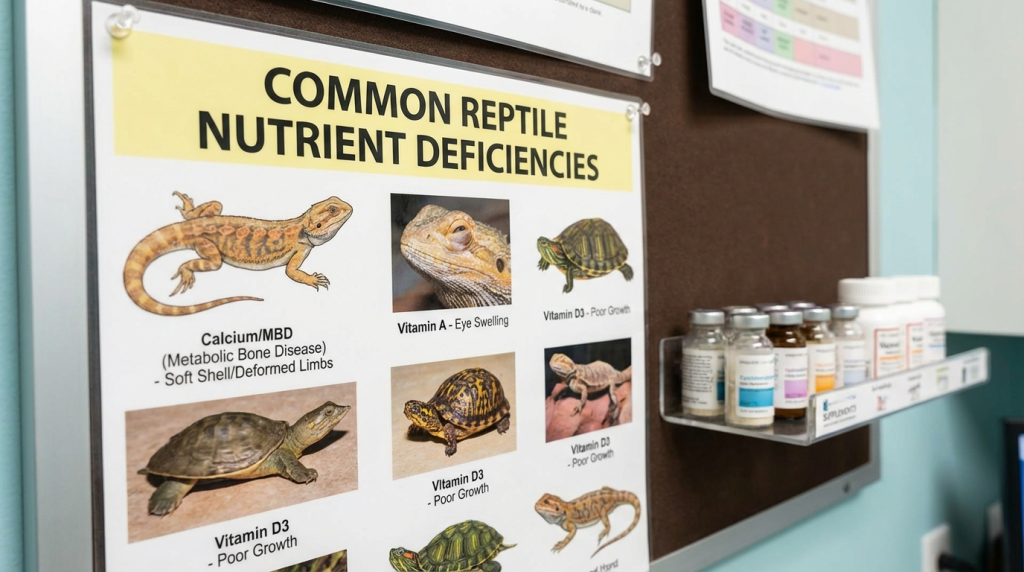

Preventing reptile nutrient deficiencies is one of the most important responsibilities of reptile ownership. Unlike dogs or cats, reptiles depend entirely on their environment and diet for proper nutrition. When even one element is missing, the effects can be serious. Over time, small imbalances can quietly turn into major health problems.
Many reptile illnesses do not appear overnight. Instead, they build slowly, much like a crack forming in a foundation. By the time symptoms show, damage may already be advanced. That is why preventing reptile nutrient deficiencies should always be a priority, not an afterthought.
Fortunately, with the right knowledge, these issues are largely avoidable. Diet, lighting, supplementation, and observation all play a role. When these elements work together, reptiles thrive rather than merely survive.
This guide walks you through everything you need to know. Each section builds on the last, creating a clear picture of how to support your reptile’s nutritional health for years to come.
Why preventing reptile nutrient deficiencies matters
Preventing reptile nutrient deficiencies goes beyond avoiding illness. Nutrition influences growth, immune strength, behavior, and even temperament. A well-nourished reptile is more active, alert, and resilient.
In contrast, nutrient-deficient reptiles often show subtle early signs. Appetite may decrease. Movement can become sluggish. Colors may dull. At first, these changes are easy to miss. Over time, however, the consequences grow harder to ignore.
Moreover, reptiles cannot self-regulate nutrition like mammals. In the wild, they instinctively seek varied prey, sunlight, and minerals. In captivity, those choices are removed. Owners must recreate them deliberately.
Another important factor involves longevity. Many reptiles live decades. Preventing reptile nutrient deficiencies early helps avoid chronic conditions that shorten lifespan. In other words, good nutrition is an investment in the future.
Because of this, every feeding and habitat decision matters more than many people realize.
Common nutrient deficiencies seen in reptiles
Understanding common deficiencies makes prevention easier. Certain nutrients are repeatedly involved in reptile health issues, especially in captive environments.
Calcium deficiency is the most widely recognized problem. Without adequate calcium, bones weaken and deform. This condition is often linked to metabolic bone disease. It affects lizards, turtles, and snakes alike.
Vitamin D3 deficiency frequently accompanies calcium problems. Even when calcium is present in the diet, it cannot be used properly without D3. This vitamin depends heavily on correct UVB lighting.
Vitamin A deficiency is another concern, particularly in insect-eating reptiles and turtles. It affects vision, skin health, and immune function. In severe cases, swelling around the eyes can occur.
Phosphorus imbalance also contributes to skeletal issues. Too much phosphorus interferes with calcium absorption. Unfortunately, many feeder insects are naturally high in phosphorus.
Other deficiencies include iodine, vitamin E, and certain trace minerals. Although less common, they still play vital roles in metabolism and organ function.
Preventing reptile nutrient deficiencies begins with recognizing these risks and planning accordingly.
How diet influences reptile nutrition
Diet is the cornerstone of preventing reptile nutrient deficiencies. Every species has unique nutritional needs. Feeding the wrong foods, even consistently, can still lead to imbalance.
Herbivorous reptiles require a wide variety of leafy greens and vegetables. Relying on one or two staples creates gaps. For example, iceberg lettuce offers hydration but almost no nutrition. Over time, this leads to deficiencies.
Omnivorous reptiles need both plant matter and animal protein. Balance is critical. Too much protein strains organs, while too little leads to weakness.
Carnivorous reptiles depend on whole prey or appropriately sized feeder animals. Offering prey that lacks nutritional diversity can still result in deficiencies if not supplemented properly.
Variety is essential across all diets. Just as humans benefit from diverse meals, reptiles need a rotating menu. Different foods provide different vitamins and minerals.
In addition, food quality matters. Fresh, properly stored produce retains more nutrients. Likewise, feeder insects should be gut-loaded before feeding.
When diet is thoughtfully planned, preventing reptile nutrient deficiencies becomes far easier.
The role of gut-loading feeder insects
Gut-loading is a powerful tool in preventing reptile nutrient deficiencies, especially for insect-eating species. It refers to feeding insects nutritious foods before offering them to reptiles.
Without gut-loading, feeder insects are often nutritionally empty. Crickets, mealworms, and roaches may fill stomachs but fail to nourish bodies.
By feeding insects calcium-rich greens, vegetables, and commercial gut-load formulas, their nutritional value increases dramatically. In effect, they become nutrient delivery systems.
Timing matters here. Gut-loading should occur 24 to 48 hours before feeding. This ensures insects are actively digesting nutritious food.
Hydration is also important. Well-hydrated insects pass on moisture, supporting digestion and overall health.
Combined with supplementation, gut-loading forms a strong defense against deficiencies. It bridges the gap between natural diets and captive limitations.
Supplementation and its correct use
Supplements are often misunderstood. Some owners overuse them, while others avoid them entirely. Preventing reptile nutrient deficiencies requires a balanced approach.
Calcium supplements are commonly used and often necessary. However, not all calcium powders are the same. Some contain vitamin D3, while others do not.
For reptiles receiving proper UVB lighting, calcium without D3 is usually preferred. This prevents overdose. For species without UVB exposure, D3-inclusive supplements may be needed cautiously.
Vitamin supplements should be used sparingly. Over-supplementation can be just as harmful as deficiency. Vitamin A toxicity, for example, causes serious health issues.
A regular schedule works best. Many reptiles benefit from calcium supplementation several times per week, with vitamins used less frequently.
Dusting food lightly is sufficient. Thick coatings waste product and increase risk.
When used correctly, supplements support dietary gaps rather than replacing proper feeding practices.
UVB lighting and nutrient absorption
UVB lighting is a non-negotiable factor in preventing reptile nutrient deficiencies. Without it, calcium metabolism fails, regardless of diet.
UVB allows reptiles to synthesize vitamin D3 in their skin. This process mirrors sunlight exposure in the wild. Without UVB, calcium passes through the body unused.
Not all lights provide adequate UVB. Specialized reptile bulbs are required. Even then, output declines over time. Most bulbs need replacement every six to twelve months.
Distance also matters. If the basking area is too far from the bulb, UVB levels drop dramatically. Screens and glass further reduce effectiveness.
Photoperiod should mimic natural cycles. Most reptiles benefit from 10 to 12 hours of light daily.
When lighting is correct, nutrients are absorbed efficiently. When it is wrong, deficiencies develop silently.
Species-specific nutritional considerations
Preventing reptile nutrient deficiencies requires understanding species-specific needs. What works for one reptile may harm another.
Bearded dragons, for example, need higher calcium intake and strong UVB exposure. Young dragons require more protein than adults.
Leopard geckos, on the other hand, are strictly insectivorous. They depend heavily on gut-loaded insects and calcium supplementation.
Tortoises need fiber-rich diets with low protein. Excess protein leads to shell deformities and organ stress.
Snakes generally require fewer supplements because whole prey provides balanced nutrition. However, improper prey size or quality still causes problems.
Aquatic turtles need vitamin A and calcium balance, along with access to UVB lighting despite spending time in water.
Researching species needs is not optional. It is the foundation of responsible reptile care.
The impact of hydration on nutrient balance
Hydration plays a subtle yet critical role in preventing reptile nutrient deficiencies. Without adequate water, digestion and absorption suffer.
Some reptiles drink standing water. Others absorb moisture through food or skin. Understanding these preferences is essential.
Dehydrated reptiles often eat less. Reduced appetite leads to nutritional gaps. Additionally, waste products accumulate, stressing organs.
Proper humidity supports hydration. Many tropical species require specific humidity ranges to remain healthy.
Soaking may be beneficial for certain reptiles, such as turtles or shedding lizards. However, it should be done appropriately.
When hydration is optimized, nutrients move efficiently through the body. This synergy supports overall health.
Recognizing early signs of deficiencies
Early detection strengthens efforts in preventing reptile nutrient deficiencies. Subtle changes often appear before serious illness develops.
Watch for changes in appetite, activity, or posture. Tremors, soft jaws, or difficulty climbing may signal calcium issues.
Eye swelling or discharge can indicate vitamin A deficiency. Lethargy may point to multiple imbalances.
Shell softness in turtles and tortoises is a major warning sign. Likewise, abnormal shedding suggests nutritional or environmental problems.
Behavior also provides clues. Reptiles in discomfort may hide more often or react defensively.
Regular observation builds familiarity. When you know what is normal, abnormalities stand out quickly.
Veterinary care and nutritional assessment
Even with excellent care, professional guidance supports preventing reptile nutrient deficiencies. Reptile veterinarians offer expertise beyond general observation.
Annual wellness exams help catch problems early. Blood tests can reveal imbalances before symptoms appear.
Veterinarians also assist with diet adjustments. What worked previously may change with age, growth, or breeding.
Fecal exams rule out parasites that interfere with nutrient absorption. Treating these issues restores balance.
Establishing a relationship with a reptile-savvy vet provides peace of mind. It adds another layer of protection.
Creating a long-term nutrition plan
Preventing reptile nutrient deficiencies is not a one-time task. It is an ongoing process that evolves with your reptile’s life stages.
Juveniles have different needs than adults. Breeding females require additional nutrients. Seniors may need adjustments due to slower metabolism.
Keeping a feeding log helps track variety and supplement schedules. Patterns become visible over time.
Periodic habitat reviews also help. Lighting shifts, bulb age, and enclosure changes influence nutrition.
Think of nutrition like a roadmap. When regularly reviewed, it keeps you on course. When ignored, detours appear.
Consistency, observation, and willingness to adapt ensure long-term success.
Conclusion
Preventing reptile nutrient deficiencies is one of the most impactful ways to support reptile health, longevity, and quality of life. Through proper diet, thoughtful supplementation, correct lighting, and attentive care, most nutritional problems can be avoided entirely. Small daily choices compound over time, shaping your reptile’s future. When nutrition is treated as a system rather than a checklist, reptiles do more than survive. They thrive.
FAQ
FAQ
- What is the most common nutrient deficiency in reptiles?
Calcium deficiency is the most common, often linked to inadequate UVB lighting or improper diet. - Can reptiles get too many vitamins?
Yes, over-supplementation can cause toxicity, especially with fat-soluble vitamins like A and D3. - Do all reptiles need UVB lighting?
Most diurnal reptiles need UVB, while some nocturnal species require less but still benefit indirectly. - How often should supplements be used?
Frequency depends on species, age, and diet, but calcium is often used several times per week. - Should I change my reptile’s diet as it ages?
Yes, nutritional needs change with growth, maturity, and health status, requiring adjustments over time.


