
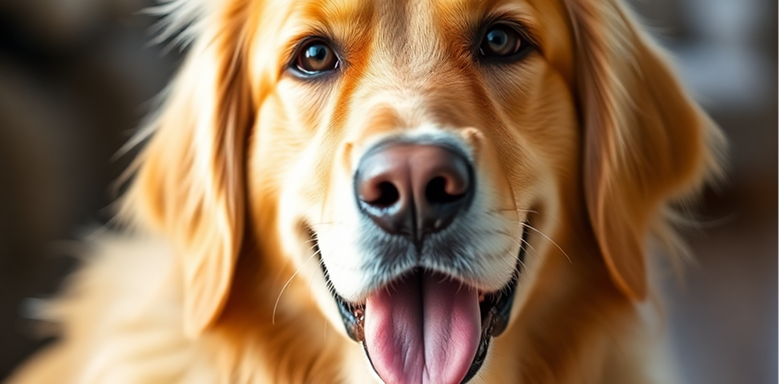
Your dog greets you with a wagging tail, bright eyes, and a happy grin. That smile looks harmless, yet it hides one of the most overlooked areas of canine health. Dental care often sits quietly in the background while owners focus on food, exercise, and vaccinations. However, the mouth tells a powerful story about overall wellbeing.
Annual dog dental checkups aren’t about cosmetic cleaning. They are about preventing pain, infection, and serious health complications. Just like people, dogs need regular dental evaluations to stay comfortable and healthy. When dental care is ignored, small problems grow quietly until they cause visible suffering.
Understanding why these checkups matter can change how you care for your dog for life.
Why Dental Health Matters More Than Most Owners Realize
A dog’s mouth is a gateway to the rest of the body. Bacteria that build up on teeth don’t stay put. Over time, they travel through the bloodstream and affect vital organs.
Dental disease is one of the most common conditions diagnosed in adult dogs. In fact, many dogs show signs by age three. Unfortunately, pain often goes unnoticed because dogs instinctively hide discomfort.
Annual dog dental checkups help uncover issues that owners can’t see. Early detection protects more than teeth. It protects the heart, liver, and kidneys as well.
What Happens During Annual Dog Dental Checkups
Many owners imagine dental visits as simple cleanings. In reality, they involve much more.
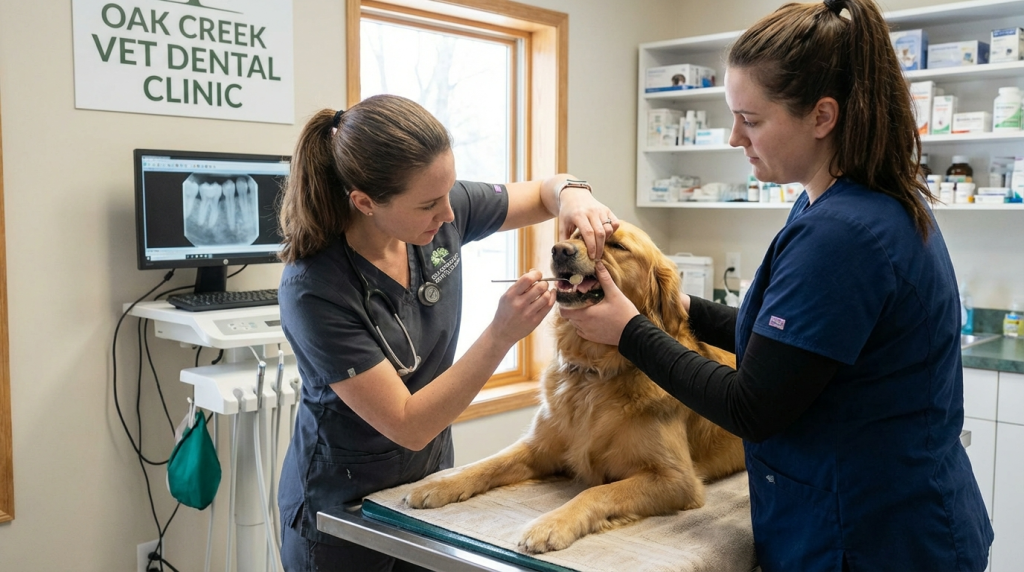
A Complete Oral Examination
Veterinarians examine teeth, gums, tongue, and jaw alignment. They look for redness, swelling, broken teeth, and unusual growths. Subtle signs often reveal early disease.
Professional Dental Cleaning
When needed, plaque and tartar are removed above and below the gumline. This step is critical because harmful bacteria hide where toothbrushes can’t reach.
In many cases, X-rays are taken. These images reveal issues beneath the surface that would otherwise remain invisible.
Treatment Planning and Prevention
If problems are found, treatment options are discussed early. That approach reduces pain, lowers costs, and prevents future complications.
The Link Between Dental Disease and Whole-Body Health
Dental disease doesn’t stay in the mouth. That connection surprises many dog owners.
Heart Disease Risks
Bacteria from infected gums can enter the bloodstream. Once circulating, they may attach to heart valves. Over time, this contributes to heart disease.
Kidney and Liver Damage
The kidneys and liver filter blood. When bacteria circulate continuously, these organs work harder. Chronic exposure increases the risk of long-term damage.
Immune System Stress
Constant infection keeps the immune system on alert. As a result, your dog becomes more vulnerable to other illnesses.
Annual dog dental checkups help break this chain early.
Signs of Dental Problems Owners Often Miss
Dogs rarely cry out in pain. Instead, they adapt.
Watch for subtle changes such as:
- Bad breath that worsens over time
- Reluctance to chew hard food
- Pawing at the mouth
- Drooling more than usual
- Changes in behavior or appetite
These signs often appear late. That’s why routine dental exams matter even when everything seems fine.
Why Brushing Alone Is Not Enough
Home dental care plays an important role. Still, brushing alone cannot replace professional evaluation.
Plaque hardens into tartar quickly. Once that happens, brushing no longer removes it. Additionally, problems below the gumline remain hidden.
Annual dog dental checkups work alongside at-home care. Together, they form a complete prevention strategy.
Puppies and Dental Checkups: Starting Early Matters
Dental care shouldn’t wait until adulthood.
Puppy dental exams help monitor tooth development and bite alignment. Retained baby teeth are common and can cause crowding if ignored.
By starting early, dogs become comfortable with mouth handling. That familiarity reduces stress during future checkups.
Early habits build lifelong protection.
Adult Dogs Benefit Most from Annual Dental Exams
As dogs age, dental risks increase. Plaque builds faster. Gums become more sensitive. Teeth weaken.
Annual dog dental checkups for adult dogs catch issues before they cause pain. Preventive care at this stage often avoids extractions later.
Consistent exams also establish a baseline. Changes are easier to detect when history is documented.
Senior Dogs and Specialized Dental Care
Older dogs require extra attention. Age brings unique challenges.
Balancing Dental Care and Overall Health
Senior dogs may have heart conditions or arthritis. Dental plans are adjusted accordingly to ensure safety and comfort.
Managing Chronic Conditions
Infections in the mouth can worsen existing conditions. Addressing dental disease often improves energy, appetite, and mood.
For seniors, annual dental checkups often improve quality of life dramatically.
The Emotional Impact of Dental Pain in Dogs
Pain changes behavior. Dogs may become withdrawn, irritable, or less playful. Owners sometimes assume aging is the cause.
In reality, untreated dental disease often drives these changes.
After dental treatment, many dogs seem younger. Their personalities return. That transformation highlights how deeply dental health affects wellbeing.
Cost Concerns: Prevention vs Treatment
Some owners delay dental care due to cost concerns. Ironically, that delay often leads to higher expenses later.
Preventive Care Saves Money
Routine cleanings and exams cost less than advanced procedures. Extractions, infections, and emergency care add up quickly.
Insurance and Wellness Plans
Many pet insurance plans cover dental illness. Wellness packages also help spread costs over time.
Annual dog dental checkups are an investment that pays off.
How Often Dogs Really Need Dental Checkups
Once per year is the general recommendation. However, some dogs need more frequent visits.
Factors that influence frequency include:
- Breed size and jaw structure
- Diet and chewing habits
- Existing dental conditions
Small breeds often need closer monitoring due to crowded teeth. Your veterinarian can tailor a schedule that fits your dog.
Breeds at Higher Risk for Dental Disease
Not all dogs face equal dental risks.
Small and Toy Breeds
Crowded teeth trap food easily. Plaque builds faster. Regular checkups are essential.
Flat-Faced Breeds
Short jaws create alignment issues. These dogs often develop gum disease earlier.
Working and Sporting Breeds
Chewing habits and wear patterns create unique challenges. Dental fractures are more common.
Understanding breed risk helps prioritize care.
What Happens If Dental Checkups Are Skipped
Skipping annual dog dental checkups allows disease to progress silently.
Over time, dogs may develop:
- Severe gum infections
- Tooth loss
- Jaw bone deterioration
- Chronic pain
By the time symptoms become obvious, damage is often advanced.
Prevention avoids regret.
Making Dental Visits Less Stressful for Your Dog
Fear often comes from the unknown. Familiarity reduces anxiety.
Start with positive experiences at the clinic. Use treats and calm praise. Keep visits routine rather than reactive.
When dental care becomes normal, stress fades.
Supporting Dental Health Between Annual Checkups
Professional care works best when supported at home.
Helpful habits include:
- Regular tooth brushing with dog-safe toothpaste
- Dental chews approved by veterinarians
- Balanced nutrition that supports oral health
These steps slow plaque buildup and extend the benefits of checkups.
Conclusion: Dental Checkups Protect More Than Teeth
Annual dog dental checkups protect comfort, confidence, and longevity. They prevent silent pain and uncover hidden threats before damage spreads.
When dental health is prioritized, dogs eat better, play more, and feel happier. The difference is often dramatic.
A healthy mouth supports a healthy life. By scheduling regular dental exams, you give your dog the gift of comfort and care year after year.
FAQ
1. At what age should dogs start dental checkups?
Dogs should begin dental checkups as puppies, usually during early wellness visits.
2. Do dogs really need dental cleanings every year?
Yes, most dogs benefit from annual dental checkups to prevent plaque buildup and detect disease early.
3. Can bad breath indicate dental disease?
Persistent bad breath is often one of the first signs of dental problems and should be evaluated.
4. Are dental procedures safe for dogs?
When performed by a veterinarian with proper monitoring, dental procedures are considered safe and routine.
5. How can I support dental health at home?
Regular brushing, dental chews, and proper nutrition help maintain oral health between professional checkups.