
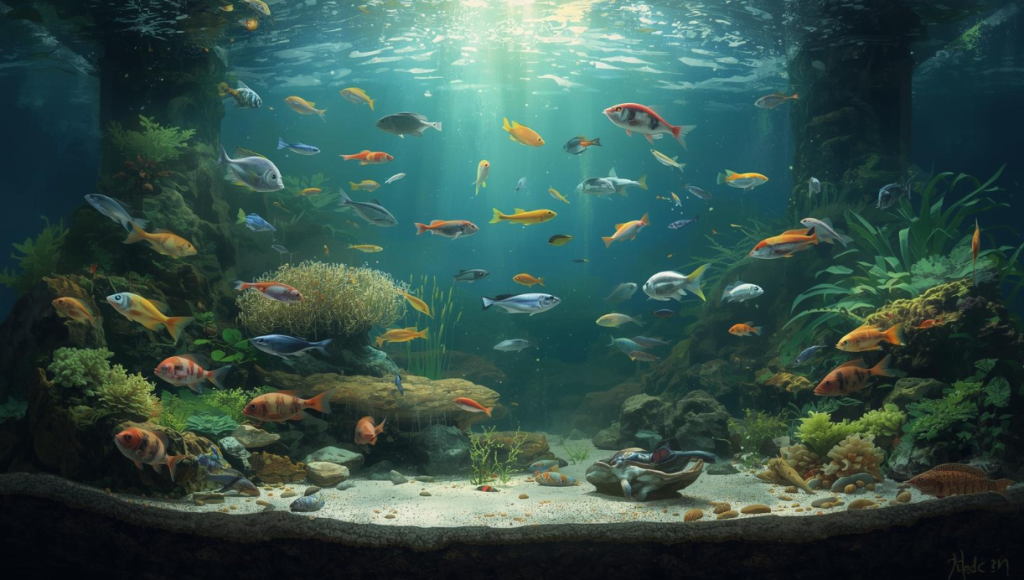

Mixing fish species sounds simple at first. You picture a colorful, lively aquarium where every fish swims peacefully, each adding something unique to the scene. Then reality hits. One fish starts chasing. Another hides constantly. Stress builds, fins tear, and suddenly the tank feels tense instead of tranquil.
Aggression in aquariums is not random. It’s usually the result of poor planning, incompatible species, or environmental stress. Fortunately, aggression can be prevented. When you understand how fish interact, what they need, and how space influences behavior, harmony becomes achievable.
This guide explains how to mix fish species safely and prevent aggression. You’ll learn how to choose compatible fish, set up the tank correctly, and manage behavior long-term so your aquarium remains calm and healthy.
Why Aggression Happens When Mixing Fish Species
Aggression is communication.
Fish don’t fight out of malice. Instead, they respond to territory invasion, competition for food, or stress caused by poor conditions. When fish feel threatened, they defend themselves the only way they know how.
In mixed-species tanks, aggression often appears when fish have mismatched temperaments or overlapping needs. Without proper planning, conflict becomes inevitable.
Understanding why aggression happens is the first step to preventing it.
Territorial Behavior and Its Impact
Many fish are territorial by nature.
They claim space for feeding, breeding, or resting. When another fish enters that space, aggression follows. This is especially common in cichlids, bettas, and some gouramis.
Territorial behavior intensifies in small tanks. Limited space forces constant interaction, which raises stress.
Space and structure help diffuse tension.
Temperament Matters More Than Appearance
Looks can be misleading.
Peaceful fish often coexist well, even if they look different. Meanwhile, similarly sized or colored fish may fight if temperaments clash.
Aggressive fish paired with timid species often cause constant stress. The timid fish may stop eating or hide continuously.
Matching temperament is essential when you mix fish species safely.
The Role of Tank Size in Preventing Aggression
Tank size shapes behavior.
Larger tanks provide room to establish territories and escape conflict. Smaller tanks magnify aggression because fish cannot avoid each other.
Even peaceful species become aggressive when overcrowded. Adequate space allows fish to coexist without constant interaction.
When in doubt, choose a larger tank.
How Overcrowding Triggers Aggression
Overcrowding creates competition.
Food, oxygen, and territory become scarce. As a result, dominant fish assert control aggressively.
Stress hormones rise, immune systems weaken, and disease spreads faster.
Fewer fish often lead to better harmony.
Choosing Compatible Fish Species
Compatibility begins with research.
Fish species differ in water preferences, activity level, and social needs. Mixing species with similar requirements increases success.
For example, fish that prefer the same temperature and pH adapt more easily. Matching swimming levels also reduces conflict.
Compatibility creates balance.
Understanding Swimming Zones
Aquariums have layers.
Some fish stay near the surface. Others prefer mid-levels or the bottom. Mixing species that occupy different zones reduces competition.
Surface, mid-water, and bottom dwellers can coexist peacefully when chosen wisely.
Vertical separation matters.
Schooling Fish and Group Dynamics
Schooling fish feel safer in numbers.
Tetras, rasboras, and danios need groups of six or more. Without a school, they become anxious and aggressive.
Proper group sizes reduce stress and promote natural behavior.
Lonely fish are stressed fish.
Avoiding Fin Nipping and Bullying
Fin nipping is a common problem.
Fish with long, flowing fins attract attention. Species like barbs may nip fins out of curiosity or dominance.
Avoid mixing fin-nippers with slow, long-finned fish. Compatibility prevents injury.
Observation helps catch problems early.
Mixing Aggressive Fish Carefully
Some fish are naturally aggressive.
Cichlids, bettas, and some gouramis require special planning. Aggressive species often do best in species-only tanks.
If mixed, they need large tanks, visual barriers, and compatible tank mates.
Aggression management requires experience.
Using Aquascaping to Reduce Aggression
Tank layout influences behavior.
Plants, rocks, and driftwood break sightlines. When fish can’t see each other constantly, aggression decreases.
Hiding spots allow timid fish to retreat safely.
Structure creates peace.
Importance of Visual Barriers
Visual barriers calm fish.
Line-of-sight aggression happens when fish feel watched or challenged. Barriers interrupt that perception.
Dense planting or décor creates natural boundaries.
Seeing less often means fighting less often.
Introducing Fish in the Right Order
Order matters.
Adding aggressive or territorial fish last reduces dominance. Peaceful species establish themselves first.
Introducing all fish at once also helps, as no one claims territory beforehand.
Timing affects behavior.
Acclimation Reduces Stress
Stress fuels aggression.
Proper acclimation helps fish adjust to new water conditions gradually. Drip acclimation reduces shock.
Calm fish adapt better.
Slow transitions prevent conflict.
Feeding Strategies to Prevent Aggression
Hunger increases hostility.
Ensure all fish receive food. Spread food across the tank to prevent competition.
Multiple feeding spots reduce dominance displays.
Full fish are calmer fish.
Lighting and Its Effect on Behavior
Lighting influences mood.
Bright lighting increases visibility and stress. Dimmer lighting creates a calmer environment.
Consistent light cycles help regulate behavior.
Balance reduces agitation.
Monitoring Behavior After Mixing Fish
Observation is essential.
Watch fish closely during the first weeks. Chasing, fin damage, or hiding signal problems.
Early intervention prevents loss.
Behavior tells the story.
When to Separate Fish
Some conflicts cannot be resolved.
Persistent aggression, injury, or stress require separation. Rehoming or creating a species-only tank may be necessary.
Protecting fish welfare matters more than aesthetics.
Quarantine Tanks Prevent Disaster
Quarantine protects everyone.
New fish may carry disease or behave aggressively. Quarantine allows observation before introduction.
Healthy fish integrate better.
Preparation prevents chaos.
Common Mistakes When Mixing Fish Species
Mistakes happen often.
Choosing fish based on looks. Ignoring adult size. Overstocking. Skipping research.
Awareness prevents regret.
Knowledge saves lives.
How Water Quality Affects Aggression
Poor water quality increases irritability.
Ammonia, nitrites, and unstable pH stress fish. Stressed fish act aggressively.
Regular maintenance keeps behavior balanced.
Clean water equals calm behavior.
Using Tank Mates to Balance Behavior
Some fish act as “dither fish.”
Active, peaceful species reduce aggression by distracting dominant fish.
Dither fish create movement without threat.
Behavior can be influenced strategically.
Why Patience Matters in Community Tanks
Harmony takes time.
Fish need weeks to adjust. Initial chasing doesn’t always mean failure.
Give fish time before making changes.
Patience allows adaptation.
Long-Term Management of Mixed Species Tanks
Behavior evolves.
Fish grow. Hierarchies shift. Tank dynamics change.
Regular observation and adjustment maintain peace.
Aquariums are living systems.
Signs of a Peaceful Community Aquarium
Peace looks subtle.
Fish swim calmly. Feeding occurs without chaos. Hiding is minimal.
Healthy behavior reflects good planning.
Calm tanks feel alive, not tense.
Conclusion
Learning how to mix fish species safely transforms an aquarium from a stressful environment into a thriving ecosystem. Aggression is not inevitable. It’s a signal that something needs adjustment, whether it’s tank size, species choice, or layout.
By prioritizing compatibility, space, and structure, you create an environment where fish feel secure. When stress decreases, aggression fades. With patience and planning, mixed-species aquariums become balanced, beautiful, and deeply rewarding.
FAQ
1. Can aggressive fish ever live in community tanks?
Some aggressive fish can coexist with careful planning, large tanks, and compatible species.
2. How many fish should I add at once?
Adding fish in small groups or all at once reduces territorial behavior.
3. Does tank size really affect aggression?
Yes, larger tanks provide escape routes and reduce constant interaction.
4. What should I do if one fish becomes aggressive?
Monitor behavior closely and separate the fish if aggression persists.
5. Are peaceful fish always safe together?
Not always. Even peaceful species can clash if overcrowded or stressed.