
Birds are intelligent, emotional creatures. Yet many people underestimate how deeply birds feel loneliness. If your feathered companion spends long hours alone, silence can feel heavy. Isolation can slowly chip away at confidence and joy. That’s why learning how to help a lonely bird matters more than most owners realize.
Unlike cats or dogs, birds express stress quietly at first. Feather plucking, reduced vocalization, or constant screaming often appear later. By the time those signs show up, loneliness has already taken root. Fortunately, you can change that story.
Helping a lonely bird feel safe and social starts with understanding their emotional world. Once you see life through their eyes, small changes create powerful results.
Why Birds Experience Loneliness So Deeply
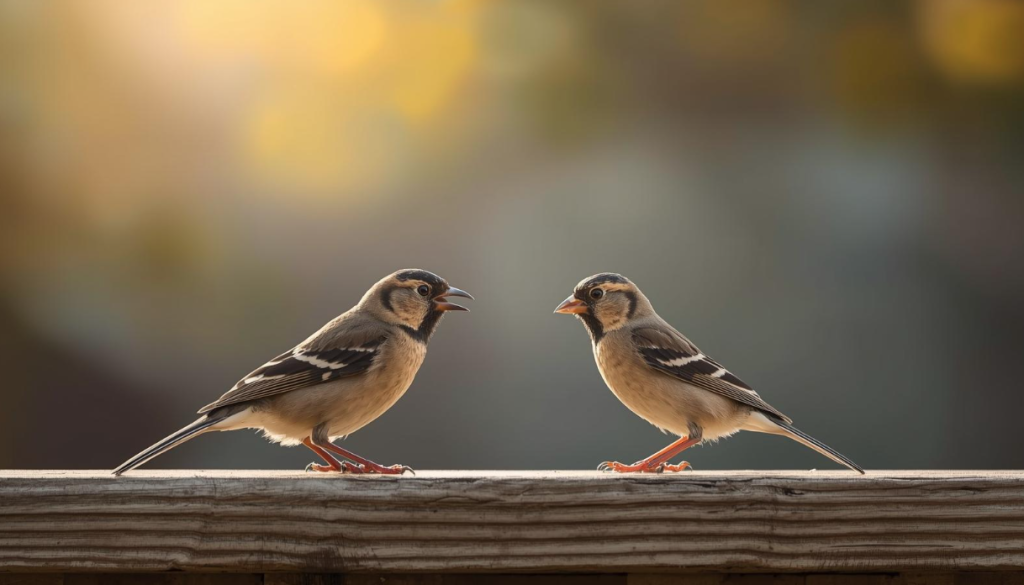
In the wild, birds live in flocks. Every moment involves interaction. Calls signal safety. Grooming builds trust. Shared movement strengthens bonds. When a bird lives alone, that natural rhythm disappears.
A solitary bird doesn’t just miss noise. They miss connection. Without social feedback, uncertainty grows. Over time, stress hormones rise. That stress affects health, behavior, and lifespan.
Therefore, to help a lonely bird, you must replace missing flock interaction in meaningful ways. Human companionship can fill that gap, but only when done correctly.
Recognizing Signs of a Lonely Bird
Loneliness doesn’t always scream for attention. Often, it whispers.
You may notice excessive sleeping during the day. Appetite changes might appear slowly. Some birds become unusually quiet. Others vocalize nonstop.
Feather plucking is a major red flag. So is repetitive pacing or head bobbing without stimulation. Aggression can also emerge, especially during handling.
Recognizing these signs early allows you to help a lonely bird before habits become harmful. Observation becomes your strongest ally.
Creating a Safe Emotional Environment
Safety forms the foundation of social behavior. Without safety, trust cannot grow.
Start by evaluating your bird’s environment. Is the cage placed in a socially active area? Birds feel comforted by nearby life, yet too much chaos causes stress. Balance matters.
Avoid placing cages near drafts, televisions blasting sound, or constant foot traffic. At the same time, isolation in a quiet room can deepen loneliness.
Consistency builds security. Keep feeding times predictable. Maintain a regular sleep schedule. When routines stay stable, anxiety drops.
To help a lonely bird, emotional safety must come first.
The Power of Daily Interaction
Birds bond through presence. Even quiet companionship counts.
Spend time near your bird daily. Talk softly. Read aloud. Work nearby. These moments build familiarity without pressure.
Eye contact should be gentle. Sudden movements should be avoided. Let your bird observe you calmly.
Gradually, interaction becomes inviting rather than intimidating. Trust grows layer by layer, like bricks forming a bridge.
Daily presence transforms loneliness into connection.
Using Your Voice to Build Trust
Your voice carries comfort when used intentionally.
Speak in a calm, melodic tone. Avoid sudden volume changes. Repetition helps birds recognize safety cues.
Many birds enjoy being spoken to throughout the day. Narrate simple actions. Greet them consistently. Say good morning and good night.
Over time, your voice becomes a signal of companionship. For a lonely bird, that familiarity reduces stress immediately.
Words matter more than you think.
Introducing Toys That Encourage Social Behavior
Toys are more than entertainment. They provide mental engagement and emotional relief.
Choose toys that mimic natural behaviors. Foraging toys encourage problem-solving. Shreddable materials satisfy instinctive needs.
Rotate toys regularly. Novelty prevents boredom. However, introduce new items slowly to avoid fear.
Interactive toys help a lonely bird feel engaged when you’re unavailable. While toys can’t replace companionship, they reduce isolation effectively.
Mental stimulation supports emotional stability.
Teaching Your Bird to Play With You
Play builds bonds faster than passive interaction.
Start with simple games. Gentle peekaboo works well for many species. Tossing lightweight objects can become a shared activity.
Use positive reinforcement. Praise calm behavior. Offer small treats sparingly.
Never force participation. Let curiosity lead. When play feels safe, confidence grows naturally.
Shared play transforms you from caregiver into flock member.
The Role of Physical Touch
Touch strengthens bonds, but only when welcomed.
Some birds enjoy head scratches. Others prefer minimal contact. Learn your bird’s preferences by observing body language.
Fluffed feathers and relaxed posture signal comfort. Lunging or stiff movement indicates discomfort.
Respect boundaries. Trust deepens when consent is honored.
For a lonely bird, appropriate touch reinforces belonging.
Establishing a Predictable Routine
Routine offers emotional grounding.
Feed, interact, and allow out-of-cage time at consistent intervals. Predictability reduces anxiety and builds confidence.
Birds thrive on knowing what comes next. When life feels predictable, loneliness loses its edge.
A structured day provides security without boredom.
Out-of-Cage Time Builds Confidence
Freedom matters.
Allow supervised out-of-cage time daily. Exploration encourages curiosity and independence.
Create a bird-safe space. Remove hazards. Close windows. Supervise closely.
Exploration strengthens muscles and confidence. It also reinforces trust in your presence.
Freedom paired with safety nurtures emotional health.
Mirrors: Helpful or Harmful?
Mirrors spark debate.
For some birds, mirrors provide comfort. For others, frustration develops when reflection doesn’t respond naturally.
Observe behavior carefully. If obsession or aggression appears, remove the mirror.
Mirrors should supplement, not replace, real interaction.
Used wisely, they may help a lonely bird feel less alone temporarily.
Considering a Companion Bird
Another bird can help, but timing matters.
Not every bird welcomes company. Personality differences influence outcomes.
Introduce potential companions slowly. Quarantine first. Allow visual and auditory exposure before physical interaction.
Companionship should reduce stress, not create competition.
When successful, flock bonding restores natural social fulfillment.
Diet and Emotional Health
Nutrition affects mood.
A balanced diet supports brain function and energy levels. Fresh fruits, vegetables, and quality pellets matter.
Avoid excessive seed diets. Nutrient deficiencies increase irritability and lethargy.
Healthy bodies support healthy minds.
Food becomes fuel for emotional resilience.
Training Builds Communication
Training sessions strengthen bonds.
Simple commands build confidence. Target training encourages focus. Positive reinforcement fosters trust.
Short sessions work best. End on success.
Training transforms interaction into communication.
A bird that understands you feels less alone.
Managing Your Absence
Loneliness often peaks during long absences.
Leave background noise playing softly. Calm music or nature sounds help.
Position cages near windows for visual stimulation, ensuring safety.
Prepare enrichment before leaving. Foraging toys reduce boredom.
Thoughtful preparation eases separation anxiety.
Avoiding Common Mistakes
Well-meaning mistakes can increase loneliness.
Overhandling overwhelms some birds. Ignoring boundaries erodes trust.
Inconsistent routines create anxiety. Punishment damages confidence.
Patience always outperforms force.
Respect creates lasting bonds.
When to Seek Professional Help
Sometimes loneliness leads to deeper behavioral issues.
If feather plucking persists, consult an avian veterinarian or behaviorist.
Medical issues may contribute. Early intervention improves outcomes.
Professional guidance supports long-term wellbeing.
Asking for help shows commitment.
Building a Lifelong Bond
Helping a lonely bird isn’t a one-time fix. It’s an ongoing relationship.
Connection grows through shared experiences. Trust deepens through consistency.
Over time, loneliness fades. In its place, companionship thrives.
Your bird becomes not just a pet, but a partner.
Conclusion
To help a lonely bird feel safe and social, you must meet emotional needs, not just physical ones. Birds crave connection, predictability, and trust. Through daily interaction, respectful touch, mental stimulation, and patience, loneliness transforms into confidence.
Every small effort adds up. With time, your bird will feel secure, valued, and truly part of your flock.
FAQ
1. How can I tell if my bird is lonely?
Behavior changes such as excessive vocalization, feather plucking, or withdrawal often indicate loneliness.
2. Can toys replace human interaction?
No, toys help reduce boredom, but human interaction remains essential for emotional health.
3. Is getting a second bird always helpful?
Not always. Compatibility and gradual introductions are critical for success.
4. How much daily interaction does a bird need?
Most birds benefit from several hours of interaction spread throughout the day.
5. Should I talk to my bird even if it doesn’t respond?
Yes, your voice builds familiarity and comfort, even without immediate response.