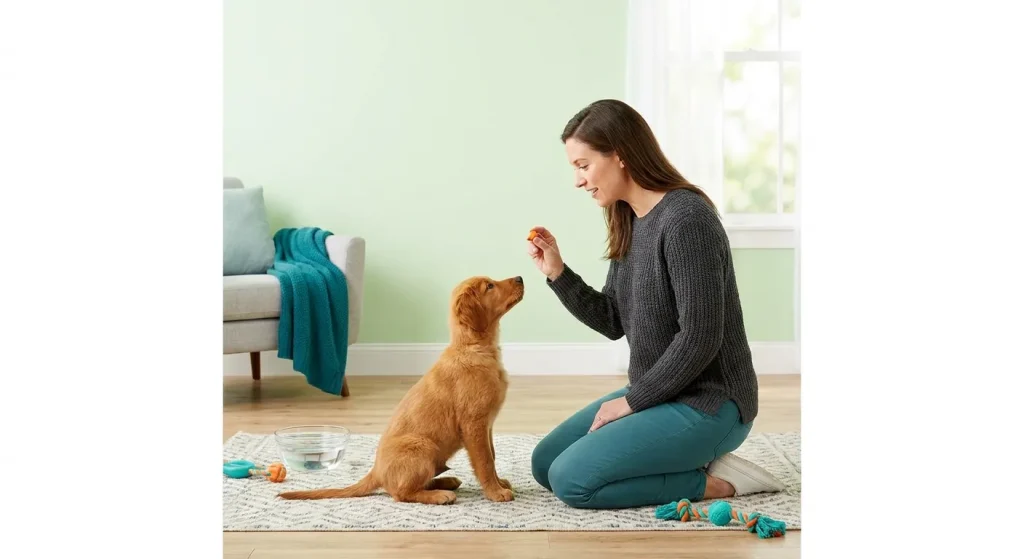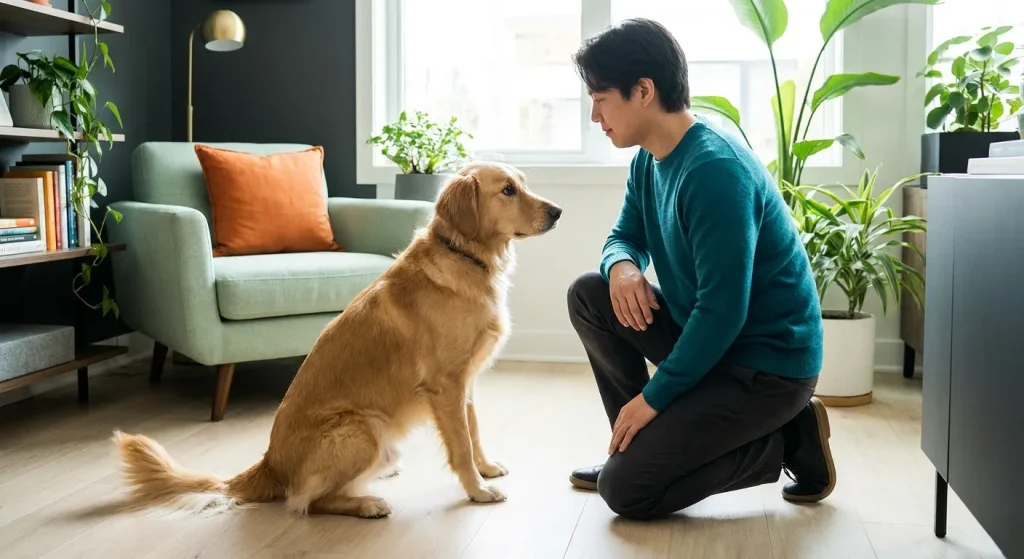
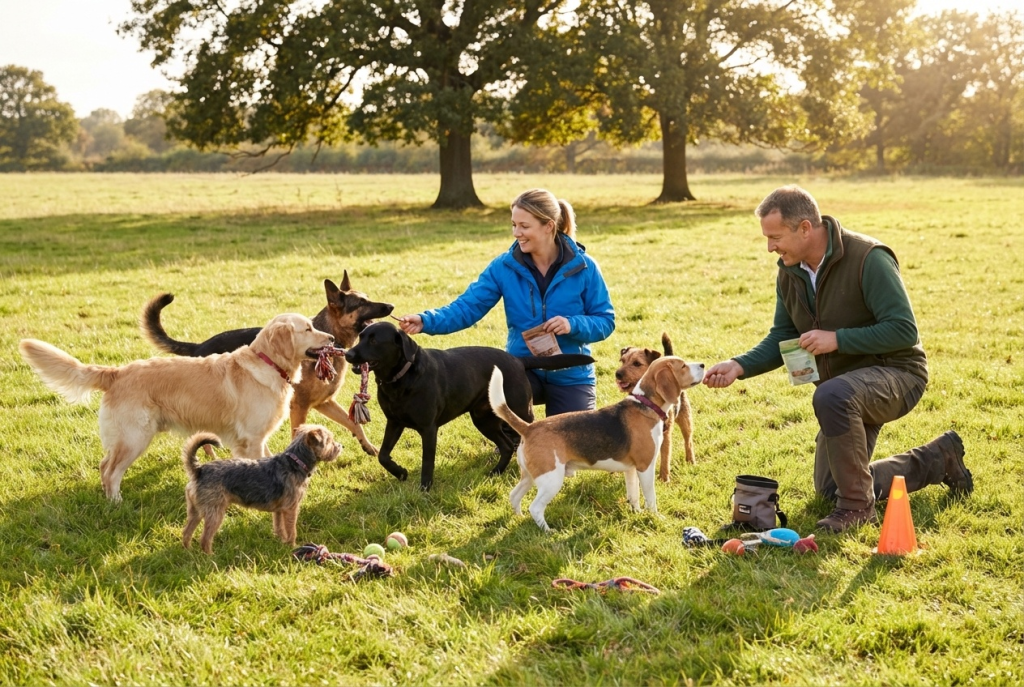

Many dog owners assume socialization only happens during puppyhood. Yet adult dogs can also learn new behaviors, build confidence, and adapt to unfamiliar experiences. In fact, when you understand how to socialize adult dogs, you open the door to calmer walks, easier greetings, and a more relaxed companion. Even if your dog missed early socialization or had negative experiences in the past, progress is still possible. The key is to create positive, low-pressure interactions that give your dog choice and support rather than force or fear.
Adult dogs often carry habits formed over years. Some react with barking, lunging, or hiding when they feel unsure. Others shut down or cling to their owners. Because these behaviors stem from stress, you must approach socialization gently. You are teaching your dog that the world is safe, predictable, and something they can navigate confidently. When you move at your dog’s pace, their trust grows naturally.
Throughout this article, you’ll learn how to socialize adult dogs in ways that reduce anxiety and build emotional stability. With the right steps, your dog can feel comfortable with new people, dogs, sounds, and environments—without overwhelm or pressure.
Why Learning to Socialize Adult Dogs Matters
Adult dogs deserve the same opportunities for confidence and positive experiences as puppies. When you decide to socialize adult dogs, you help them enjoy a calmer and more fulfilling life. Socialization teaches them to understand the world without fear. It helps them recover from past trauma, break old patterns, and build new, healthier habits.
Proper socialization leads to:
- Less reactivity on walks
- Better focus during training
- Increased comfort around strangers
- More relaxed body language
- Healthier emotional regulation
Dogs who feel confident can explore more freely. They also make stronger connections with their owners because they aren’t overwhelmed by fear or uncertainty. Socialization offers freedom—freedom to relax, to learn, and to trust.
Even more importantly, socialization helps prevent accidents. A stressed dog may bolt, snap, or freeze. A calm dog can observe, think, and respond safely. Teaching a dog to stay composed under mild pressure should always be done gently. That’s why learning how to socialize adult dogs remains essential.
Start Socialization with a Calm Foundation
Before exposing your dog to new situations, you need to create a sense of stability at home. A regulated nervous system makes new experiences easier for your dog to handle.
This foundation includes:
- A predictable daily routine
- A quiet rest area
- Consistent feeding and walking times
- Clear communication
- Gentle, rewarding interactions
When home feels safe, your dog feels anchored. With that emotional anchor, they gain courage to explore.
Additionally, avoid overwhelming environments early on. Busy parks, loud events, or crowded sidewalks may be too much at first. Socialization begins with softness, not intensity.
Use Distance as a Tool During Socialization
Distance determines your dog’s comfort level. When learning to socialize adult dogs, start far enough away from triggers that your dog remains calm. If their ears perk sharply, body stiffens, or tail lowers, you’re too close.
Distance allows your dog to observe without fear. It prevents reactive behaviors and keeps the experience positive. Slowly, over days or weeks, you can lessen the distance as confidence grows.
Use landmarks like:
- Parking lots
- Empty grass areas
- Long sidewalks
- Quiet parks
- Open fields
When your dog chooses to watch calmly from afar, they learn that new stimuli are safe. After they relax, you can slowly reduce the distance. But never rush. Distance protects confidence.
Follow Your Dog’s Pace, Not a Schedule
Adult dogs come with different histories. One may adjust quickly. Another may take weeks before feeling safe around new people or dogs. That’s why you should always let your dog dictate the pace.
To socialize adult dogs effectively:
- Watch their body language
- Pause when they seem unsure
- Reward curiosity
- Allow gentle retreat
- Keep sessions short and positive
Progress is not linear. Some days your dog may feel brave. Other days they need more space. Socialization builds over time through repetition, not force.
Introduce New People Gradually and Calmly
Meeting new people can be stressful for adult dogs. Many react out of uncertainty rather than aggression. Slow introductions help them build trust safely.
Use these steps:
- Allow your dog to observe the person from a distance.
- Reward calm behaviors with treats.
- Avoid direct eye contact from strangers.
- Let your dog approach only if they choose to.
- Encourage the person to stand sideways instead of facing the dog head-on.
When you socialize adult dogs with humans using choice-based interaction, fear reduces significantly. Your dog learns they are in control, and control builds confidence.
Use Positive Associations in Every Interaction
Positive reinforcement strengthens trust. When your dog experiences something new alongside treats, praise, or toys, they build a healthy emotional link to the situation.
Use rewards when:
- A stranger appears nearby
- A dog walks past
- A new sound occurs
- Your dog relaxes in a new environment
- Your dog looks at you instead of reacting
Rewarding calm thinking encourages emotional stability. It teaches your dog that good things happen when they stay composed.
Remember: reinforce desirable behaviors, not fearful reactions. Timing matters, and practice makes timing easier.
Allow Sniffing and Exploration to Reduce Stress
Dogs process the world through scent. Allowing them to sniff helps them decompress, think clearly, and regulate emotions. Sniffing also helps them gather important information about their surroundings.
During socialization sessions:
- Let your dog sniff the ground
- Avoid pulling them away quickly
- Allow decompression walks in low-stimulation areas
- Encourage exploration at their pace
Learning how to socialize adult dogs means embracing their natural coping mechanisms. Sniffing is one of the strongest tools they have.
Introduce Other Dogs Carefully and Slowly
Dog-to-dog socialization is different from human socialization. Many adult dogs struggle with unknown dogs, especially if they had negative encounters before.
To socialize adult dogs safely with other dogs:
- Use neutral spaces
- Start with parallel walking
- Keep a comfortable distance
- Reward both dogs for calm behavior
- Avoid direct head-on approaches
- Do not force greetings
Parallel walking is one of the most effective techniques. Both dogs walk in the same direction, several feet apart. Over time, the distance narrows naturally as they relax.
Once both dogs appear comfortable, a loose-leash greeting may take place—but only briefly. Short, polite interactions feel safer than long ones.
Teach Your Dog an Emergency Exit Cue
Sometimes the environment becomes too stressful, and you need to help your dog leave calmly. Exit cues provide structure during overwhelm.
Useful cues include:
- “This way”
- “Let’s go”
- “Back to me”
Practice these cues at home before using them outside. When well-rehearsed, they help you reposition your dog quickly without panic.
These cues become essential tools as you learn to socialize adult dogs without stress.
Reward Engagement and Eye Contact
When your dog looks at you voluntarily, they demonstrate trust and emotional regulation. Eye contact anchors your dog to your calm presence.
Reinforce moments when your dog:
- Checks in with you
- Looks at you after seeing a trigger
- Turns their head toward you instead of fixating
- Sits calmly and waits
These small victories build your socialization foundation. Each check-in shows your dog is learning to think before reacting.
Use Calm Energy and Soft Body Language
Dogs read our posture and tone. If you stay relaxed, they feel supported. When your shoulders drop, your breathing slows, and your voice softens, your dog senses safety.
During socialization:
- Avoid tight leash tension
- Keep your movements slow
- Speak calmly
- Maintain soft facial expressions
- Avoid bending over your dog
Your energy becomes part of your socialization strategy. Calm owners raise calm dogs.
Provide Decompression Time After Each Session
After a new experience, your dog needs rest. Socialization uses mental and emotional energy, and decompressing helps your dog process what they learned.
Offer:
- Quiet time in a safe room
- Sniff-heavy backyard breaks
- Chews or lick mats
- Gentle petting if your dog enjoys it
When you socialize adult dogs without rushing, decompression becomes essential. Rest allows learning to settle.
Avoid Overexposure or Flooding
Flooding occurs when a dog is exposed to too much too fast. This can damage trust and cause setbacks. Instead, keep interactions short and manageable.
Examples of flooding:
- Forcing a dog to greet strangers
- Walking into a crowded festival
- Introducing multiple new dogs at once
- Staying in a stressful environment too long
Avoiding these situations protects your dog’s emotional wellbeing.
Use Enrichment to Support Socialization
Enrichment reduces stress and increases confidence. A mentally stimulated dog handles new situations more easily.
Enrichment may include:
- Puzzle toys
- Snuffle mats
- Slow feeders
- Chew items
- Scent games
- Soft training sessions
A fulfilled dog feels more balanced and more open to new experiences.
Conclusion
Learning how to socialize adult dogs without stress transforms their entire world. With patience, distance, positive reinforcement, and gentle exposure, any dog can build confidence. Adult dogs thrive when given choice, consistency, and kindness. When you move slowly and respect boundaries, your dog learns to trust both you and the environment. Over time, socialization becomes a natural part of their daily life, helping them enjoy calmer walks, safer interactions, and a peaceful, confident mindset.
FAQ
1. Can adult dogs really be socialized?
Yes. Adult dogs can learn new behaviors and build confidence with slow, positive exposure.
2. How long does socialization take?
It varies. Some dogs progress in weeks, while others take months depending on their past.
3. Should adult dogs meet unfamiliar dogs?
Only in controlled, calm environments. Forced or chaotic greetings can increase stress.
4. What if my dog becomes reactive?
Increase distance, stay calm, and remove your dog gently. Then reintroduce the situation from farther away.
5. Are treats necessary for socialization?
Treats help create positive associations, especially for nervous or unsure dogs.