
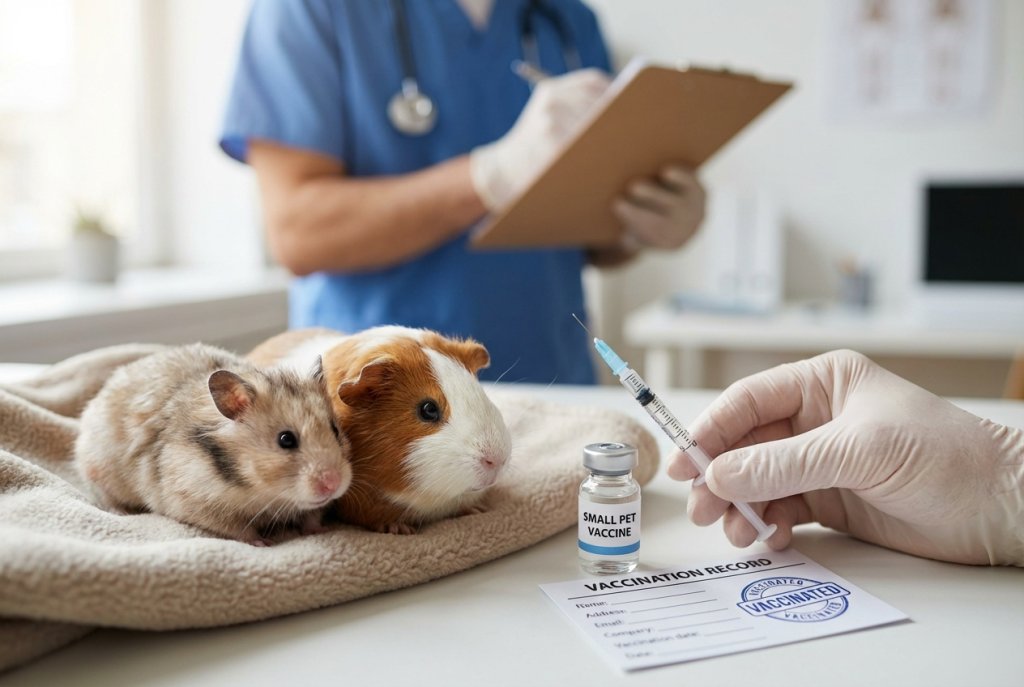

If you share your home with small pets, you already know how charming and full of personality they can be. Rabbits bring gentle curiosity. Ferrets bring playful mischief. Because these pets feel like family, you naturally want to keep them safe. Yet many owners still wonder whether small pets need vaccines. Dogs and cats often get yearly shots, but what about the smaller animals—especially rabbits and ferrets?
The short answer is yes. Some small pets need vaccines to stay protected against deadly diseases. Rabbits and ferrets are two species that benefit significantly from vaccinations. Even if your pets live indoors, they still face risks from viruses, outdoor insects, visiting animals, or contaminated environments. When you understand why small pets need vaccines, you can make informed decisions that protect their long-term health.
This article explains which small pets need vaccines, why rabbits and ferrets are at risk, and how vaccination routines support healthier, safer lives. Along the way, you’ll learn how preventive care works and what steps every owner should take to ensure their pets stay healthy.
Why Small Pets Need Vaccines for Long-Term Protection
Many owners assume that indoor rabbits or indoor ferrets don’t need vaccinations, but this isn’t true. Infectious diseases spread in many ways, and several viruses can survive on clothing, shoes, or insects. Because of this, small pets need vaccines just as much as larger animals.
Vaccines help:
• Strengthen the immune system
• Prevent severe or fatal illnesses
• Protect against widespread viruses
• Reduce vet bills caused by emergencies
• Support longer, healthier lifespans
Although rabbits and ferrets seem delicate, their immune systems respond well to preventative care. When they receive proper vaccinations, they are better equipped to fight off infections that would otherwise cause serious complications.
Understanding which small pets need vaccines empowers you to make smart, proactive choices. Prevention is always easier and far more effective than treatment.
Do Small Pets Need Vaccines? Rabbits Definitely Do
Rabbits are adorable, affectionate, and surprisingly vulnerable to several serious diseases. Although not all countries require rabbit vaccinations, most regions recommend them strongly. Because some viral diseases spread extremely quickly, rabbit owners must take these risks seriously.
Why Rabbits Need Vaccines for Viral Protection
Rabbits are at risk for two dangerous diseases:
1. Myxomatosis
This virus spreads through fleas, mosquitoes, direct contact, and contaminated surfaces. It frequently causes swelling, fever, respiratory distress, and often death. Even indoor rabbits face risk because insects can enter through open windows or doors.
2. Rabbit Hemorrhagic Disease (RHD / RHDV1 and RHDV2)
RHD is highly contagious and often fatal. It spreads through insects, infected hay, contaminated shoes, and other animals. RHDV2 is especially concerning because it spreads across continents and mutates easily. Many healthy rabbits show no early symptoms, making vaccination essential.
Because these illnesses spread so easily, rabbit experts agree that small pets need vaccines to stay safe. A yearly booster protects your rabbit from both diseases. In some regions, separate shots are needed, while others offer combination vaccines.
How Vaccines Protect Rabbits from Environmental Risks
Even when kept indoors, rabbits still encounter disease risks. Many owners don’t realize how easily viruses travel.
Viruses spread through:
• Mosquitoes entering homes
• Hay or bedding contaminated during storage
• Clothing or shoes worn outdoors
• Hands that touch wild rabbit areas
• Animals visiting from outside
Therefore, small pets need vaccines even without outdoor time. Vaccination provides a protective shield that indoor environments alone cannot guarantee.
Vaccines prepare your rabbit’s immune system to recognize and fight off threats quickly. Without vaccination, even a minor exposure could become life-threatening.
Do Small Pets Need Vaccines? Ferrets Absolutely Do
Ferrets require vaccinations just like puppies and kittens. They are susceptible to two extremely dangerous diseases that spread quickly: canine distemper and rabies. Because ferrets love to explore, the risk increases when owners take them outside or allow them to interact with other pets.
Why Ferrets Need Vaccines for Distemper and Rabies
Ferrets depend heavily on vaccines for disease prevention. Two vaccines are essential:
1. Canine Distemper Vaccine
Distemper is fatal for ferrets nearly 100% of the time. It spreads through saliva, shared bowls, infected dogs, and even airborne exposure. Ferrets that contract distemper usually experience:
• Fever
• Skin changes
• Nasal discharge
• Neurological symptoms
• Death within days
An annual distemper vaccine is the only effective protection.
2. Rabies Vaccine
Rabies is mandatory in many areas because it spreads to humans. Although indoor ferrets have a lower risk, the consequences of infection are severe. Bats, rodents, or outdoor animals may transmit the disease through bites or saliva.
Because of these threats, ferret owners must prioritize vaccinations. A licensed veterinarian should administer vaccines yearly to keep protection strong and ensure safe handling.
Indoor Ferrets Still Need Vaccines—Here’s Why
Some owners assume that indoor ferrets don’t need vaccines. However, that assumption is dangerous.
Rabies and distemper spread through:
• Contaminated objects
• Exposure during vet visits
• Wild animals entering yards
• Rescue dogs visiting the home
• Gaps in windows or screens
• Shelters, boarding facilities, or grooming visits
Small pets need vaccines because unpredictability exists everywhere. Ferrets are especially curious, making prevention even more important.
Vaccination helps ensure that unforeseen situations never turn into medical emergencies.
How Vaccines Work in Small Pets Like Rabbits and Ferrets
Vaccines train the immune system to recognize specific viruses. When your pet encounters the virus later, their immune system knows how to fight it quickly. This protection reduces symptoms, prevents spread, and often eliminates the virus before it grows strong.
Vaccines do this by:
• Stimulating antibody production
• Preparing immune memory cells
• Reducing viral load on contact
• Preventing severe complications
• Lowering mortality rates
Because rabbits and ferrets can decline quickly when sick, early immune support is essential. Vaccination gives them the strong foundation they need.
How to Keep Small Pets Safe Beyond Vaccination
Although small pets need vaccines, good husbandry also plays a major role in health. A vaccinated pet still requires a clean environment, a proper diet, and responsible handling.
To support your vaccinated pet:
• Use flea and mosquito prevention
• Quarantine new animals
• Clean and disinfect habitats regularly
• Provide proper nutrition and hydration
• Avoid overcrowded or stressful environments
• Schedule annual veterinary exams
• Monitor for behavior changes
Small pets need vaccines, but they also need an environment that reinforces their natural defenses. When you combine both approaches, you strengthen their overall well-being.
When Small Pets Need Vaccines—A Basic Timeline
Here’s a simple vaccination guideline:
For Rabbits:
• First shots at the appropriate age (depending on vaccine type)
• Boosters every 12 months
• Extra shots if traveling to high-risk regions
For Ferrets:
• Distemper vaccine at 8, 11, and 14 weeks
• Rabies vaccine at 12–16 weeks
• Yearly boosters for both diseases
Because local vaccine laws differ, always confirm the recommended schedule with your veterinarian.
Why Vets Stress That Small Pets Need Vaccines Every Year
Veterinarians emphasize annual boosters for a reason. Vaccine immunity weakens over time, especially in species with fast metabolisms like ferrets. Since diseases evolve and environmental exposure changes, yearly protection matters.
Your vet may also recommend:
• Annual physical exams
• Parasite screenings
• Dental assessments
• Nutrition evaluations
• Environment checks
These visits help detect early signs of illness before they become serious. Vaccination is just one layer of effective preventive care.
The Consequences of Skipping Vaccines in Small Pets
Skipping vaccines can have severe consequences. Even if your pet has never left the house, you cannot control every exposure risk. Once infected, rabbits and ferrets often decline rapidly, leaving little time for intervention.
Unvaccinated pets face:
• Higher risk of fatal illness
• Greater chance of spreading disease
• Longer and more expensive treatments
• Increased suffering and stress
• Potential legal consequences (for ferrets and rabies laws)
Vaccination prevents these outcomes and helps your pet live a long, comfortable life.
Conclusion
Rabbits and ferrets may be small, but their health needs are significant. Although many owners wonder whether small pets need vaccines, the truth is simple: yes, they do. Vaccinations protect them from fast-moving, deadly diseases and give them the strongest possible chance at a long life. With regular vet care, safe handling, and an appropriate vaccination schedule, your small pets can thrive in your home with confidence and security.
FAQ
1. Do indoor rabbits still need vaccines?
Yes. Insects, hay, and contaminated items can introduce viruses even to indoor rabbits.
2. How often should ferrets receive vaccines?
Ferrets need yearly boosters for both rabies and distemper.
3. Are rabbit vaccines required by law?
Laws vary by region. Some countries require vaccines, while others strongly recommend them.
4. Can vaccinated pets still get sick?
It’s possible but far less likely. Vaccines reduce severity and often prevent infection altogether.
5. At what age should rabbits or ferrets get their first vaccines?
Typically around 8–12 weeks, depending on the species and vaccine type.