If you’ve ever wondered how to help an overweight dog lose weight safely, you’re already taking the first step toward improving your dog’s quality of life. Many dogs gain weight quietly over time. A few extra treats, a couple of missed walks, or a metabolism that slows with age can cause noticeable weight gain before you realize what’s happening. Although a chubby dog may look cute, excess weight puts tremendous strain on the body. It affects joints, heart function, breathing, digestion, and even mood.
The good news is that helping an overweight dog lose weight safely is completely achievable. With small daily adjustments, your dog can regain energy, confidence, mobility, and comfort. Healthy weight loss isn’t about restriction—it’s about replacing old habits with better ones, offering nourishing meals, and encouraging natural movement throughout the day.
Sustainable weight loss happens gradually. When your dog loses weight at the right pace, the process feels easy and positive. Instead of feeling deprived, your dog begins to enjoy better health and more fun. This guide helps you build a safe weight-loss plan based on understanding, consistency, and love.
Why Helping an Overweight Dog Lose Weight Is So Important
Excess weight affects nearly every system in a dog’s body. Although the changes may appear slowly, they become serious over time. Helping an overweight dog lose weight safely prevents a long list of health problems that might otherwise develop.
Common risks of obesity include:
• Diabetes
• Joint degeneration
• Reduced mobility
• Heart strain
• Lung compression
• Heat sensitivity
• Skin infections
• Shortened lifespan
Because extra fat places pressure on internal organs, overweight dogs also tire more easily and struggle to regulate temperature. Many owners report that once their dogs shed excess pounds, they become happier, playful, and more alert.
Helping an overweight dog lose weight safely protects both the body and mind. A lighter dog feels more comfortable in daily movement, enjoys better gut function, and responds more positively to exercise.
How to Know if Your Dog Is Overweight
If you want to help an overweight dog lose weight safely, you must first understand your dog’s current condition. Some dogs hide weight gain under thick fur, and many owners underestimate a dog’s ideal size.
Use these indicators:
• You can’t feel ribs without pressing
• The waist is difficult to see
• The belly appears round
• Stamina is low
• Movement is slower than usual
• Climbing stairs seems difficult
• Snoring increases
• Your dog pants more than normal
You can also compare your dog to a body condition score chart. Most dogs should have a visible waist and ribs that can be felt easily under a thin layer of fat. When in doubt, a veterinarian provides the clearest assessment.
Start With a Vet Visit to Help an Overweight Dog Lose Weight Safely
Before starting any weight-loss plan, schedule a veterinary checkup. Underlying health problems may contribute to weight gain, including:
• Hypothyroidism
• Cushing’s disease
• Fluid retention
• Metabolic concerns
• Joint pain
• Hormonal changes
A vet helps confirm the safest plan for your dog’s size, age, and breed. They also set realistic weight-loss goals, recommend calorie levels, and rule out conditions that require treatment.
Helping an overweight dog lose weight safely begins with a clear medical picture.
Create a Calorie Plan That Supports Safe Weight Loss
Just like humans, dogs lose weight when they burn more calories than they eat. However, reducing calories too quickly can create nutritional deficiencies or cause dogs to lose muscle instead of fat. The goal is a balanced calorie deficit.
A vet determines the ideal daily intake for your dog. In general, weight-loss dogs need about 60–70% of their usual calorie amount. Because every dog is different, a personalized plan works best.
This calorie reduction should feel gentle. Rapid weight loss is unsafe, especially for senior dogs. Helping an overweight dog lose weight safely means focusing on slow, steady improvement rather than immediate transformation.
Switch to a High-Quality Weight Management Dog Food
Weight-loss formulas are specifically designed to help an overweight dog lose weight safely.
They often include:
• Lower calorie density
• More fiber for fullness
• Higher protein for muscle retention
• Balanced fats
• Essential nutrients
Feeding smaller portions of high-calorie foods rarely works well. Your dog may feel hungry and restless. However, weight management foods allow you to feed satisfying meals with fewer calories.
Look for formulas labeled:
• “Weight management”
• “Healthy weight”
• “Light” or “Low calorie”
• “Veterinary diet” (if recommended)
When switching foods, transition slowly over a week to avoid digestive upset.
Control Portion Sizes for Consistent Weight Loss
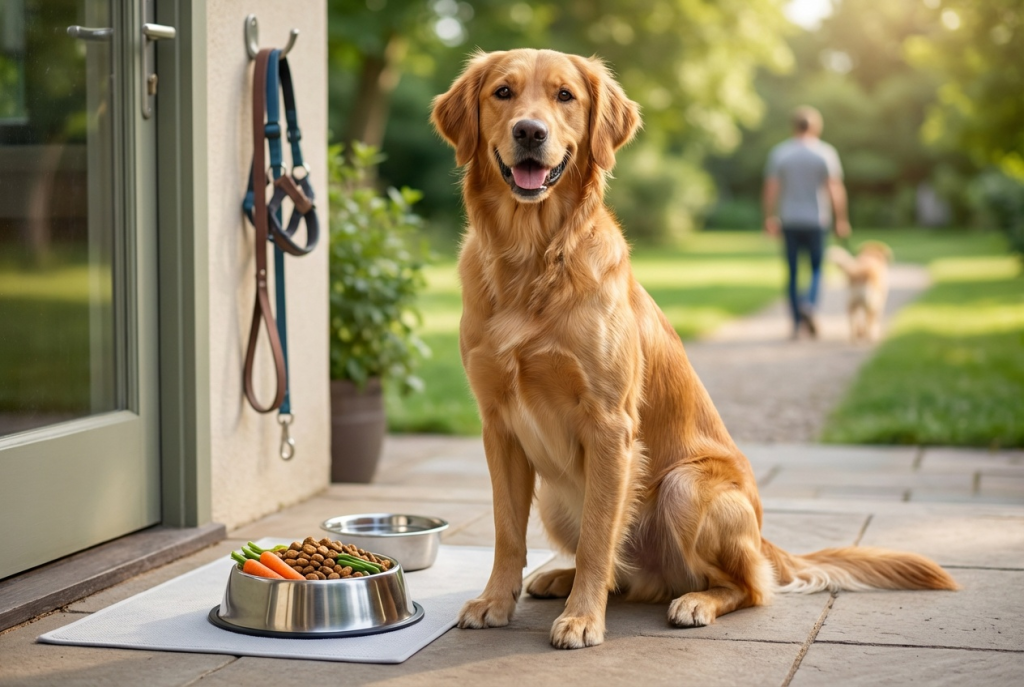
Eye-balling portions leads to overfeeding. Measuring food precisely ensures accurate calorie intake. Use a measuring cup or kitchen scale. Even small inaccuracies add up.
Divide meals into two or three feedings per day. This approach supports digestion and prevents begging between meals. Dogs thrive on routine, so keep feeding times consistent.
If your dog eats too quickly, try:
• Slow-feeder bowls
• Puzzle toys
• Feeding mats
• Dividing meals into smaller portions
These techniques extend mealtime and encourage mental stimulation.
Use Healthy Treats Wisely
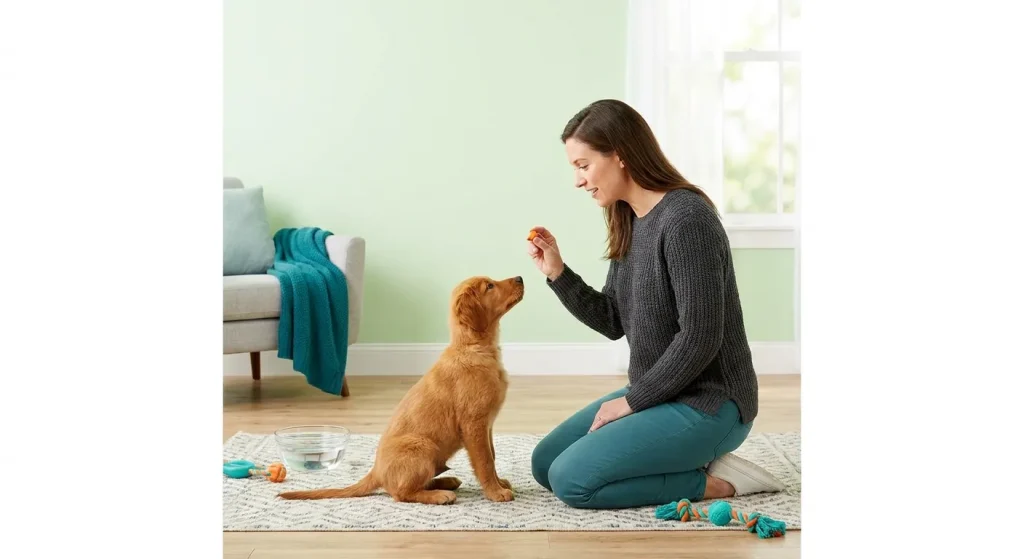
Treats matter more than most owners realize. Many popular treats contain surprisingly high calories. To help an overweight dog lose weight safely, choose treats with intention.
Healthy options include:
• Small carrot slices
• Green beans
• Cucumber rounds
• Air-popped popcorn (no butter)
• Freeze-dried single-ingredient meats
Keep treats under 10% of daily calories. Alternatively, use part of your dog’s kibble allowance as training treats.
Avoid:
• Cheese
• Peanut butter
• High-fat biscuits
• Large commercial treats
• Table scraps
Treat alternatives allow you to reward your dog without slowing weight loss.
Increase Daily Activity to Support Weight Loss
Exercise is crucial when helping an overweight dog lose weight safely. But start slowly. Overweight dogs experience joint strain and may tire quickly.
Introduce movement gradually:
• Begin with 5–10 minute walks
• Increase duration weekly
• Walk twice a day instead of once
• Encourage gentle sniffing
• Choose softer ground for joint comfort
Sniffing is mental exercise that burns calories too. Let your dog explore instead of focusing solely on pace.
As stamina improves, add:
• Longer walks
• Light jogging (if safe)
• Fetch sessions
• Swimming
• Treadmill sessions (supervised)
Swimming is excellent for overweight dogs because it burns calories without impact.
Incorporate Play to Keep Activity Fun
Weight loss feels easier when it resembles play. Daily play sessions boost calorie burn while strengthening your bond.
Try:
• Tug toys
• Puzzle games
• Hide-and-seek
• Scent trails
• Gentle chase toys
Encouraging natural movement keeps your dog mentally stimulated and physically active without stress.
Monitor Progress Weekly
Tracking weight helps you understand whether the plan works. Weigh your dog weekly at home or during vet visits. Safe weight loss ranges between 1–3% of body weight per week.
Additionally, monitor:
• Energy levels
• Coat condition
• Appetite
• Mobility
• Mood
Improvement in these areas signals that your dog feels better and becomes healthier each week.
Helping an overweight dog lose weight safely means staying consistent and celebrating small wins along the way.
Adjust the Plan as Needed
Not all dogs respond to weight-loss strategies in the same way. If progress slows, adjust with your vet’s help. You may need:
• Slightly fewer calories
• More activity
• A different food formula
• Modified treat plan
• Additional checkups
The goal is not rigid perfection but responsive care. Dogs succeed when we adapt to their needs.
Avoid Crash Diets and Unsafe Shortcuts
Rapid weight loss harms dogs. Crash diets can cause muscle loss, nutrient deficiencies, and gallbladder issues. Dogs should never go more than 24 hours without eating unless directed by a vet.
Avoid unsafe strategies such as:
• Extremely low-calorie diets
• Sudden fasting
• Over-exercising
• Punishment-based training
• Cutting essential nutrients
Helping an overweight dog lose weight safely means prioritizing health over speed.
Consider Joint Support for Overweight Dogs
Extra weight strains joints. Supporting joint health during weight loss keeps dogs comfortable and mobile.
Helpful supplements include:
• Glucosamine
• Chondroitin
• Omega-3 fatty acids
• MSM
Pair supplements with gentle exercise and supportive bedding.
Pay Attention to Mental Health During Weight Loss
Dogs feel emotionally connected to routines, especially food-related ones. Reducing calories or adjusting portions may cause anxiety at first.
To ease stress:
• Use puzzle toys for meals
• Offer affection during feeding times
• Maintain consistent routines
• Provide enrichment throughout the day
Dogs feel secure when life feels predictable and engaging.
Celebrate Non-Scale Victories
Helping an overweight dog lose weight safely isn’t just about numbers. Look for improvements in:
• Movement
• Flexibility
• Breath capacity
• Playfulness
• Sleeping positions
• Coat shine
These subtle changes show that your dog becomes healthier from the inside out.
Conclusion
Helping an overweight dog lose weight safely is an act of love that transforms their entire life. With the right combination of portion control, nutritious food, daily movement, and positive routines, your dog experiences better health, greater comfort, and renewed joy. Weight loss doesn’t happen overnight, but steady progress creates lasting results. When you remain patient, consistent, and supportive, your dog gains confidence, vitality, and freedom of movement. The path to a healthy weight is a journey you can take together—one filled with small victories and meaningful change.
FAQ
1. How fast should an overweight dog lose weight?
Healthy weight loss is 1–3% of body weight per week.
2. Should I stop giving treats during weight loss?
No, but choose low-calorie treats and use them sparingly.
3. Can exercise alone help my dog lose weight?
Not usually. Diet changes are essential for consistent results.
4. When should I see the vet during weight loss?
Start with a checkup and return if progress stops or symptoms appear.
5. Is weight loss harder for older dogs?
Yes, but gradual adjustments and joint support make it safe and effective.