
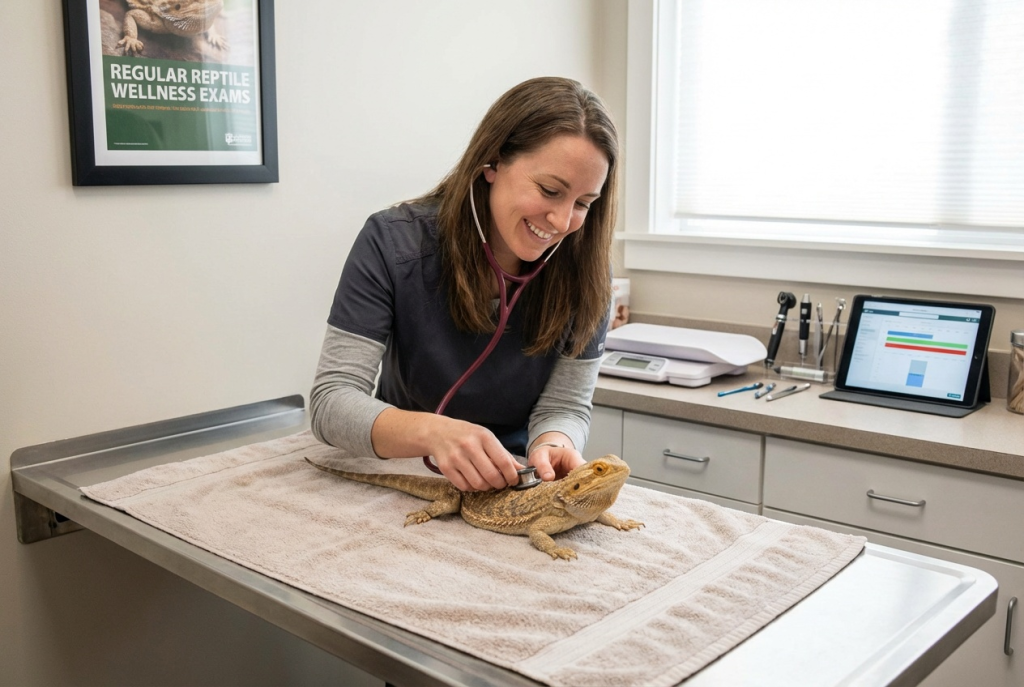

Understanding why regular reptile vet checkups are vital can completely change the way you care for your reptile. Many reptile owners assume that their animals are low-maintenance because they seem quiet, calm, or slow to show signs of discomfort. However, reptiles are masters at hiding illness. In the wild, weakness attracts predators, so reptiles evolved to mask symptoms until problems become severe. Because of this instinct, many health conditions remain unnoticed until they reach dangerous levels.
Regular reptile vet checkups act as your first line of defense. These visits uncover hidden issues, prevent long-term complications, and create a clearer picture of your reptile’s overall health. While daily husbandry habits matter, veterinary care offers professional insight that goes far beyond what you can see at home. When you prioritize consistent checkups, you support a healthier, longer, and more comfortable life for your reptile companion.
Many reptile illnesses start quietly and progress slowly. Without early diagnosis, these conditions can become life-threatening. Regular examinations help you catch concerns before they escalate. They also keep you informed about proper habitat conditions, nutrition, parasite control, and behavioral changes. Because reptile health depends heavily on environment, small adjustments can make major differences. A vet who specializes in reptiles can identify issues that even experienced keepers might overlook.
Ultimately, regular reptile vet checkups are vital because they bridge the gap between what owners observe and what reptiles actually need. When veterinary support becomes part of your routine, your reptile benefits from stronger immunity, better living conditions, and reduced stress.
Why Reptiles Need Specialized Veterinary Care
Reptiles have unique biological systems, and their care differs significantly from that of mammals. They require specific temperatures, humidity levels, lighting cycles, and diet formats to survive. Even minor imbalances can affect organ function, metabolism, shedding cycles, and digestion. Because of this, a general veterinarian may not fully understand reptile-specific requirements.
A reptile veterinarian understands:
• Temperature-dependent immune responses
• Humidity-related shedding issues
• Calcium metabolism and UVB needs
• Parasite types specific to reptiles
• Subtle behavior cues that indicate illness
• Nutritional imbalances that cause long-term damage
When you rely on a qualified reptile vet for regular exams, you gain access to specialized knowledge that supports your reptile’s overall wellbeing.
Additionally, reptiles react to illness differently than many pets. Instead of vocalizing pain or showing obvious distress, they may simply move less, eat less, or hide more. These subtle signs are easy to miss. A trained reptile vet knows how to interpret them through physical exams, imaging, fecal tests, bloodwork, and environmental analysis.
The Hidden Nature of Reptile Illness
Reptiles mask illness instinctively. Because they rely heavily on avoiding predators rather than fighting them, showing weakness becomes a risk. Even in captivity, where predators are not present, this survival behavior continues.
Some reptiles display only minor symptoms such as:
• Reduced appetite
• Mild lethargy
• Slight color change
• Slower movement
• Quiet hiding
• Occasional skipping of meals
These signs may seem harmless or temporary. Yet they often signal underlying problems such as infections, parasites, organ dysfunction, or husbandry errors. Regular reptile vet checkups are vital because professionals detect abnormalities early—long before they become emergencies.
Illnesses like metabolic bone disease, respiratory infections, and internal parasites may progress unnoticed for weeks. By the time the symptoms become obvious at home, the reptile may already need intensive treatment. Early veterinary intervention prevents such outcomes.
How Regular Reptile Vet Checkups Improve Lifespan
Routine exams give your veterinarian a baseline for your reptile’s normal behavior and physical condition. With this baseline, the vet can monitor trends over time instead of reacting only when a crisis occurs. Trends such as weight changes, muscle tone differences, hydration levels, or respiratory patterns reveal health insights that owners can easily miss.
Long-term benefits include:
• Early detection of chronic diseases
• Prevention of nutritional deficiencies
• Reduced risk of severe infections
• Better reproductive health
• More accurate habitat recommendations
Because many reptiles live long lives, early health management becomes essential. Tortoises can live for decades, and many snakes live beyond 20 years. Regular reptile vet checkups are vital for maintaining health throughout these long lifespans.
The Importance of Annual Exams for Reptiles
Just like dogs and cats benefit from yearly checkups, reptiles need regular evaluations too. While some species may require exams every six months, an annual appointment serves as the minimum baseline for most healthy reptiles.
During an annual exam, a reptile vet typically performs:
• A full physical examination
• A fecal test for parasites
• Weight and body condition scoring
• Skin and shedding assessments
• Oral and respiratory evaluation
• UVB and temperature review
• Diet evaluation
• Enclosure analysis
These steps ensure that your reptile has the correct environment, nutrition, and health support to thrive. Even a slight temperature misalignment or nutritional deficiency can impact your reptile significantly. Because reptiles cannot adjust their internal temperature without external heat sources, external care matters tremendously.
Annual exams help identify issues early and correct them before they affect your reptile’s quality of life.
How Environmental Errors Lead to Health Problems
One of the leading causes of reptile illness is improper husbandry. Even well-meaning owners may misjudge what their reptile needs. For example, a basking light that is too weak may cause chronic low body temperatures. A humidity level that’s too low can create shedding problems or respiratory stress. Incorrect UVB lighting can lead to metabolic bone disease.
Regular reptile vet checkups are vital because they include a detailed discussion of your reptile’s habitat. A vet evaluates:
• Temperature gradients
• Humidity levels
• UVB output
• Enclosure size
• Substrate safety
• Feeding frequency
• Diet composition
• Lighting cycles
Small environmental adjustments made after a vet visit can significantly improve your reptile’s health. Because reptiles rely entirely on their enclosure for survival, understanding how to perfect that environment becomes essential.
Parasite Prevention and Detection
Parasites are common in reptiles, even in captive-bred individuals. Internal parasites affect digestion, weight, hydration, and energy levels. External parasites irritate skin and lead to infections if left untreated.
Symptoms may include:
• Soft stools
• Weight loss
• Regurgitation
• Loss of appetite
• Irritated skin
However, many reptiles show no visible symptoms at all. That’s why regular reptile vet checkups are vital—fecal exams detect parasites long before symptoms develop.
Timely treatment prevents parasites from spreading, worsening, or becoming life-threatening. Routine exams also ensure that treatments remain effective and that reinfection does not occur.
Nutrition and Its Role in Reptile Health
Proper nutrition shapes every aspect of reptile health. Each species requires a unique diet, and nutritional errors are among the most common causes of illness.
Problems arise from:
• Calcium deficiencies
• Incorrect supplementation
• Overfeeding or underfeeding
• Poor insect variety
• Unsafe produce choices
• Lack of gut-loaded feeders
• Improper protein ratios
During a regular exam, a reptile vet analyzes your pet’s diet and suggests corrections. These changes help prevent issues such as metabolic bone disease, gout, obesity, and organ stress. Because many reptiles rely on precise calcium-to-phosphorus ratios, even minor imbalances may create long-term harm.
Veterinary guidance ensures the diet evolves with your reptile’s age, activity, and health changes.
Preventing Metabolic Bone Disease
Metabolic bone disease (MBD) is one of the most common—and preventable—reptile illnesses. It results from improper UVB exposure or incorrect calcium balance. MBD affects bone density, muscle function, appetite, and mobility.
Signs include:
• Tremors
• Weak limbs
• Soft shell (in turtles)
• Jaw deformities
• Lethargy
Regular reptile vet checkups are vital because early signs of MBD are subtle. A trained vet can detect the earliest indicators and recommend corrections before the disease progresses.
How Stress Impacts Reptile Health
Stress weakens immunity, disrupts appetite, and raises susceptibility to illness. While stress is not always visible, its effects accumulate quickly in reptiles. Enclosure setup errors, frequent handling, loud environments, or cohabitation can all create stress.
Vets identify stress indicators and help you adjust factors to restore calm. Because a relaxed reptile is a healthy reptile, stress management is essential.
Breeding and Reproductive Health Concerns
Breeding reptiles may experience complications such as egg binding, hormonal imbalances, or malnutrition. These issues can escalate rapidly and require professional care.
Regular reptile vet checkups are vital for breeding animals because they ensure:
• Proper calcium reserves
• Safe reproductive cycles
• Healthy weight
• Adequate muscle tone
• Early detection of complications
Reproductive health problems can be fatal if untreated, so consistent veterinary guidance keeps breeding reptiles safe.
When to Schedule Extra Vet Visits
Annual exams serve as the baseline, but additional visits are needed when:
• Appetite changes persist
• Shedding becomes irregular
• Behavior shifts suddenly
• Weight fluctuates
• A respiratory sound appears
• Stool consistency changes
• Lethargy increases
• Injuries occur
Even small changes may indicate larger concerns. Scheduling prompt visits ensures early treatment.
The Long-Term Value of Reptile Health Records
Each vet visit builds a comprehensive health history. Over time, these records help veterinarians identify patterns and predict health issues before they worsen. Consequently, regular reptile vet checkups are vital for building long-term wellness strategies.
Records track:
• Growth
• Weight trends
• Organ function
• Diet changes
• Environmental updates
• Behavioral patterns
These insights support better care, making future interventions more successful.
Conclusion
Regular reptile vet checkups are vital for maintaining long-term health, preventing hidden illnesses, and ensuring your reptile enjoys a safe, comfortable life. Because reptiles hide symptoms instinctively, only a trained professional can identify early warning signs and recommend proper environmental, nutritional, and medical adjustments. When you commit to consistent veterinary care, you protect your reptile from preventable conditions and create a foundation for lifelong wellness. With the right support, your reptile thrives—healthy, alert, and stress-free.
FAQ
1. How often should my reptile see a vet?
Most reptiles need at least one annual checkup, though some require visits every six months.
2. Why don’t reptiles show symptoms early?
Reptiles instinctively hide illness because it protects them from predators in the wild.
3. Are general vets qualified to treat reptiles?
Not always. A reptile-experienced veterinarian provides far better care.
4. What should I bring to my reptile’s vet appointment?
Bring photos of the enclosure, feeding details, supplements, and temperature records.
5. Can regular checkups prevent serious diseases?
Yes. Routine exams catch problems early and help prevent long-term complications.