
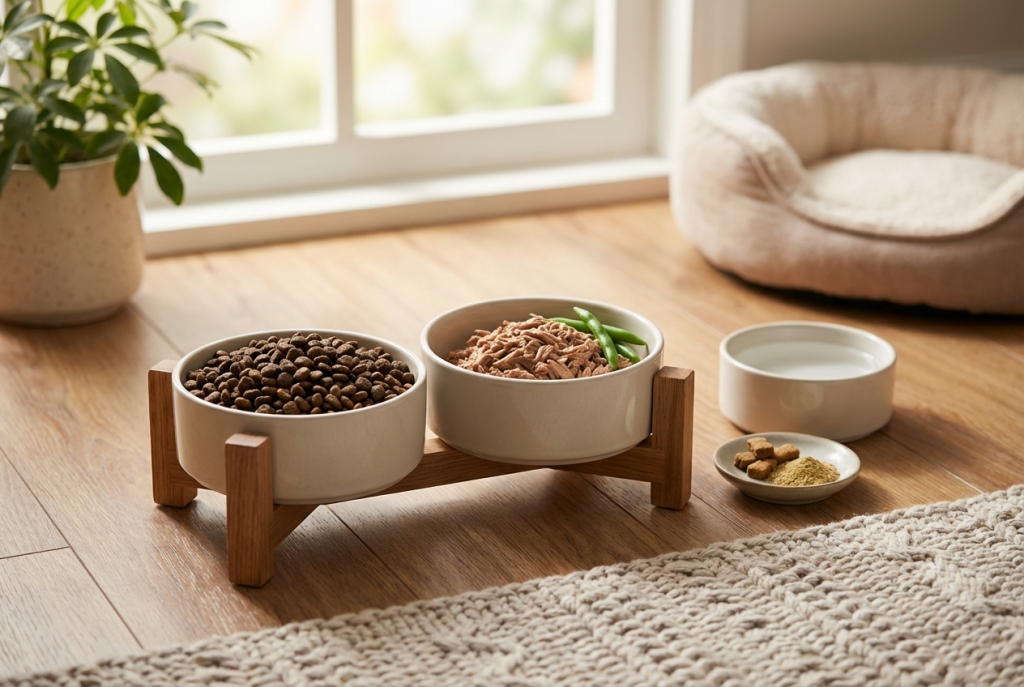

Learning how to feed indoor cats properly is one of the most effective ways to support their long-term health. Indoor cats live safer lives, but they also burn fewer calories and rely entirely on the food you provide. Because of this, their diet needs careful attention. Without the right balance, indoor cats gain weight easily, lose muscle tone, or develop nutritional deficiencies that affect their daily comfort.
Obesity is one of the most common health issues in indoor cats. It creeps in slowly, often unnoticed, until the cat becomes less active, more tired, and significantly heavier. Yet, with the right feeding strategy, you can prevent these problems and help your cat maintain a healthy, lean body. Feeding indoor cats properly means understanding their nutritional needs, adjusting portion sizes, and creating routines that support their natural instincts.
When you feed indoor cats with intention, you improve more than their weight. You boost their energy, support their joints, sharpen their minds, and even reduce behavior problems. Food becomes more than nutrition — it becomes a foundation for lifelong wellbeing.
Why Feeding Indoor Cats Properly Matters
Indoor cats have a different lifestyle than outdoor cats. They move less, spend more time resting, and rarely face environmental challenges that require extra energy. Because of this, they need fewer calories and a more strategic balance of nutrients. Many commercial cat foods don’t take this difference into account, leading to weight gain and sluggishness.
Feeding indoor cats properly also helps prevent chronic diseases. Obesity increases the risk of diabetes, arthritis, heart problems, and digestive issues. When your cat stays lean, their body functions more efficiently, and their organs experience less stress. A proper diet improves coat quality, reduces shedding, and strengthens the immune system.
Additionally, feeding indoor cats correctly supports their natural behaviors. Cats thrive on routine and predictable feeding schedules. When you create a consistent diet plan, you reduce anxiety and help your cat feel more secure.
Cats are happiest when their diet meets their instincts, satisfies their hunger, and supports their activity level.
Understanding Indoor Cats’ Nutritional Needs
Before you can feed indoor cats properly, you need to understand what their bodies require. Cats are obligate carnivores, meaning they depend on animal-based proteins to survive. Their digestive systems evolved for high-protein, moderate-fat diets with very few carbohydrates. Unfortunately, many commercial foods contain fillers that don’t benefit cats.
When feeding indoor cats, focus on protein first. Protein supports muscle strength, metabolic health, and energy levels. Healthy fats provide essential fatty acids that support skin, coat, brain function, and immunity. Carbohydrates, although tolerated in small amounts, should remain minimal in a cat’s diet.
Indoor cats also need fiber. Fiber helps control hairballs, supports digestion, and assists with weight management. However, too much fiber can cause bloating or discomfort. Balance is key.
Vitamins and minerals play essential roles, too. Taurine, an amino acid, is critical for heart health and vision. Calcium and phosphorus support bones and teeth. B vitamins enhance energy and nervous system function.
When your cat receives all these nutrients in proper proportions, their body operates smoothly, and their weight remains stable.
How Much Should You Feed Indoor Cats?
Portion control is one of the most important parts of feeding indoor cats properly. Many cats gain weight simply because they’re given too much food or free-fed throughout the day. Cats are natural grazers, but free-feeding leads to overeating and boredom snacking.
To determine the right amount, check your cat food’s feeding guidelines, but adjust based on activity level, age, and body condition. Many indoor cats need fewer calories than the package recommends. A typical indoor adult cat requires about 20 calories per pound of body weight daily, but this varies by metabolism.
Split meals into two or three smaller feedings throughout the day. This supports your cat’s natural hunting pattern — in the wild, cats eat multiple small meals. It also helps stabilize blood sugar and reduces begging behavior.
Measure food with a scoop or scale. Eye-balling portions almost always leads to overfeeding. When you feed indoor cats properly by measuring consistently, you prevent weight creep before it becomes a long-term issue.
Choosing the Right Food to Feed Indoor Cats Properly
Not all cat foods are created equal. When feeding indoor cats, you want foods high in protein, moderate in fat, and low in carbohydrates. Look for products that list real meat, poultry, or fish as the first ingredient.
Avoid foods with excessive fillers like corn, wheat, soy, or artificial additives. These ingredients offer little nutritional value and may contribute to weight gain or digestive issues.
Indoor formulas are often marketed as “light,” but some contain too much fiber or too little protein. Instead of focusing solely on labels, check the ingredient list and nutrient percentages.
High-quality indoor diets prioritize lean proteins, healthy fats, and controlled calories. When paired with appropriate feeding routines, these foods help maintain ideal weight and energy balance.
Wet food can benefit indoor cats because it increases hydration and provides fewer calories per serving. Cats naturally have low thirst drive, so wet food helps prevent kidney stress. Many owners feed a combination of wet and dry food for balance.
Creating a Feeding Routine for Indoor Cats
Consistency plays a major role when you feed indoor cats properly. A predictable schedule helps regulate appetite, digestion, and energy.
Feed indoor cats at the same times every day. Choose morning and evening meals, or add a midday feeding if your schedule allows. Cats enjoy routine because it mirrors natural hunting patterns.
Avoid feeding too late at night, as this may encourage nighttime wakefulness. If your cat becomes hungry overnight, consider using an automatic feeder with a small portion to maintain their rhythm.
Keep feeding stations quiet and free from stress. Cats prefer to eat in calm environments where they feel safe. Multi-cat households may require separate feeding stations to prevent resource guarding.
Clear routines reduce anxiety and prevent overeating caused by boredom or insecurity.
How to Use Enrichment Feeding to Support Weight and Health
Enrichment feeding transforms mealtime into an engaging, stimulating activity. Because indoor cats lack natural hunting opportunities, enrichment feeding exercises their bodies and minds.
Puzzle feeders encourage slow eating, preventing overeating and digestive discomfort. They also satisfy a cat’s need to problem-solve. Food-dispensing balls encourage movement and exploration. Hiding small portions around the house stimulates natural hunting behavior, increasing calorie burn.
Elevated feeding stations can encourage light exercise because cats jump and climb to reach them. Rotating feeding toys keeps your cat mentally sharp and prevents boredom.
When you feed indoor cats properly with enrichment tools, their weight remains stable, and their wellbeing improves significantly.
Preventing Obesity in Indoor Cats
Obesity doesn’t happen overnight. It builds through small daily habits, like giving extra treats or letting food bowls stay full. However, once weight gain sets in, it becomes harder for cats to move comfortably and maintain muscle.
To prevent obesity, monitor your cat’s weight monthly. Observe their waistline, ribs, and muscle tone. Healthy cats have a visible waist and easily felt ribs without pressure.
Limit treat intake. Treats should make up no more than 10% of daily calories. Choose protein-rich treats over sugary or high-carb options.
Increase activity with play. Even ten minutes of daily movement can help regulate weight. Indoor cats rely on you to provide physical stimulation, so play often and with enthusiasm.
Feeding indoor cats properly means preventing unhealthy habits before they start.
Hydration and Indoor Cat Health
Hydration affects weight, digestion, kidney function, and energy levels. Many indoor cats do not drink enough water, especially if they eat mostly dry food.
Provide multiple water stations around your home. Cats prefer fresh, moving water, so consider a fountain. Wet food adds moisture while supporting urinary health.
Hydration improves digestion and prevents constipation, which is common in indoor cats with low activity levels. Proper hydration also supports metabolism and weight regulation.
Feeding indoor cats properly includes ensuring healthy water intake every day.
Feeding Indoor Cats Based on Age
Age affects nutritional needs. Kittens require more calories, healthy fats, and high protein. Adults need balanced nutrients with controlled calories. Seniors need easily digestible foods with joint support and moderate protein.
When feeding indoor cats by age, consider:
• Kittens: small frequent meals, high protein
• Adults: lean proteins, portion control, balanced nutrients
• Seniors: joint-support supplements, soft foods if needed
Adjust food as your cat ages to maintain ideal weight and comfort.
Managing Multiple Indoor Cats at Mealtime
Feeding multiple indoor cats can become complicated. Some cats eat too fast, while others graze. Dominant cats may bully shy cats away from food.
Use separate feeding areas to prevent tension. Close doors or use feeding stations at different heights. Automatic feeders can help ensure fair access.
Monitor each cat individually to ensure they maintain a healthy weight. Feeding indoor cats properly becomes more effective when all cats have equal opportunities to eat calmly.
When to Adjust Your Indoor Cat’s Diet
You may need to adjust diet when:
• Your cat gains or loses weight
• Coat quality changes
• Energy level shifts
• Digestive issues appear
• Your vet identifies a health concern
Cats cannot communicate discomfort directly, so their behavior becomes your guide.
Feeding indoor cats properly also means staying aware and flexible as your cat’s needs evolve.
Conclusion
Learning how to feed indoor cats properly gives your cat the best chance at a long, healthy, and joyful life. By choosing the right foods, measuring portions, creating reliable routines, and offering enrichment feeding, you help your cat maintain ideal weight and thrive indoors. Nutrition shapes your cat’s entire wellbeing, from energy to digestion to emotional balance. When you feed with intention and attention, you strengthen your bond and support your cat’s comfort every single day. Proper feeding is more than a routine — it’s a lifelong gift.
FAQ
1. How many times a day should I feed my indoor cat?
Two to three meals daily work well because they support routine and prevent overeating.
2. What is the best type of food for indoor cats?
High-protein, low-carb foods with real meat as the first ingredient are ideal.
3. How do I know if my cat is overweight?
Check for a waistline, palpable ribs, and overall body shape. Vets use body condition scores for accuracy.
4. Are treats okay for indoor cats?
Yes, but treats should be less than 10% of daily calories to prevent weight gain.
5. Should indoor cats eat wet or dry food?
A mix often works best. Wet food improves hydration, and dry food can support dental health when used mindfully.