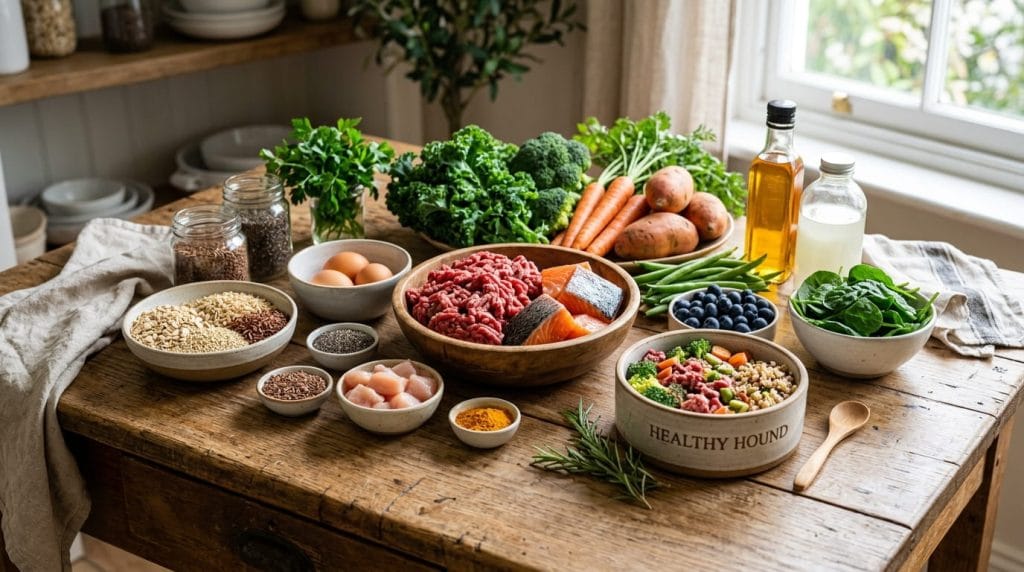
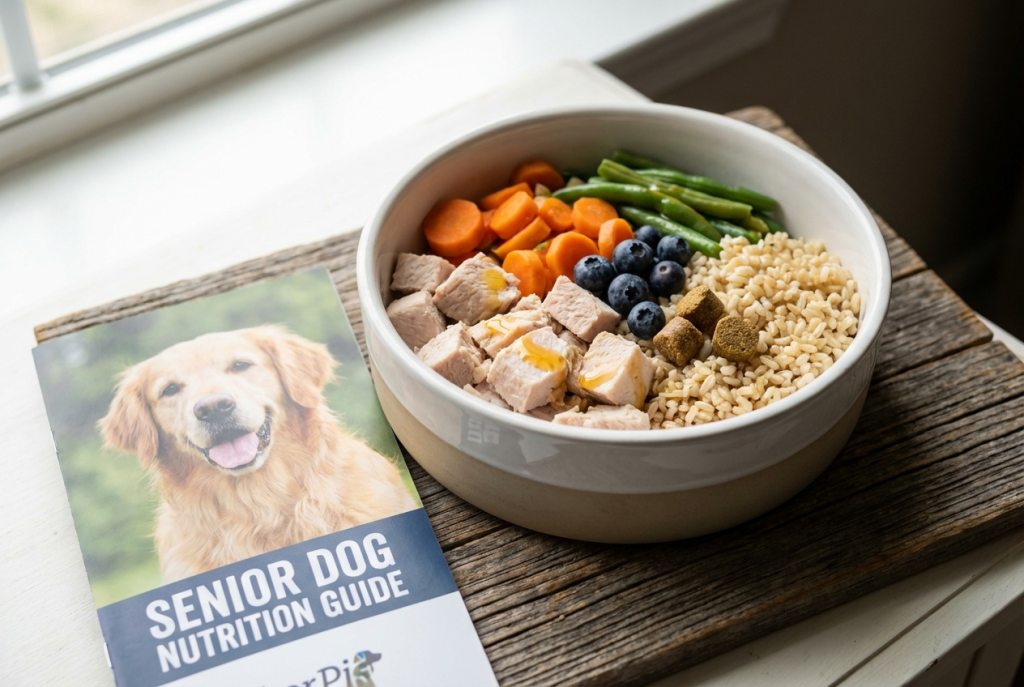

Understanding the best diet for senior dogs with aching joints is one of the most important steps you can take to support your aging companion. As dogs get older, their nutritional needs shift. Their bodies change, their metabolism slows, and their joints begin showing the strain of years of movement. Because of this, choosing the right food becomes essential for reducing inflammation, easing discomfort, and improving mobility.
If your senior dog hesitates before standing, moves more slowly than before, or avoids stairs and jumps they once handled easily, joint pain may be the cause. These subtle changes often appear long before owners realize their dog is uncomfortable. However, diet has a remarkable effect on joint health. With the right ingredients and nutrient balance, you can help your dog regain energy, reduce stiffness, and feel more like their younger self.
Many dogs experience joint issues as they age, but through supportive nutrition, you can give them a stronger foundation for movement. The best diet for senior dogs focuses on anti-inflammatory foods, high-quality proteins, and targeted supplements that work together to nourish cartilage, lubricate joints, and reduce ongoing stress. The earlier you adjust your dog’s diet, the better their long-term comfort will be.
Why Diet Matters for Senior Dogs with Joint Pain
Food is fuel, but it’s also medicine. When you choose the best diet for senior dogs with aching joints, you support their body’s ability to repair tissues, produce anti-inflammatory responses, and maintain strong muscles. Senior dogs rely heavily on nutrition because their bodies recover more slowly, and they need support that younger dogs often produce naturally.
Joints weaken over time due to cartilage wear, reduced synovial fluid, and inflammation. A diet high in inflammatory ingredients makes this process worse. Many common dog foods contain fillers like corn, soy, artificial colors, and low-quality proteins, all of which can lead to inflammation. Senior dogs especially benefit from cleaner, more targeted formulas that nourish joints instead of stressing them.
Additionally, muscle loss is common in aging dogs, and weaker muscles place more pressure on joints. High-quality protein helps maintain muscle mass and stabilize the joints themselves. Because movement depends on both joint and muscle health, a balanced diet becomes one of the most effective tools for improving mobility.
When you feed the best diet for senior dogs, you give your dog the nutrition they need to face aging with strength and comfort.
Key Ingredients in the Best Diet for Senior Dogs with Aching Joints
The best diet for senior dogs with aching joints includes specific nutrients that support mobility, reduce inflammation, and promote healthy cartilage. While many commercial foods claim to be “senior-friendly,” the real difference lies in their ingredient quality and nutrient density. Understanding what to look for helps you choose the healthiest options for your dog.
High-Quality Animal Protein
Protein is essential because it helps maintain muscle mass, which directly supports joint stability. Older dogs need protein more than many people realize. Look for foods that list real meat—such as chicken, turkey, beef, salmon, or lamb—as the primary ingredient.
Protein helps rebuild tissues and keep muscles strong enough to ease pressure on weak joints. Because senior dogs benefit from digestible protein sources, avoid foods containing by-products, meals, or generic meat ingredients.
Omega-3 Fatty Acids
Omega-3 fatty acids from fish oil, krill oil, or algae are crucial in the best diet for senior dogs. These fats reduce inflammation, ease joint stiffness, and improve mobility. EPA and DHA are the most effective omega-3s for joint support.
Adding omega-3s to your dog’s diet can create noticeable improvements within weeks. Many owners report smoother movement and less morning stiffness after consistent use.
Glucosamine and Chondroitin
These two compounds are the backbone of joint support supplements. They help rebuild cartilage, improve joint lubrication, and slow age-related deterioration. Foods formulated for joint support often include glucosamine and chondroitin, but you can also add them through separate supplements if needed.
When included in the best diet for senior dogs, glucosamine and chondroitin work together to support long-term mobility.
Antioxidants
Antioxidants combat free radicals that worsen inflammation and accelerate joint damage. Senior dogs benefit from vitamins C and E, blueberries, spinach, carrots, and other antioxidant-rich ingredients.
Antioxidants also strengthen the immune system, helping older dogs stay healthier longer.
Low-Carb, Low-Filler Formulas
Cheap fillers like corn, wheat, and soy contribute to inflammation. Because senior dogs need fewer calories but higher nutrient density, choose formulas with limited carbohydrates and no artificial additives.
Reducing unnecessary fillers helps stabilize weight, improving joint pressure and overall mobility.
Digestive Support
Older dogs often struggle with digestion. Probiotics, prebiotics, and easily digestible fibers help maintain gut health, which indirectly reduces inflammation. A healthy gut supports every system in the body, including joints.
Ingredients like pumpkin, sweet potato, and chicory root support digestion and provide gentle fiber.
Choosing the Right Food Type for Senior Dogs
The best diet for senior dogs with aching joints doesn’t always come in a one-size-fits-all package. Every dog is different, which means food form and preparation matter too.
Dry Food (Kibble)
Kibble is convenient and can be effective if the formula includes anti-inflammatory ingredients and high-quality proteins. Many senior-specific kibbles now contain joint-support nutrients, making them a strong choice for daily feeding.
If your dog struggles to chew, soften the kibble with warm water or bone broth.
Wet Food
Wet food contains more moisture, which supports hydration and kidney function—both vital for senior dogs. Because it’s easier to chew and digest, wet food often works well for dogs with dental issues.
Look for wet foods with natural meats, minimal fillers, and added omega-3s.
Fresh or Frozen Meals
Fresh food diets offer excellent quality and digestibility. Many contain whole ingredients, lean proteins, and added joint-support supplements. These diets mimic natural eating patterns and are easy on sensitive stomachs.
Homemade Diets
Homemade diets can provide outstanding nutrition if you follow balanced recipes. Always consult a veterinary nutritionist before feeding long-term homemade meals to ensure your dog receives complete nutrients.
Raw Diets
Raw diets remain popular but require proper handling and professional guidance. Some dogs thrive on raw feeding, but immune-compromised senior dogs may have higher risks. Speak with your veterinarian before choosing this path.
Joint-Friendly Supplements to Support Senior Dogs
Even the best diet for senior dogs benefits from additional supplements. Because joint deterioration is progressive, supplements help fill nutritional gaps and offer targeted support.
Fish Oil
Rich in omega-3s, fish oil reduces inflammation and improves joint lubrication. Always choose high-quality, purified fish oils.
Green-Lipped Mussel
This natural ingredient contains powerful anti-inflammatory compounds that support mobility. Many senior dog owners see significant improvement with consistent use.
Turmeric (Curcumin)
Curcumin provides strong anti-inflammatory benefits. When paired with black pepper extract, its absorption increases dramatically.
Collagen
Collagen supports cartilage health and joint elasticity. Senior dogs need it more as their natural production decreases.
MSM (Methylsulfonylmethane)
MSM reduces inflammation and supports connective tissues. It works well when combined with glucosamine and chondroitin.
How Weight Management Supports Joint Health
Even the best diet for senior dogs cannot improve mobility if your dog is overweight. Extra weight puts enormous pressure on aging joints, increasing pain and accelerating deterioration.
Weight management begins with calorie control. Choose high-quality foods with controlled fat levels and avoid unnecessary treats. Incorporate low-impact movement, such as short walks or gentle swimming, to build muscle without stressing the joints.
Weight loss not only reduces pain but also improves energy, mood, and long-term health. Many senior dogs rediscover their playful nature once the excess weight is gone.
Signs Your Dog May Need a Joint-Support Diet
You may wonder whether your dog needs extra help. Senior dogs often hide discomfort, so watch for subtle signs.
Common indicators include:
• Hesitation when standing
• Slow climbing or difficulty with stairs
• Limping or stiffness after resting
• Reduced interest in play
• Irritability during grooming
• Slipping on floors
• Difficulty jumping onto furniture
If you notice these signs, the best diet for senior dogs enriched with joint-support nutrients can make a huge difference.
Sample Meal Ideas for Senior Dogs with Joint Pain
To help you visualize a supportive routine, consider these simple meal ideas:
1. Salmon and Sweet Potato Bowl
Rich in omega-3s and antioxidants, this combo supports joint lubrication and digestion.
2. Chicken, Brown Rice, and Pumpkin
This gentle recipe provides lean protein, mild fiber, and soothing nutrients for sensitive stomachs.
3. Turkey and Vegetable Stew
Loaded with vitamins and minerals, this stew keeps senior dogs nourished without heavy fillers.
These meals can supplement commercial diets or serve as toppers to boost nutrient density.
How Hydration Supports Joint Health
Hydration is often overlooked, yet it plays a major role in joint comfort. Proper hydration helps maintain synovial fluid, which lubricates the joints. Senior dogs sometimes drink less, making hydration even more important.
Add bone broth to meals, offer wet food more often, or provide multiple water bowls throughout your home. Moisture-rich diets can significantly improve joint function.
Transitioning Your Senior Dog to a New Diet
When switching to the best diet for senior dogs, transition slowly. Sudden changes can cause digestive upset. Mix a small amount of the new food with the old food over the course of one to two weeks. Increase the new food gradually until the transition is complete.
Monitor your dog during this process. Look for improvements in energy, digestion, and mobility. If any adverse reactions occur, consult your veterinarian.
Conclusion
Feeding the best diet for senior dogs with aching joints offers your dog a path to greater comfort, mobility, and quality of life. Through high-quality proteins, anti-inflammatory nutrients, joint-support supplements, and consistent hydration, you can significantly ease your dog’s daily discomfort. Even small dietary changes can create meaningful improvements. With time, patience, and the right nutritional choices, your senior dog can enjoy their golden years with strength, ease, and joy.
FAQ
1. What is the most important ingredient for joint health in senior dogs?
Omega-3 fatty acids are crucial because they reduce inflammation and support joint lubrication.
2. How long does it take to see improvement after changing a senior dog’s diet?
Most dogs show progress in two to six weeks, depending on the severity of their joint issues.
3. Can supplements replace a joint-support diet?
Supplements help, but they work best when paired with a balanced, joint-friendly diet.
4. Should overweight senior dogs eat a special diet?
Yes. Weight management diets reduce joint pressure and support long-term mobility.
5. Is homemade food good for senior dogs with joint pain?
It can be, but homemade diets must be nutritionally balanced. Consult a veterinary nutritionist before feeding long term.