Learning how to litter train guinea pigs and rabbits easily can transform your entire pet-care routine. Although many owners assume small animals can’t learn litter habits, both guinea pigs and rabbits naturally prefer using the same spots for bathroom behavior. Because of this instinct, gentle guidance helps them adopt clean routines quickly. When you combine the right setup, consistent cues, and positive reinforcement, your pets begin to understand exactly where to go.
Litter training also helps reduce cage odors, keeps floors cleaner, and makes daily maintenance far more manageable. Even better, your pets become more confident and relaxed when they live in a clean, predictable environment. Despite what some people believe, litter training isn’t complicated. It simply requires observation, patience, and a training space designed around your pet’s instincts. When you follow these steps, the process feels almost effortless.
Whether you’re working with one rabbit, a pair of guinea pigs, or an entire group of small pets, you can teach them bathroom boundaries that fit your home routine. Because the methods are gentle and natural, your pets learn without stress and begin forming lasting habits that make life easier for everyone involved.
Understanding Why Small Pets Can Be Litter Trained
Before learning how to litter train guinea pigs and rabbits easily, it helps to understand why they’re capable of training in the first place. Both species rely heavily on scent and territory. They often pick one or two preferred bathroom areas inside their enclosure. This preference becomes your training advantage.
Rabbits become excellent candidates for litter training because they like keeping their living space clean. In the wild, they use separate areas for resting, eating, and waste. Guinea pigs behave similarly. They also tend to choose corners or hiding areas for consistent bathroom habits. When you identify these patterns, you can place a litter box exactly where they prefer to go.
Because small pets thrive on routine, introducing a litter system creates a natural flow that becomes easier with repetition. Over time, they start connecting the box with bathroom behavior automatically. This instinct-driven approach is what turns litter training into a gentle, stress-free process.
Understanding the species you’re training makes success far more predictable. Once you know what motivates their behavior, you can adjust your home setup to support clean habits right from the start.
Setting Up the Ideal Environment for Training
The environment you create plays a crucial role in helping you litter train guinea pigs and rabbits easily. A good setup uses your pet’s natural behavior as the guide. Begin by choosing the right size enclosure. Cramped cages lead to random bathroom habits because pets don’t have enough space to separate eating and resting zones.
Place the litter box in the corner where your pet already tends to relieve themselves. This approach works better than trying to force a new spot. Because rabbits and guinea pigs already prefer specific areas, following their instinct reduces confusion and speeds up training.
Choose a litter box with low entry sides. Rabbits and guinea pigs both prefer easy access. A steep box edge can discourage use, especially for young or older pets.
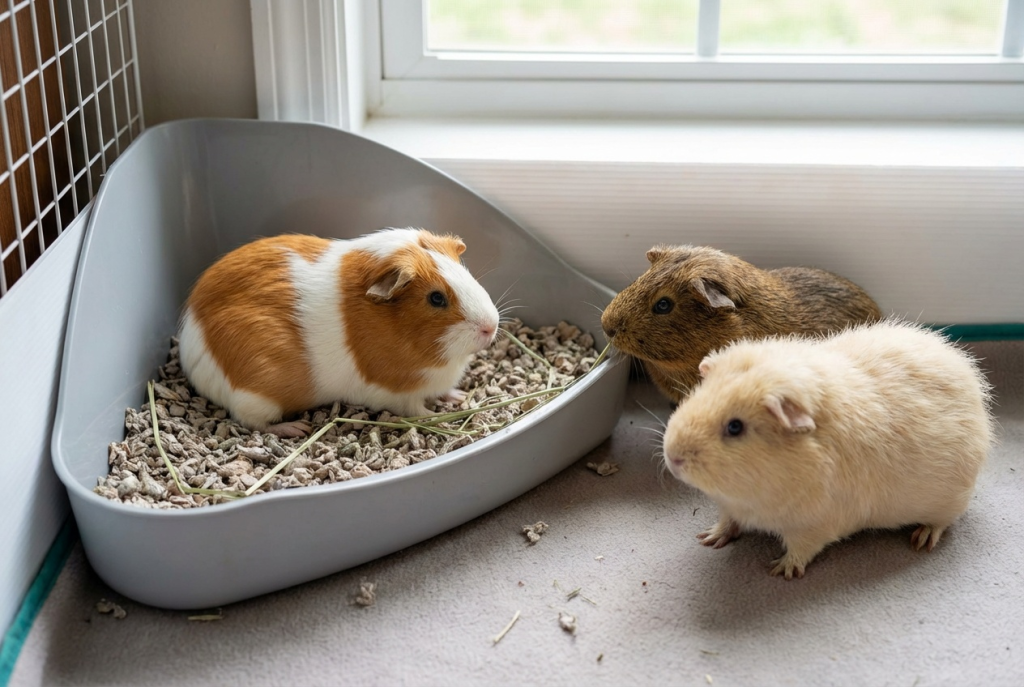
Use pet-safe, paper-based litter. Avoid clumping cat litter or scented litter products. These can irritate their skin, cause digestive issues, or trigger respiratory discomfort. Adding a handful of hay to the litter box encourages use because many pets like to snack while they sit. It may seem odd, but this simple trick often accelerates training dramatically.
Next, place bedding only in areas where you want your pets to rest. This creates a visual and scent-based difference between their sleeping zone and their bathroom area. Consistent environmental cues help reinforce the boundaries you’re teaching.
When your environment supports the training process, your pets begin picking up the routine much faster than you expect.
How to Litter Train Rabbits Easily
Training rabbits becomes straightforward when you understand their habits. Rabbits like predictability, and they quickly recognize patterns. To litter train rabbits easily, observe their behavior in the enclosure. Most rabbits choose one or two corners as their bathroom spot. Position the litter box there and make the space attractive with hay.
As you begin training, keep your rabbit in a smaller, controlled area. This reduces accidents and strengthens the association between the litter box and bathroom behavior. Small spaces increase the likelihood that your rabbit will choose the box simply because it’s conveniently located.
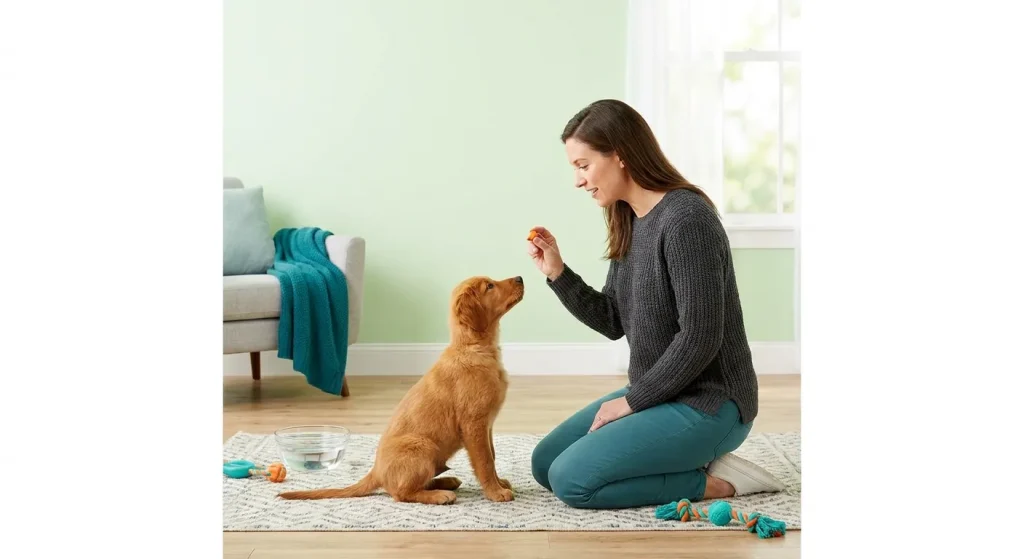
Each time your rabbit uses the box, reward them gently. A small treat or soothing praise helps reinforce the behavior. Even though rabbits don’t need heavy reinforcement, positive associations help them learn faster.
When your rabbit has accidents, clean the area thoroughly with an odor-neutralizing formula. If any scent remains, your rabbit may continue using that spot. Always avoid scolding or startling your rabbit. Punishment disrupts trust and delays progress. Calm training encourages long-term success.
Once your rabbit consistently uses the box in a small area, gradually expand their space. Allow them access to larger rooms one at a time. Place additional boxes in new areas so they always know where to go. With time, your rabbit learns that each space has a designated bathroom spot.
Because rabbits appreciate routine, your patience pays off quickly. Most rabbits adapt fully in a short period, especially when training is consistent.
How to Litter Train Guinea Pigs Easily
Teaching guinea pigs may take slightly longer than training rabbits, but the process remains simple. To litter train guinea pigs easily, focus on their natural corner preferences. Guinea pigs often use the same spot repeatedly, which makes training highly achievable.
Start by placing a small litter tray in their preferred corner. Make sure the tray fits their size comfortably. Add paper pellets or a similar safe material. Then, introduce a bit of soiled bedding into the tray during early stages. This scent cue helps them recognize the new bathroom boundary.
Because guinea pigs are sensitive to change, avoid rearranging the enclosure too often. Stability helps them feel secure, and security strengthens training success. Clean the tray daily but leave a small amount of used litter during early sessions. This teaches your guinea pigs that the tray belongs to their bathroom routine.
Reward guinea pigs with soft verbal praise or a tiny vegetable treat when they use the box. Although guinea pigs might not respond as dramatically as rabbits, they still pick up on consistent positive reinforcement.
If accidents occur, place a portion of the soiled bedding in the litter box. This gentle cue often redirects their behavior naturally. Gradually, you’ll notice fewer messes in other areas as your guinea pigs understand the designated space.
Even though guinea pigs don’t become 100% reliable like some rabbits, they still achieve significant improvements with consistent training.
Consistency: The Secret to Successful Litter Training
No matter which species you’re working with, consistency is the secret to litter train guinea pigs and rabbits easily. Training succeeds when routines stay predictable. Set a daily schedule for cleaning, feeding, and out-of-cage time. Your pets learn faster when their environment stays familiar.
Consistency also makes your expectations clear. When you always place the litter box in the same spot, your pet forms a habit more quickly. When you reward good behavior consistently, they learn what earns positive experiences.
Avoid moving the litter box around during early stages. This creates confusion and delays progress. Once habits are fully formed, you may adjust placement slightly, but keep changes minimal.
Observe bathroom behaviors throughout the day. Small adjustments, such as adding a second box or relocating one to a nearby corner, help support natural tendencies. Training becomes easier when you adapt to your pet rather than forcing your pet to adapt to you.
Over time, consistency builds strong habits that reduce accidents and improve your home’s cleanliness.
Troubleshooting Common Litter Training Challenges
Even with strong training methods, challenges can arise. Fortunately, these issues are often easy to solve. If your pet stops using the litter box, check for stress factors. Loud sounds, new environments, or changes in cage layout may cause temporary setbacks.
Illness can also affect bathroom habits. If your rabbit or guinea pig strains, avoids the litter box, or shows discomfort, contact a veterinarian. Pain or urinary issues sometimes lead to sudden training regression.
Sometimes the litter box itself becomes unappealing. If the box becomes too dirty, your pet may choose another spot. Daily cleaning keeps their area welcoming, and weekly deep cleaning maintains hygiene.
You may also see your pet pee in the litter box but poop outside it. This happens often with guinea pigs. Adding hay in the box encourages them to remain inside long enough to finish both behaviors.
Rabbits may mark new spaces with small droppings. This behavior often decreases after spaying or neutering. Hormonal changes significantly affect rabbits, and altering can improve litter training dramatically.
Because challenges are normal, staying patient ensures long-term success. Most issues fade with consistent reinforcement.
Expanding Litter Training Beyond the Enclosure
Once your pets use the litter box reliably inside their enclosure, you can expand their training to larger spaces. Place additional boxes in areas where they spend time. Because rabbits roam more than guinea pigs, they may require several boxes in different rooms.
During floor time, supervise closely at first. Guide your pets toward the nearest box after meals or exploration breaks. This gentle redirection reinforces the expectation that bathroom behavior has boundaries.
Many owners enjoy free-roaming rabbits. Litter training makes this possible. A well-trained rabbit can enjoy large areas without leaving messes around the home. Guinea pigs can also have supervised free time when their litter habits improve.
Expanding training increases confidence, reduces accidents, and strengthens your bond with your pets.
Supporting Long-Term Success in Litter Training
Maintaining strong habits becomes easy once routines are in place. Keep litter boxes clean, and stay aware of changes in your pet’s behavior. Over time, your pets will associate specific areas with comfort and security.
Continue offering positive reinforcement, especially for younger pets still developing habits. Adjust the setup as your animals grow or as their preferences shift. Because rabbits and guinea pigs both rely on instinct and routine, small changes in the home may require temporary retraining.
Most importantly, stay patient. Training should always remain gentle and encouraging. When your pets feel safe, they learn faster and retain new habits longer.
Conclusion
Learning how to litter train guinea pigs and rabbits easily depends on understanding their natural instincts, creating a supportive environment, and practicing consistent, gentle training. Both species naturally choose specific bathroom spots, which makes them well-suited for litter training when the process is handled patiently. With the right setup, predictable routines, and positive reinforcement, your pets develop clean, reliable habits that improve comfort and simplify daily care. Over time, litter training becomes second nature, and your home becomes cleaner, calmer, and far easier to maintain.
FAQ
1. How long does it take to litter train rabbits or guinea pigs?
Most pets show improvement within a few days, but full training may take weeks.
2. What type of litter is safest for small animals?
Paper-based, unscented litter is safest. Avoid clumping cat litter or pine and cedar shavings.
3. Why does my rabbit still leave droppings outside the litter box?
This is often marking behavior. Neutering usually helps reduce it.
4. Can guinea pigs be fully litter trained like rabbits?
They improve significantly but may not reach perfect reliability. Still, training reduces most messes.
5. Should I use treats when litter training?
Yes, small treats help reinforce correct behavior and encourage positive associations.