
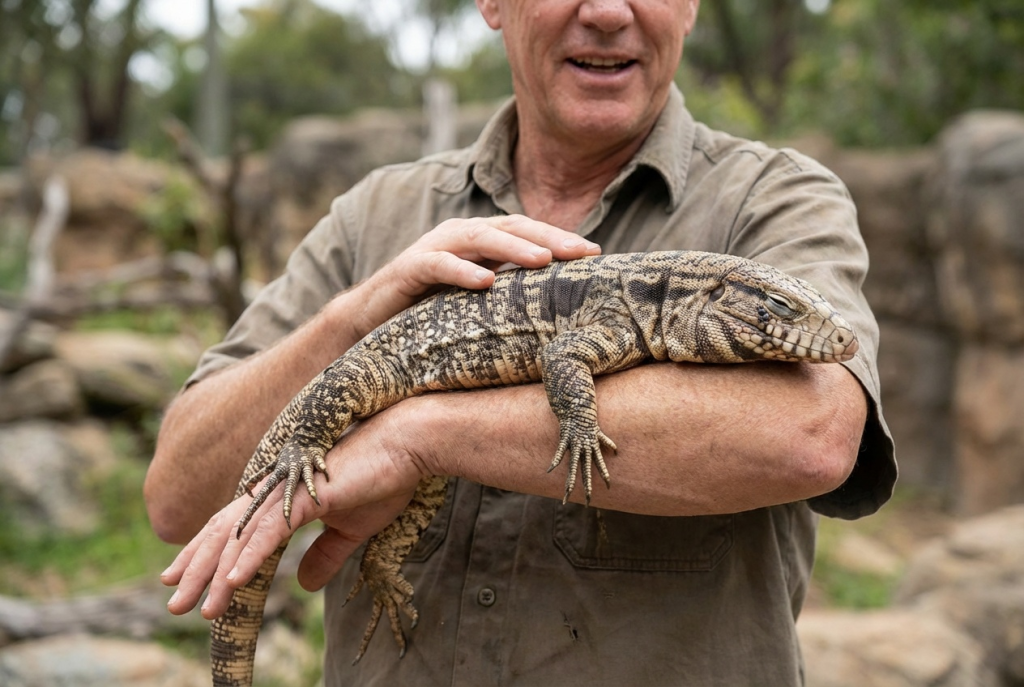

Helping your lizard gain confidence during handling isn’t just a skill—it’s a relationship you build step by step. When you focus on lizard handling comfort, you create a calmer, safer experience for both of you. Because lizards rely on subtle cues, small mistakes can make them nervous. Yet, with the right approach, even shy or reactive lizards can learn to relax in your hands. The secret lies in consistency, patience, and understanding how your reptile communicates discomfort.
Many new owners assume lizards automatically enjoy handling. But reptiles don’t think in human terms. They’re driven by instinct, environmental cues, and survival patterns. Therefore, your goal is to show your lizard that handling isn’t a threat. When you stay calm, move slowly, and respect your lizard’s boundaries, the trust between you grows. Soon, handling sessions shift from stressful to predictable, and predictable eventually becomes comfortable.
Working toward lizard handling comfort takes time, but the changes you’ll see along the way are worth it. You’ll notice subtle improvements. Your lizard may stop trying to flee. Their breathing might slow. They may even start exploring your hands. These tiny milestones signal real progress, and they build the foundation for a reptile that truly tolerates—and sometimes enjoys—regular handling.
Why Lizard Handling Comfort Matters
Lizards experience stress differently than mammals. They won’t vocalize or show affection, but they do display discomfort through movement, posture, and behavior. When you prioritize lizard handling comfort, you help prevent unnecessary stress that can harm their health. Chronic stress weakens their immune system, disrupts appetite, and increases defensive reactions.
Handling is also necessary for enclosure cleaning, health checks, and bonding. Because of this, making the process smooth benefits both the animal and the owner. And although lizards may never crave interaction the way a dog might, they can absolutely learn to trust. That trust begins with small, predictable routines that reduce the chance of sudden reactions.
Additionally, when your lizard feels secure, they’re less likely to scratch, bite, or whip their tail. A calm lizard is easier to support physically, which keeps everyone safe. This relationship between comfort and safety becomes more obvious the longer you spend working with them.
Preparing the Environment for Calm Handling
A good environment sets the stage for lizard handling comfort. Before you pick up your reptile, check the temperature. Lizards depend entirely on external heat sources to regulate their energy. When they’re too cold, they become rigid and fearful. When they’re too warm, they become restless or unpredictable. A comfortable body temperature supports smoother handling from the start.
You also want a quiet room with even lighting. Sudden noises or shadows can trigger instinctive fear. Because lizards sense vibrations so strongly, even small disruptions may cause tension. Turning off loud music, closing doors gently, and speaking softly all help maintain emotional balance.
Prepare the enclosure area as well. Remove clutter, sharp decor, and items that your lizard may hide behind during pickup. When the environment feels predictable, your lizard processes the transition from enclosure to your hands with far less resistance.
Approaching Your Lizard the Right Way
Approach matters more than people realize. If you want to build lizard handling comfort, you must begin the interaction calmly. Move your hand slowly toward the lizard so they can see you coming. Always approach from the side rather than from above. Predators strike from above in the wild, and this instinct remains strong in pet lizards.
Pay attention to your own body language. Quick or hesitant movements confuse reptiles. Make deliberate, smooth motions. Confidence helps your lizard feel safe because predictable hands act like stable branches rather than potential threats.
When you make initial contact, use gentle, steady pressure instead of poking or tapping. Allow the lizard to process the touch. Give them a moment before lifting. This pause alone can dramatically improve comfort because it reduces the element of surprise.
If the lizard backs away or stiffens, slow down. Sometimes you may need several small interactions before the lift happens. This gradual approach teaches your reptile that you respect their signals. Respect, over time, becomes trust.
How to Pick Up Your Lizard Safely and Comfortably
Supporting your lizard correctly is essential for maintaining calm. Slide your hand under their body rather than grabbing from the top. Support the chest, abdomen, and back legs so they never feel like they’re dangling. Many lizards panic when unsupported limbs or tails sway without stability.
Move them toward your body rather than holding them away from you. Close contact gives them a sense of security. Your body creates a stable, warm surface that feels grounding. Just be sure not to squeeze or restrict their movement too much.
During the lift, avoid rotating or shifting your hands abruptly. Smooth transitions communicate safety. Even though it may seem simple, consistency in your movements is what builds lizard handling comfort session after session.
Building Trust Through Repetition
Trust isn’t created in a single session. Lizards learn by repetition. Short, frequent handling sessions work better than long, occasional ones because they reinforce predictable patterns. Try handling your lizard for a few minutes each day. Even a relaxed minute can be a win.
Focus on calm breathing while you hold them. Your breathing sets a rhythm that indirectly encourages stillness. Stay relaxed. Lizards feel tension through grip strength and body movement.
Let your lizard explore your hands or arms at their own pace. When they start walking on you instead of trying to escape, it’s a major sign of growing comfort. Exploration shows curiosity, and curiosity is only possible when fear decreases.
As weeks go by, your lizard begins associating handling with neutrality rather than danger. That shift is the core of lizard handling comfort. You’re not trying to force affection—you’re teaching your reptile that interaction doesn’t equal threat.
Recognizing Stress Signals Early
Understanding your lizard’s body language helps prevent overstimulation. Stress signals might start small. Watch for fast breathing, tail twitching, glass surfing, sudden stillness, or attempts to flee. Some lizards puff up. Others flatten themselves or gape their mouths.
If you notice these reactions, pause immediately. Moving forward too quickly can undo progress. Sometimes returning your lizard to its enclosure is the best decision. This prevents them from associating handling with distress. It also shows that you’re paying attention to their comfort levels.
Because your goal is long-term success, you should respond calmly to stress signs rather than ignore them. Respecting your reptile’s limits today strengthens their trust tomorrow.
Using Positive Associations to Improve Handling Comfort
Although lizards don’t respond to praise, they do respond to positive experiences. Offering a favorite treat after handling can create a useful association. The treat isn’t a reward for behavior; it’s part of a predictable routine. Over time, this routine adds a layer of comfort because it signals closure and safety.
Another technique is hand-in-enclosure desensitization. Spend a few minutes each day placing your hand inside the enclosure without touching the lizard. This simple act teaches them that your hand doesn’t always mean being picked up. Because unpredictability causes stress, removing that element improves comfort dramatically.
You can also use slow finger movement around the enclosure as a way to show predictability. Gentle presence builds familiarity, and familiarity builds trust.
Helping Different Types of Lizards Feel Comfortable
Each species develops handling comfort differently. Understanding these distinctions helps you adjust your approach.
Bearded Dragons
Bearded dragons often adapt quickly to handling. They appreciate stable support and warm hands. Moving slowly and keeping them close to your chest helps them relax.
Leopard Geckos
Leopard geckos require patience. They’re shy and startle easily. Use very slow hand movements and support their entire body. Avoid touching the tail too much, as they may drop it under stress.
Crested Geckos
Crested geckos can jump when startled. Keep sessions short and calm. Use two hands to create a safe landing space and prevent falls.
Monitors and Larger Lizards
Larger species require confident, steady handling. They sense hesitation quickly. Provide broad support and keep interactions highly predictable.
How to Keep Your Lizard Calm While Being Held
Keeping your lizard calm during handling depends on your energy, movement, and technique. Hold them securely but gently. Avoid fidgeting or shifting positions too often. Each movement sends a signal, so consistency matters.
Stay close to a stable surface. If your lizard feels like they can escape safely, they panic less. Sometimes sitting on the floor helps. It reduces fall risk and gives the lizard a sense of grounded security.
Keep your voice low and movements smooth. Even though lizards don’t bond emotionally, they react to vibration changes. Calm energy encourages calm behavior.
If the lizard becomes restless, take a break. Forcing longer sessions creates resistance. Ending early helps maintain a positive association.
Long-Term Habits That Improve Lizard Handling Comfort
Handling comfort comes from routine. Wash your hands before and after handling to remove strong scents. Scent consistency makes interactions more predictable. Handle your lizard at similar times each day and in similar ways. Patterns build familiarity.
Always support their weight no matter how comfortable they become. Even confident lizards become anxious when they feel unstable. Continue watching for subtle stress signals. Over time, you’ll learn your lizard’s personal communication style.
As the weeks pass, your lizard grows accustomed to the process. Consistency is what transforms fear into neutrality and neutrality into comfort. Trust doesn’t develop overnight, but every calm session brings you closer to reliable handling.
Conclusion
Helping your lizard feel comfortable with handling requires patience, understanding, and steady routines. When you focus on lizard handling comfort, you teach your reptile that interaction is safe and predictable. Through slow movements, controlled environments, and consistent habits, your lizard gradually relaxes and becomes easier to handle. The process takes time, but the trust you build creates smoother, calmer experiences for both of you.
FAQ
1. How long does it take for a lizard to get comfortable with handling?
It varies by species and personality, but most lizards improve within several weeks of consistent, gentle handling.
2. Why does my lizard run away when I try to pick it up?
Running away usually means fear or overstimulation. Slow your approach and use smaller steps to build trust.
3. Can treats help my lizard enjoy handling more?
Yes, treats create positive associations and help your lizard feel more relaxed after handling sessions.
4. How often should I handle my lizard?
Short, frequent sessions work best. A few minutes daily builds more comfort than longer sessions once a week.
5. What should I do if my lizard gets stressed during handling?
Pause, slow your movements, and gently return them to the enclosure. Try again later with a calmer, more controlled approach.