
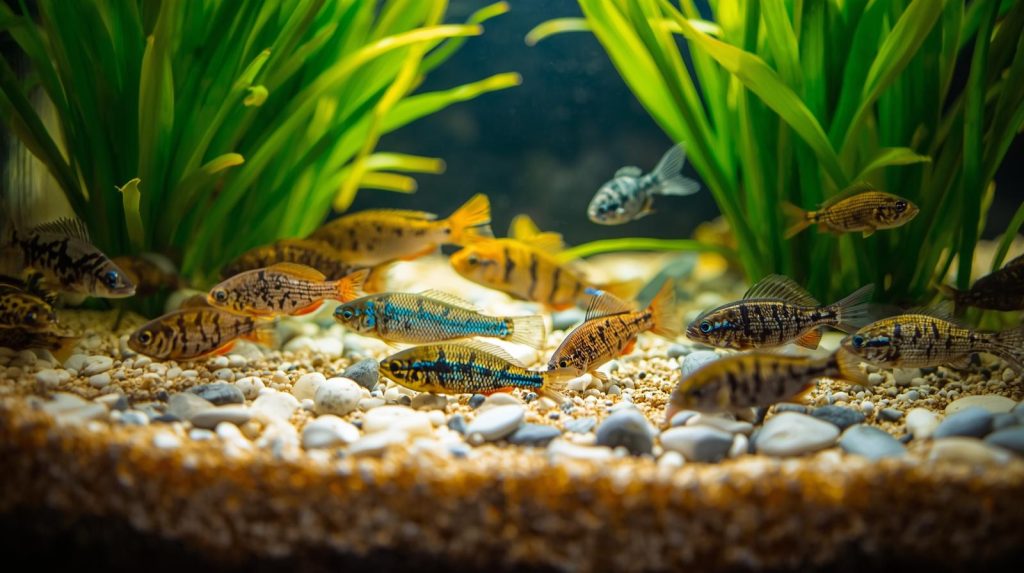

When it comes to feeding bottom feeders, not all algae-based foods are created equal. These peaceful tank cleaners rely on nutrient-rich, plant-based diets to thrive. However, choosing the right food can make a world of difference to their health and behavior. In this guide, you’ll discover the best algae-based foods for bottom feeders, why algae is essential, and how to create a feeding routine that promotes balance and vitality in your aquarium.
(Image suggestion: A group of plecos eating algae wafers at the bottom of a tank — alt text: “bottom feeders eating best algae-based foods”)
Why Algae Is Essential for Bottom Feeders
Algae isn’t just the green film growing on your tank walls—it’s the foundation of a balanced aquatic diet. For bottom feeders like plecos, cory catfish, otocinclus, and loaches, algae delivers natural fiber, minerals, and plant-based protein that mimic their diet in the wild.
Unlike standard flakes or pellets made for surface feeders, algae-based foods support their instinct to graze along the tank floor. By including these foods in their routine, you strengthen their immune system, improve digestion, and encourage vibrant coloration.
Additionally, supplementing algae helps prevent nutritional deficiencies, especially in tanks where natural algae is scarce. Think of it as their daily source of clean, plant energy—a bit like giving your fish a green smoothie packed with vitamins.
For further reading on tank health and algae balance, visit Aquarium Co-Op’s guide on algae feeding.
(Image suggestion: Close-up of otocinclus catfish grazing on algae — alt text: “otocinclus catfish feeding on algae-based foods”)
Top Algae-Based Foods for Bottom Feeders
1. Best Algae Wafers for Healthy Feeding
Algae wafers are an all-time favorite among bottom dwellers. These sinking discs are rich in spirulina and plant matter, allowing plecos and catfish to graze slowly. They provide long-lasting nutrition while staying intact at the bottom.
When selecting wafers, always check that spirulina algae is listed as the first ingredient. This ensures high-quality plant protein and chlorophyll content. On the other hand, avoid options with fillers like wheat or soy, as they can cause bloating.
Pro tip: Feed your fish at night when they’re most active to reduce competition from surface feeders. For more feeding strategies, check FishLab’s aquarium nutrition guide.
(Image suggestion: Algae wafers in a fish tank — alt text: “spirulina algae wafers for bottom feeders”)
2. Spirulina Pellets – A Natural Color Booster
Spirulina is a blue-green algae loaded with antioxidants and essential amino acids. Because of its nutritional density, it promotes immunity and intensifies your fish’s natural coloration. Moreover, spirulina-based pellets sink quickly, making them ideal for loaches, corydoras, and shrimp.
If your fish seem dull or sluggish, introducing spirulina pellets a few times a week can make a visible difference. Over time, you’ll notice richer color tones and increased activity. In addition, these pellets help maintain water clarity since they’re efficiently digested.
3. Algae Sheets – Perfect for Plecos and Snails
Algae sheets, made from seaweed or dried nori, are perfect for mimicking the natural grazing experience. Larger bottom feeders like plecos and snails love to cling to them as they would to driftwood or rocks in nature.
To make feeding easier, secure the sheet with a veggie clip near the tank floor. Within minutes, you’ll see your bottom feeders gathering around for a meal. As an added benefit, these sheets promote natural scraping behavior, which helps keep their teeth and mouths healthy.
(Image suggestion: Pleco eating from an algae sheet — alt text: “pleco eating best algae-based food sheet”)
4. Vegetable Blends with Algae – Balanced Nutrition
Many aquarists choose vegetable-algae blends because they combine spirulina with real vegetables like zucchini, spinach, or peas. These foods deliver both nutrition and variety, supporting better digestion and reducing waste.
For example, mixing these blends with wafers a few times a week gives your fish a more complete diet. They’ll benefit from plant fibers, vitamins, and trace minerals that promote long-term health.
You can find excellent recommendations at Aquarium Source’s bottom feeder diet guide for additional feeding insights.
5. Fresh Algae Cultures – A Natural Feeding Option
If you prefer a sustainable, natural approach, you can cultivate algae right inside your tank. Moderate lighting and a clean environment encourage organic growth, giving your bottom feeders something to graze on naturally.
Alternatively, you can grow spirulina or green water in a separate container and add it periodically. This not only enhances freshness but also replicates the kind of diet they’d have in the wild. In addition, it keeps your aquarium’s ecosystem more balanced overall.
(Image suggestion: Natural algae growth on rocks — alt text: “natural algae culture for bottom feeders”)
How to Feed Algae-Based Foods the Right Way
Feeding bottom feeders takes some timing and strategy. Since they’re most active when lights are low, feeding them in the evening works best. However, consistency matters just as much as timing.
To feed correctly:
- Feed in small portions: Give only what they’ll eat within two hours. This prevents waste buildup.
- Use sinking foods: Ensure pellets or wafers reach the bottom where they forage.
- Alternate their diet: Rotate algae wafers, spirulina, and fresh vegetables to maintain variety.
- Watch their activity: Healthy fish will move actively and have gently rounded bellies—not swollen ones.
For more guidance on aquarium care, visit The Spruce Pets fish nutrition section.
(Image suggestion: Corydoras and pleco feeding together — alt text: “bottom feeder species eating algae-based foods”)
Different Species and Their Algae Needs
Each bottom feeder species has unique dietary preferences. Therefore, knowing their habits helps you select the best algae-based foods.
Plecos (Bristlenose and Common)
Plecos adore algae, particularly when they’re young. Yet as they mature, they require added vegetables and protein. Combine algae wafers with cucumber slices or spinach for balance.
Corydoras Catfish
Corydoras are omnivorous, so they need both plant and protein sources. Try alternating algae wafers with sinking pellets for variety.
Otocinclus Catfish
These tiny grazers depend almost entirely on algae and biofilm. If your tank lacks natural algae, supplement with spirulina wafers to keep them thriving.
Loaches
Loaches are opportunistic eaters. While they enjoy algae-based pellets, they also benefit from occasional protein-rich treats for variety.
The Benefits of the Best Algae-Based Foods
Choosing the best algae-based foods pays off in more ways than one. Not only do your fish look healthier, but your entire tank benefits too.
- Brighter coloration: Spirulina and chlorophyll naturally enhance hue intensity.
- Improved digestion: Fiber keeps their system running smoothly.
- Cleaner water: Balanced feeding minimizes excess waste.
- Stronger immunity: Antioxidants help prevent disease and stress.
- Active behavior: Nutrient-rich diets encourage natural exploration.
When your bottom feeders are healthy, your whole aquarium thrives with them.
Avoid These Common Feeding Mistakes
Even the best algae-based foods won’t help if they’re misused. Avoiding these simple mistakes ensures your fish stay healthy:
- Overfeeding: Extra food quickly decays and releases toxins.
- Lack of variety: Repeating one food type limits nutrient intake.
- Neglecting clean-up: Always remove leftovers to maintain water quality.
- Relying only on tank algae: Natural algae should supplement, not replace, proper feeding.
You can also explore our related post, Best Food for Tropical Fish, for additional feeding inspiration.
Final Thoughts
Selecting the best algae-based foods for bottom feeders means respecting their natural instincts and nutritional needs. By offering a blend of spirulina, wafers, algae sheets, and fresh vegetables, you help your fish grow stronger and live longer.
Furthermore, consistent feeding and observation turn your aquarium into a thriving mini-ecosystem where every species plays its role. When your bottom feeders are well-fed and active, your tank becomes a living display of health and harmony.
(Image suggestion: Peaceful aquarium with vibrant bottom feeders — alt text: “healthy aquarium using best algae-based foods”)
FAQ
1. How often should I feed algae-based foods to bottom feeders?
Feed once a day, preferably in the evening. Small, regular meals work best for digestion.
2. Can bottom feeders live on tank algae alone?
No, they need a balanced diet that includes wafers, spirulina, and vegetables.
3. Are spirulina pellets better than wafers?
Both are excellent. Spirulina enhances color, while wafers provide lasting nutrition.
4. Can I feed vegetables instead of algae-based foods?
Yes, but they should be supplements. Blanched zucchini or spinach work well alongside wafers.
5. Do all bottom feeders eat algae?
Most do, but not all. Always research the dietary needs of your specific fish species before feeding.


