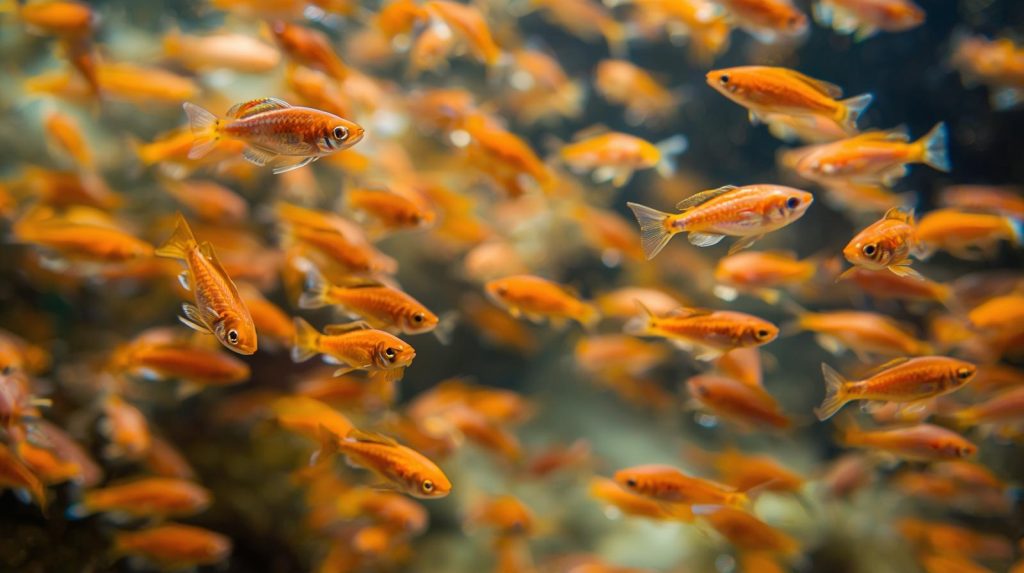

Watching tiny fry dart around your aquarium is exciting—but their survival depends on what and how you feed them. Feeding baby fish fry isn’t just about keeping them alive; it’s about setting the stage for strong, vibrant, fast-growing adults. The key lies in timing, nutrition, and consistency.
Let’s dive into how you can feed your fry to maximize their growth, boost their health, and minimize loss.
Understanding the Nutritional Needs of Baby Fish Fry
When baby fish hatch, they’re extremely fragile and can’t eat the same foods as adults. Their mouths are tiny, and their digestive systems are still developing. That’s why feeding fry requires a balance of size-appropriate, nutrient-dense food sources.
Fry need:
- High protein for muscle and tissue growth.
- Healthy fats to supply energy for rapid development.
- Vitamins and minerals for immunity and bone formation.
Protein is the building block for growth, and baby fish fry need more of it than mature fish. In the early stages, aim for a diet that’s rich in microscopic live foods and gradually move toward prepared feeds as they grow.
The First Meals: What to Feed Newborn Fry
The first few days after hatching are crucial. Depending on the species, fry may still have their yolk sac, which provides nutrition for 1–3 days. During this period, avoid feeding them—let nature take its course.
Once the yolk sac is absorbed, start feeding immediately. Here’s what works best:
1. Infusoria
Infusoria are microscopic organisms perfect for newly hatched fry. You can culture them at home by soaking lettuce or banana peel in aquarium water for a few days. These tiny creatures are the ideal first meal for most small fry like tetras, guppies, and bettas.
2. Baby Brine Shrimp
Baby brine shrimp are a classic choice for good reason—they’re rich in protein and encourage fast, healthy growth. Hatch them fresh daily if possible, as live brine shrimp trigger the fry’s hunting instincts.
3. Microworms and Vinegar Eels
Both microworms and vinegar eels are small, wriggling live foods that make irresistible meals for fry. They’re easy to culture and provide balanced nutrition during early development.
4. Liquid Fry Food
For convenience, many aquarists use commercial liquid fry foods that contain tiny suspended particles. These are great supplements, especially when live food isn’t available.
How Often Should You Feed Baby Fish Fry?
When it comes to fry feeding, frequency matters more than quantity. Baby fish have small stomachs and need to eat several times throughout the day to keep their growth steady.
- Feed 4–6 times per day in small portions.
- Observe them: fry should eat all the food within a few minutes.
- Remove any uneaten food quickly to prevent water fouling.
A steady feeding schedule helps fry develop properly and minimizes stunted growth or deformities. Consistency is key—missed meals can slow their progress dramatically.
Balancing Nutrition and Clean Water
Even the best food won’t help if the water quality suffers. Fry are extra sensitive to toxins like ammonia, nitrites, and uneaten food. Overfeeding can cloud the water, leading to disease and death.
Here’s how to maintain a clean, healthy environment:
- Use a sponge filter to avoid sucking up fry.
- Perform small daily water changes (10–20%) to keep water clean.
- Siphon debris from the tank bottom carefully using airline tubing.
Think of it like raising newborns—clean surroundings are just as vital as proper nutrition.
Transitioning to Larger Foods
As fry grow, their mouths and digestive systems mature. Gradually introduce larger foods to keep up with their increasing nutritional needs.
1. Crushed Flake or Pellet Food
Once the fry reach about 2–3 weeks old (depending on species), you can begin feeding finely crushed flakes or powdered pellets. These should be small enough to fit in their mouths.
2. Daphnia and Microworms
When fry are large enough to chase moving prey, introduce daphnia and more substantial live foods to promote natural hunting behavior.
3. Freeze-Dried and Frozen Options
Transition slowly to freeze-dried or frozen baby brine shrimp or daphnia as supplements. These are excellent sources of protein and are convenient to store.
Make these transitions gradual. Sudden changes in diet can stress the fry and disrupt digestion.
Creating a Feeding Routine for Fast Growth
Fry thrive on consistency. Develop a predictable feeding routine to help them grow evenly and reduce competition in the tank.
Here’s a simple daily plan:
- Morning: Feed live or liquid food like infusoria.
- Late Morning: Offer baby brine shrimp.
- Afternoon: Provide microworms or vinegar eels.
- Evening: Feed crushed flakes or powdered pellets.
- Before Bed: Optional small live food feeding to support overnight metabolism.
Regular feeding intervals mimic natural feeding rhythms, keeping metabolism steady and promoting uniform growth.
Monitoring Fry Growth and Adjusting Feedings
Not all fry grow at the same rate. You might notice some outpacing others—this is normal but can lead to bullying or cannibalism if not managed.
Tips for managing uneven growth:
- Sort fry by size every few days to prevent larger ones from eating smaller siblings.
- Adjust portion sizes based on appetite and tank cleanliness.
- Observe behavior: active, alert fry are well-fed; sluggish ones may need more frequent meals.
Keep track of growth milestones—by week 4–6, most fry should start resembling miniature adults.
Common Mistakes When Feeding Baby Fish Fry
Feeding fry might seem simple, but small mistakes can have big consequences. Avoid these common pitfalls:
1. Overfeeding
It’s tempting to feed more, thinking it’ll make them grow faster. But uneaten food fouls water quickly, causing deadly ammonia spikes.
2. Inconsistent Feeding Schedule
Skipping feedings or feeding irregularly can lead to uneven growth and weak fry. Set alarms or reminders to stay consistent.
3. Neglecting Water Quality
Even slight pollution can kill fry. Regular cleaning and gentle filtration make a huge difference.
4. Using Only Dry Food
Live food stimulates natural instincts and digestion. Relying solely on dry food often slows development and weakens immunity.
5. Failing to Transition Gradually
Changing foods too suddenly confuses fry. Always mix old and new food for a few days before switching fully.
Each mistake is preventable with a little observation and care. Think of yourself as the fry’s personal chef—precision matters.
Boosting Growth Naturally with Good Habits
Besides proper feeding, a few supportive habits can dramatically speed up growth:
- Maintain stable temperature: Most tropical fry grow best at 78–82°F (25–28°C).
- Use gentle lighting: Consistent light cycles help regulate feeding behavior.
- Keep stress low: Avoid sudden movements or loud noises around the tank.
- Provide hiding spots: Plants or spawning mops make fry feel safe, encouraging them to eat more.
Happy fry eat well, grow fast, and transform into strong, colorful adults. Balance and patience are your best tools.
When to Start Weaning to Adult Diets
Around 6–8 weeks, fry can usually begin transitioning to adult food. Start blending finely crushed flakes or pellets with live food. Gradually increase the proportion of dry food until they’re eating entirely on their own.
By this point, they should be large enough to move into community tanks, but monitor them closely for aggression or dominance issues.
Conclusion
Feeding baby fish fry the right way is a mix of science, patience, and observation. From the first microscopic infusoria to the final transition into adult food, every step plays a role in ensuring fast, healthy growth. With consistency, clean water, and a diet rich in variety, your fry will not only survive—they’ll thrive, becoming the next generation of beautiful, lively fish in your aquarium.
FAQ
1. How soon should I feed baby fish after they hatch?
Wait until the fry have absorbed their yolk sacs, usually 1–3 days after hatching. Then start feeding small live foods like infusoria.
2. Can I feed boiled egg yolk to baby fish fry?
Yes, but only in very small amounts. Mash it finely, mix it with water, and feed sparingly to avoid clouding the tank.
3. How do I know if my fry are eating enough?
Active swimming, round bellies, and visible growth indicate proper feeding. Weak or lethargic fry may not be getting enough food.
4. What’s the best food for fast fry growth?
Live baby brine shrimp and microworms are excellent for rapid growth due to their high protein and fat content.
5. How long before fry can eat adult fish food?
Most fry can start transitioning to crushed flakes or pellets at around 6–8 weeks, depending on the species and size.