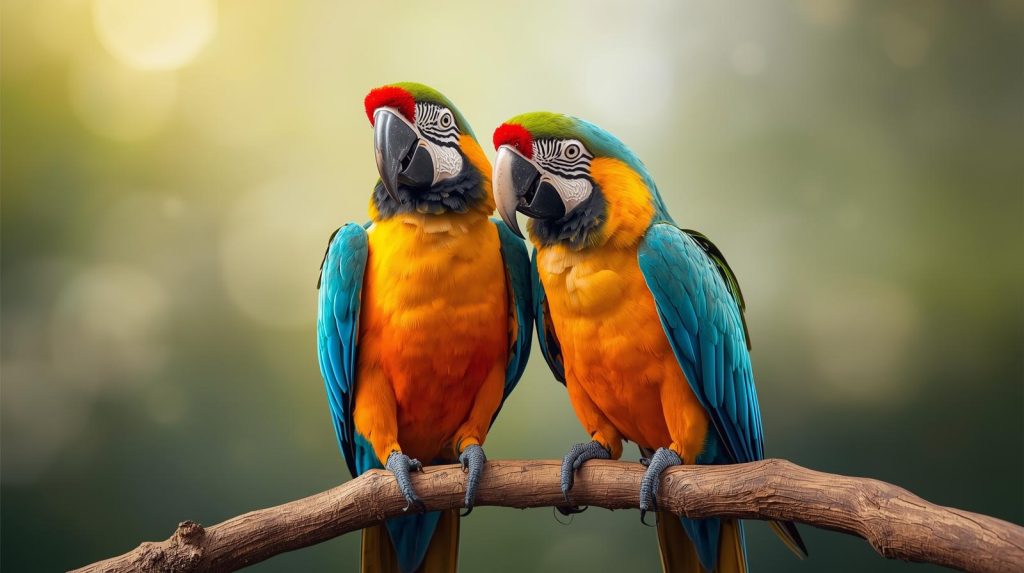

Leaving your parrot alone for hours can be stressful—for both of you. Parrots are highly intelligent, social, and emotional creatures that need constant stimulation. Without it, they can become bored, anxious, and even destructive. But with a little planning and creativity, you can easily keep parrots entertained and content while you’re not home.
In this guide, we’ll explore how to create a fun, enriching environment that keeps your feathered friend mentally sharp and emotionally balanced.
Why Parrots Need Entertainment
Parrots aren’t just pets—they’re companions with complex minds. In the wild, they spend their days flying, foraging, socializing, and solving problems. When confined to a cage without stimulation, they lose those daily challenges.
A bored parrot might start plucking its feathers, screaming, or chewing furniture. These behaviors are signs of frustration and loneliness. That’s why keeping parrots entertained isn’t just about fun—it’s essential for their mental and emotional health.
Engagement mimics their natural environment and keeps their brains active. When they have something to explore or work on, they’re happier and healthier.
Set Up a Stimulating Environment
Creating the right environment is the foundation for keeping parrots entertained. Start by transforming their space into a safe playground filled with variety.
Provide Plenty of Toys
Toys are more than distractions—they’re tools for mental exercise. Choose a mix of toy types:
- Foraging toys that make your parrot work for treats.
- Chewable toys made of natural wood or palm leaves.
- Noise toys like bells that satisfy curiosity.
- Puzzle toys that challenge their intelligence.
Rotate the toys every few days to keep things fresh. A new toy rotation feels like a new adventure every time you leave the house.
Add Perches and Climbing Options
Different perch sizes and textures help strengthen your parrot’s feet and keep them active. Install ropes, ladders, and swings in various spots. The higher and more dynamic the setup, the more interesting it becomes for your parrot.
Think of it as a mini gym for your feathered friend—a place to climb, balance, and explore.
Use Foraging Games to Stimulate the Mind
In nature, parrots spend hours foraging for food. You can recreate that challenge at home. Hide food or treats inside paper cups, cardboard boxes, or small puzzle feeders.
Start simple—maybe wrap a sunflower seed in tissue paper—and increase the difficulty as your parrot learns the game.
Foraging not only keeps parrots entertained but also reduces anxiety by giving them something productive to do. It’s one of the best mental enrichment tools for any bird owner.
Play Music or TV for Company
Silence can make parrots feel isolated. A bit of background noise, like soft music or nature sounds, can comfort them while you’re gone.
Try Bird-Friendly Sounds
Play recordings of rainforest sounds, chirping birds, or gentle instrumental music. Many parrots enjoy mimicking these noises or just listening to the familiar tones.
Alternatively, you can leave the TV on a nature channel. The visuals and voices simulate company and prevent loneliness.
If your parrot prefers certain sounds, create a playlist just for them—it’s like their own version of Netflix.
Create a Safe “Window View”
If possible, place the cage near a window with a view of trees or the street. Watching movement outside—birds flying by, people walking, leaves swaying—keeps parrots engaged.
However, make sure it’s a safe, shaded spot. Too much direct sunlight can overheat your bird, and sudden noises might startle them.
This natural entertainment connects your parrot to the outside world, stimulating curiosity and observation.
Use Technology to Stay Connected
Modern pet tech makes it easy to keep an eye on your parrot when you’re not home. Smart cameras allow you to check in and even talk to your bird.
Some parrots recognize their owner’s voice and will respond when they hear you. It’s a great way to maintain your bond even from a distance.
If you notice boredom or stress on camera, you can plan better enrichment for the next day.
Give Them a Daily Routine
Parrots thrive on consistency. A predictable routine helps them feel secure, even when you’re away.
Feed them at the same times each day, keep lighting consistent, and play with them before leaving. This creates emotional balance and minimizes stress.
A short goodbye ritual—like a phrase you repeat every time you go—also helps. Your parrot will start recognizing it as reassurance that you’ll be back soon.
Offer Natural Enrichment Materials
Simple, natural materials can provide endless fun. Offer items like untreated wood, palm leaves, or coconut shells for chewing and shredding.
These mimic the textures parrots encounter in nature and keep their beaks healthy. Always ensure materials are non-toxic and free from sharp edges or paint.
Even a small cardboard box can become a “treasure chest” of discovery for your curious bird.
Encourage Physical Activity
A physically active parrot is a happy parrot. When you’re home, give them plenty of out-of-cage time. When you’re away, ensure their setup encourages movement.
Hanging toys, ropes, and ladders keep them moving. You can also install play stands outside the cage for when you’re around. The more space your parrot has to stretch its wings, the better.
Provide Companionship if Possible
Some parrot species are especially social, like African Greys, Cockatoos, and Conures. If your schedule keeps you away for long hours, consider getting another bird—provided both are compatible.
However, this decision requires patience and careful introductions. Not every parrot enjoys company, so take your time to ensure harmony.
When it works, having a friend provides comfort, communication, and shared playtime.
Teach Independent Play Skills
Training your parrot to play independently is a lifesaver. Start by engaging together, then gradually step back as they continue on their own.
Reward moments of self-play with praise or treats. Over time, your parrot learns that being alone can be just as fun.
You can even create “activity stations” around the cage—each with a different toy or challenge—to promote variety and choice.
Rotate and Refresh Entertainment Regularly
Even the best enrichment gets old. Refreshing your parrot’s environment keeps things exciting.
Try rearranging toys, adding a new perch, or hiding treats in a new location. Small changes can spark curiosity and exploration.
Think of it like redecorating their home every week. Variety keeps boredom at bay and your parrot’s mind sharp.
Schedule Quality Time When You Return
No amount of enrichment replaces genuine interaction. When you get home, make time for bonding—talk, whistle, train, or share snacks together.
Even 15 minutes of focused attention reinforces trust and affection. It shows your parrot that you’re still part of their flock.
Balancing alone time with quality together time ensures your parrot stays emotionally fulfilled.
Keep Safety a Priority
Before leaving, always parrot-proof your space. Remove any hazards like open windows, toxic plants, or dangling cords.
Ensure the cage door is secure and there’s enough fresh water and food. Double-check that toys and perches are stable and won’t trap their feet or beaks.
Safety allows your parrot to explore confidently without the risk of injury.
Conclusion
Keeping parrots entertained when you’re not home isn’t about expensive gadgets—it’s about understanding their instincts and needs. A happy parrot has variety, challenge, and comfort.
Through toys, sounds, routines, and love, you can transform alone time into a stimulating, safe experience that nurtures their curiosity and emotional well-being.
Your absence doesn’t have to mean boredom. With creativity and care, your parrot can enjoy every moment—even when you’re away.
FAQ
1. How long can I leave my parrot alone during the day?
Most parrots can safely stay alone for 6–8 hours if they have enough stimulation, food, and water. Longer periods should include extra enrichment.
2. What kind of toys keep parrots entertained the longest?
Foraging toys and puzzles tend to keep parrots engaged longer because they challenge their intelligence and curiosity.
3. Can parrots watch TV when I’m not home?
Yes, many parrots enjoy TV or nature videos. The movement and sounds help them feel less alone.
4. Should I leave lights on for my parrot when I’m gone?
Yes, natural or soft lighting helps maintain a normal day cycle. Avoid complete darkness unless it’s nighttime.
5. What’s the best way to prevent loneliness in parrots?
Combine environmental enrichment with a consistent routine and quality interaction when you’re home to build security and trust.