
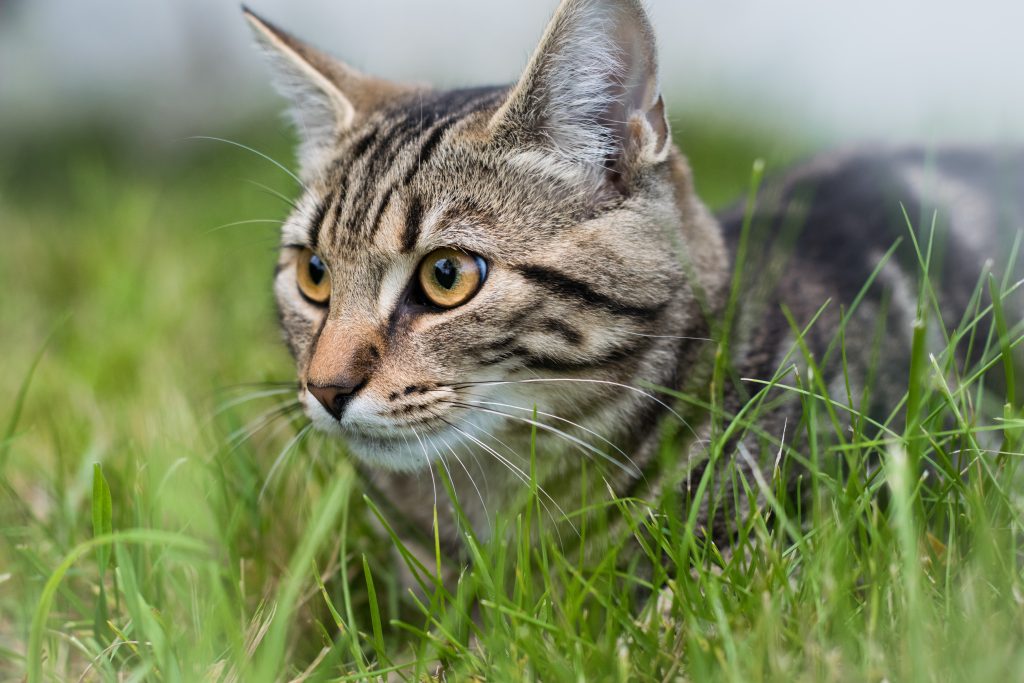

Cats may be cuddly companions, but deep down, they’re natural-born hunters. Even the most pampered indoor cat still carries the instincts of their wild ancestors—the drive to stalk, chase, and capture prey. The problem is, without outdoor hunting opportunities, those instincts can turn into frustration, boredom, or even behavioral issues. Luckily, you can channel that natural energy into safe, indoor activities that satisfy your cat’s hunting instinct and keep them mentally and physically stimulated.
Let’s explore how to satisfy your cat’s hunting instinct indoors, from toy selection and feeding methods to daily routines that mimic real-world hunting.
Understanding Your Cat’s Hunting Instinct
Your cat’s desire to hunt isn’t a learned behavior—it’s hardwired. Long before domestic cats became household pets, they survived by hunting small animals. Even today, house cats share around 95% of their DNA with wild felines like tigers. That predatory spark doesn’t disappear just because food arrives in a bowl twice a day.
If a cat can’t express this instinct, it often shows up in unwanted ways—like attacking ankles, biting during play, or obsessively meowing for attention. By creating a structured environment where your cat can safely “hunt,” you’ll reduce stress and encourage natural satisfaction.
The key is to mimic the stalk–chase–pounce–catch–eat–groom–sleep cycle that defines a cat’s natural rhythm. Indoor playtime should follow this same sequence for the best results.
Use Interactive Toys to Trigger the Hunt
One of the most effective ways to satisfy your cat’s hunting instinct is through interactive play sessions. Instead of just tossing a toy, use movement and timing that simulate real prey behavior.
Try wand toys like feather teasers, which you can make dart, pause, and flutter unpredictably—just like a bird or mouse would. Move the toy along the floor, hide it behind objects, or dangle it from furniture to keep your cat guessing.
Laser pointers can also work, but be sure to let your cat “catch” something tangible at the end, like a treat or toy. Otherwise, chasing a red dot without a reward can lead to frustration instead of fulfillment.
Tip: Rotate Toys Frequently
Cats quickly lose interest in toys that don’t move or change. Keep a few favorites hidden and bring them out in rotation. This keeps each play session fresh, mimicking the variety of prey they’d find in nature.
Create a Hunting Routine Through Playtime
Cats thrive on routine, and setting aside specific play sessions every day helps maintain a healthy rhythm. Schedule two or three short sessions—morning, evening, and before bed—each lasting around 10 to 15 minutes.
Use different toys for different sessions. Maybe a feather teaser in the morning, a stuffed “mouse” in the afternoon, and a puzzle toy at night. Varying the type and movement of “prey” helps prevent boredom and keeps their reflexes sharp.
End each playtime with a small meal or treat to complete the natural hunt–eat–rest cycle. This simple pattern mirrors the satisfaction of catching and consuming prey in the wild.
Turn Mealtime into a Hunting Game
Feeding time doesn’t have to be boring. Traditional food bowls remove the challenge of hunting, but food puzzles and foraging toys bring that excitement back.
Puzzle feeders encourage cats to think, paw, and nudge for their food—just like searching for prey. You can find puzzle feeders in various difficulty levels, or make your own by hiding kibble in toilet paper rolls, egg cartons, or small boxes.
Scatter feeding is another great technique. Instead of serving all the food in one spot, hide small portions around the house. This turns mealtime into a treasure hunt and satisfies both curiosity and hunting instincts.
Try This DIY Idea:
Cut small holes in a plastic bottle, add dry kibble, and let your cat roll it around until food falls out. It’s a fun, low-cost way to stimulate problem-solving and hunting behavior.
Encourage Climbing and Ambush Play
Cats are ambush predators. In the wild, they love to stalk from above, leap from hidden spots, or sneak behind cover before pouncing. Indoors, you can recreate this environment with cat trees, shelves, and tunnels.
Multi-level cat furniture provides both exercise and vantage points for observation. Hide toys or treats at different heights to encourage climbing and exploration. Cardboard boxes and tunnels also make excellent ambush zones—cheap, easy, and endlessly entertaining.
Play with your cat around these structures, moving toys in and out of view to inspire stalking and strategic movement. This helps your cat practice precision and patience while getting a workout.
Use Scent and Sound to Enrich the Hunt
While vision is important, cats rely heavily on scent and sound when hunting. You can make indoor play more realistic by engaging these senses.
Add a pinch of catnip or silvervine to toys to trigger excitement and playfulness. For an added layer of realism, choose toys that make rustling, chirping, or squeaking noises. These auditory cues activate your cat’s hunting focus and heighten engagement.
If your cat isn’t responding to catnip, try silvervine or valerian root instead—some cats have stronger reactions to these natural stimulants.
Provide a Safe Space for Post-Hunt Rest
After an intense hunt, cats need time to rest and recharge. Make sure your cat has cozy hiding spots, soft beds, or blankets nearby. This completes the full hunting cycle and helps prevent overstimulation.
Avoid overstressing your cat with too much play or noise. Recognize the signs of fatigue: flattened ears, dilated pupils, or tail flicking. When your cat walks away, let them cool down—forcing more play can create anxiety instead of satisfaction.
A relaxed, purring cat after playtime is a sign you’ve successfully met their instinctive needs.
Use Technology to Simulate Prey When You’re Away
If you can’t be home during the day, technology can keep your cat entertained and engaged. Automatic laser toys, motion-activated feather spinners, or treat-dispensing robots can create movement and unpredictability even when you’re busy.
You can also use pet cameras with built-in toy functions, allowing you to control play remotely from your phone. This not only helps satisfy your cat’s hunting instinct but also reduces separation anxiety.
Just be sure to supervise new gadgets at first—some cats may be startled by sudden motion or noise until they get used to it.
Encourage Gentle Hunting with Multiple Cats
In multi-cat households, hunting games can get competitive. If you have more than one cat, give each their own toy or turn so no one feels left out.
Simultaneous play works well when you have enough space and supervision. But for territorial cats, individual sessions are better. This ensures each cat experiences the full hunt cycle without conflict.
Reward both with treats afterward to reinforce positive play behavior and prevent jealousy.
Why Satisfying the Hunting Instinct Matters
Meeting your cat’s natural needs is about more than just fun—it’s essential for health and happiness. When a cat’s hunting instinct is satisfied:
- Stress and anxiety decrease.
- Obsessive behaviors like overgrooming or meowing lessen.
- Physical fitness improves through exercise.
- Boredom-related aggression disappears.
- Bonding between cat and owner strengthens.
You’re not just helping your cat “play”—you’re giving them purpose, fulfillment, and emotional balance.
Building a Happy, Instinct-Fulfilled Indoor Life
When you combine interactive play, enriched environments, and stimulating feeding routines, you create a space where your cat can truly thrive indoors. Think of your home as their personal hunting ground—full of movement, mystery, and mental challenges.
You’ll soon notice a calmer, more content cat who’s not just lounging but living vibrantly. By honoring their wild instincts in safe ways, you strengthen the bond between you and your feline companion—and that’s the real reward.
FAQ
1. How often should I play hunting games with my cat?
Aim for two to three short sessions each day, lasting about 10–15 minutes. Consistency is more important than duration.
2. What toys are best to satisfy a cat’s hunting instinct?
Wand toys, feather teasers, crinkle balls, and motion-activated toys are excellent because they mimic real prey movement.
3. Can indoor cats be truly satisfied without outdoor hunting?
Yes. With daily play, puzzle feeding, and interactive enrichment, indoor cats can feel just as fulfilled as outdoor ones.
4. How do I stop my cat from attacking my ankles?
Redirect that behavior into proper hunting play with toys. Cats often attack feet when their hunting energy isn’t released constructively.
5. Is it okay to use laser pointers for play?
Yes, but always end the session by letting your cat “catch” a treat or toy. This gives closure and prevents frustration.