
If your bored dog chews everything from shoes to furniture, you’re not alone. Many pet owners experience this frustrating phase where a beloved companion turns into a furry little destroyer. But here’s the truth: dogs don’t chew out of spite—they chew because they’re bored, anxious, or lacking stimulation. The good news? You can stop it with the right approach, consistency, and a better understanding of your dog’s needs.
Let’s dig into why bored dogs chew everything and how you can redirect that behavior before your home becomes a chew toy graveyard.
Why Bored Dogs Chew Everything
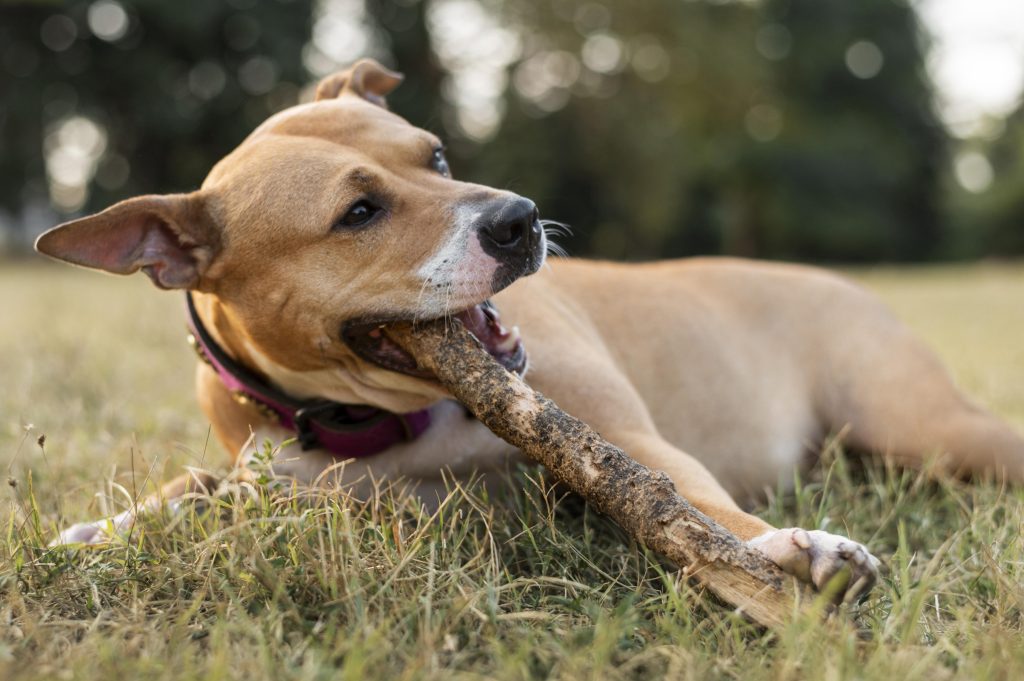
Chewing is a natural instinct for dogs. It’s how they explore their world, release energy, and even clean their teeth. But when boredom strikes, that instinct can turn into a destructive habit.
They Need Mental Stimulation
Just like humans, dogs need mental challenges. When a dog has nothing engaging to do, it looks for ways to fill the void. Chewing provides instant gratification—it relieves boredom and gives them something to focus on. Think of it as a stress ball for your pup.
They Have Excess Energy
High-energy breeds, like Border Collies, Labradors, or Huskies, are especially prone to destructive chewing. Without enough physical exercise, they look for outlets to burn off energy. Unfortunately, that can mean your couch cushions or sneakers take the hit.
They’re Seeking Attention
Sometimes dogs chew because it gets your attention—even if it’s negative. Yelling or chasing them might seem like punishment, but from your dog’s perspective, it’s playtime. They quickly learn that chewing leads to engagement.
They’re Anxious or Lonely
When dogs are left alone for long periods, anxiety can set in. Chewing provides a calming effect by releasing endorphins. It’s their way of coping with stress, much like how humans might fidget or snack when nervous.
Common Items Bored Dogs Love to Chew
Every dog has its preferences, but there are a few universal favorites when boredom strikes.
Shoes and Socks
They smell like you—your scent is comforting. Unfortunately, that also makes them irresistible targets for chewing.
Furniture and Table Legs
Wood and fabric give satisfying textures for gnawing. Dogs enjoy the resistance and crunch.
Remote Controls and Plastic Items
The firm plastic feels great on their gums, especially for teething puppies. But these items can be dangerous if swallowed.
Paper and Trash
It’s noisy, tearable, and fun. Dogs love the sensory experience of ripping things apart.
How to Stop Your Dog from Chewing Everything
Stopping the habit requires a mix of prevention, redirection, and mental engagement. It’s not about punishment—it’s about providing better options.
1. Increase Physical Exercise
A tired dog is a good dog. Regular walks, fetch sessions, or agility play can drain that extra energy. Try varying the activities so your dog doesn’t get bored with the routine. Even two 20-minute walks a day can make a huge difference.
2. Add Mental Stimulation
Interactive toys, food puzzles, and scent games can occupy your dog’s brain. Mental stimulation can tire dogs out just as effectively as a run. Rotate toys weekly to keep things fresh.
3. Provide Chew-Approved Alternatives
Offer safe chew toys designed for your dog’s size and chewing style. Durable rubber toys, rope toys, or frozen treats are excellent choices. When you catch your dog chewing something inappropriate, calmly redirect them to their toy.
4. Manage Their Environment
Limit your dog’s access to tempting items. Use baby gates, crates, or playpens when you can’t supervise. Pick up shoes, hide cords, and keep the trash can closed. Prevention reduces opportunities for mistakes.
5. Reward Good Behavior
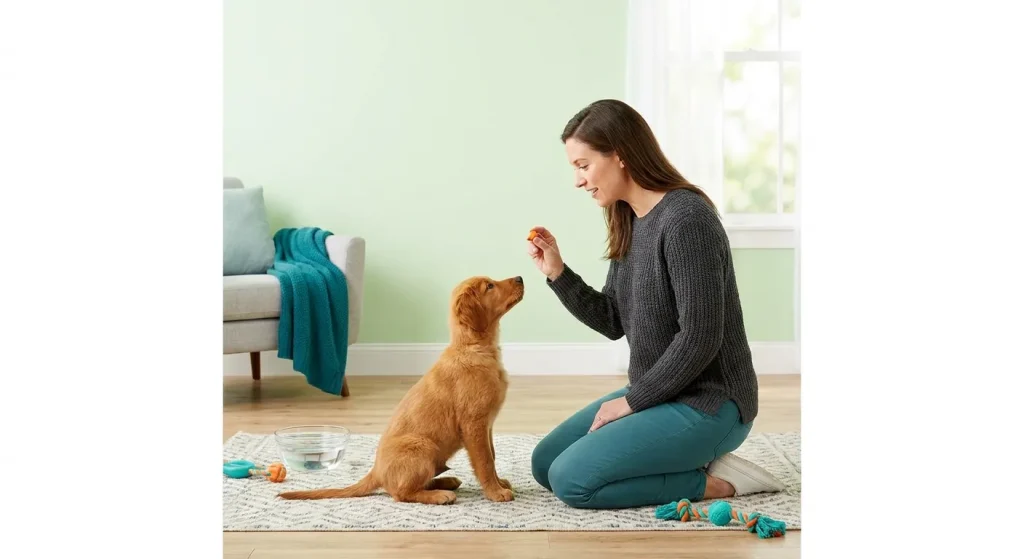
Positive reinforcement works wonders. Praise and treat your dog when they chew their own toys instead of your belongings. Over time, they’ll associate good chewing behavior with rewards.
6. Use Deterrent Sprays
Bitter apple or citrus sprays can make household items unappealing to dogs. While this won’t solve the root cause, it can protect your belongings during training.
7. Avoid Harsh Punishment
Scolding or hitting your dog creates fear, not understanding. Fear can make chewing worse by increasing anxiety. Focus on calm correction and redirection instead.
The Role of Routine and Structure
Dogs thrive on consistency. When their days are predictable, they feel secure. Regular feeding times, walks, play sessions, and rest periods give them balance. Without structure, dogs often create their own entertainment—which usually involves chewing something off-limits.
Establishing a daily rhythm not only reduces boredom but also builds trust. A structured environment tells your dog what to expect and what’s expected of them.
Training Tips for Chronic Chewers
If your bored dog chews everything despite having toys, it might be time to reinforce boundaries through training.
Supervise and Interrupt
Keep an eye on your dog during free time. The moment they start chewing something they shouldn’t, interrupt with a firm but calm “no,” then offer their chew toy. This teaches what’s acceptable and what’s not.
Use Crate Training Wisely
Crates can provide a safe, calm space when used correctly—not as punishment. Give your dog a chew toy in their crate so they associate it with comfort and relaxation.
Teach “Leave It” and “Drop It”
These commands are lifesavers. Practice them daily with treats. Start by holding a toy and saying “leave it,” rewarding your dog when they resist. Over time, you can apply it to real-life chewing situations.
Preventing Chewing When You’re Away
Many dogs chew more when left alone. You can’t supervise them all day, but you can set them up for success.
Create a Safe Zone
Designate a chew-safe area with toys, blankets, and comfort items. Keep dangerous or valuable objects out of reach.
Use Long-Lasting Treats
Stuffed Kongs, frozen peanut butter toys, or chew sticks keep dogs occupied for hours. They help reduce anxiety and boredom while you’re away.
Background Noise Helps
Soft music or dog-friendly TV can ease loneliness. The background sound provides comfort and distraction.
Hire a Dog Walker
If you’re gone for long hours, consider a dog walker or doggy daycare. Even one mid-day walk can make a world of difference for active breeds.
When Chewing Might Signal Something More
Sometimes, chewing isn’t just boredom—it can signal an underlying issue.
Teething in Puppies
If you have a puppy under six months old, chewing is part of development. Their gums hurt, and biting things soothes discomfort. Offer frozen washcloths or puppy-safe chew toys.
Separation Anxiety
If your dog chews primarily when you leave the house, they might be anxious. Look for signs like whining, pacing, or destructive behavior near doors and windows.
Nutritional Deficiencies
Rarely, chewing may be linked to a lack of nutrients or minerals. If your dog eats non-food items (a condition called pica), talk to your vet.
Professional Help for Persistent Chewing
If you’ve tried everything and your bored dog still chews everything, consider professional help. A certified dog trainer or animal behaviorist can identify triggers and create a customized plan. Sometimes, the problem lies in deeper behavioral patterns that require expert guidance.
Veterinarians can also rule out medical causes, like dental pain or anxiety disorders. Addressing these early prevents long-term damage—to both your belongings and your relationship with your dog.
Keeping Your Dog Happy and Engaged
The secret to stopping chewing isn’t control—it’s fulfillment. A dog that feels engaged, loved, and mentally stimulated won’t need to chew for comfort or entertainment.
Spend quality time together. Train, play, explore new environments. The bond you build becomes the most powerful deterrent against boredom-driven behavior.
Because when dogs are content, the world looks less like a chew toy—and more like home.
FAQ
1. Why do bored dogs chew everything?
Dogs chew when bored because it relieves stress, provides stimulation, and helps them release energy. It’s a natural behavior that becomes destructive when they lack engagement.
2. How can I tell if my dog’s chewing is from boredom or anxiety?
If chewing happens when you’re away or during loud events, it’s likely anxiety. If it occurs randomly throughout the day, boredom is the main cause.
3. What toys help with destructive chewing?
Durable rubber toys, frozen treat dispensers, and rope toys are great for redirecting chewing energy to safe items.
4. How do I stop my dog from chewing furniture?
Provide alternatives, supervise closely, and use deterrent sprays. Reward your dog when they chew appropriate toys instead.
5. Is chewing ever a sign of illness?
Yes, excessive chewing or eating non-food items can indicate dental pain, anxiety, or nutritional deficiencies. Consult your vet if it persists.