
A dog’s happiness starts with one simple thing—play. Whether it’s a game of fetch, a brisk walk, or a puzzle toy challenge, consistent play shapes their behavior, strengthens your bond, and improves their health. But how do you create a daily play routine for dogs that fits your lifestyle and keeps your pup’s tail wagging day after day? Let’s build one together.
Why Dogs Need a Daily Play Routine
Dogs thrive on structure. Just like humans, they feel more secure when they know what to expect each day. A daily play routine provides mental clarity, reduces anxiety, and gives them a sense of purpose.
Physical exercise is vital, but mental engagement matters just as much. Without enough stimulation, dogs can become bored—and boredom leads to destructive habits like chewing furniture, barking excessively, or digging up your garden.
When you introduce a consistent routine that balances both physical and mental play, you’re not only keeping your dog fit—you’re giving them emotional stability and confidence.
Understanding Your Dog’s Play Style
Before setting up your daily schedule, pay attention to what kind of play your dog enjoys most.
Some dogs are natural athletes who crave running and agility games. Others are thinkers who love puzzles or scent-based challenges. Here are a few play styles to consider:
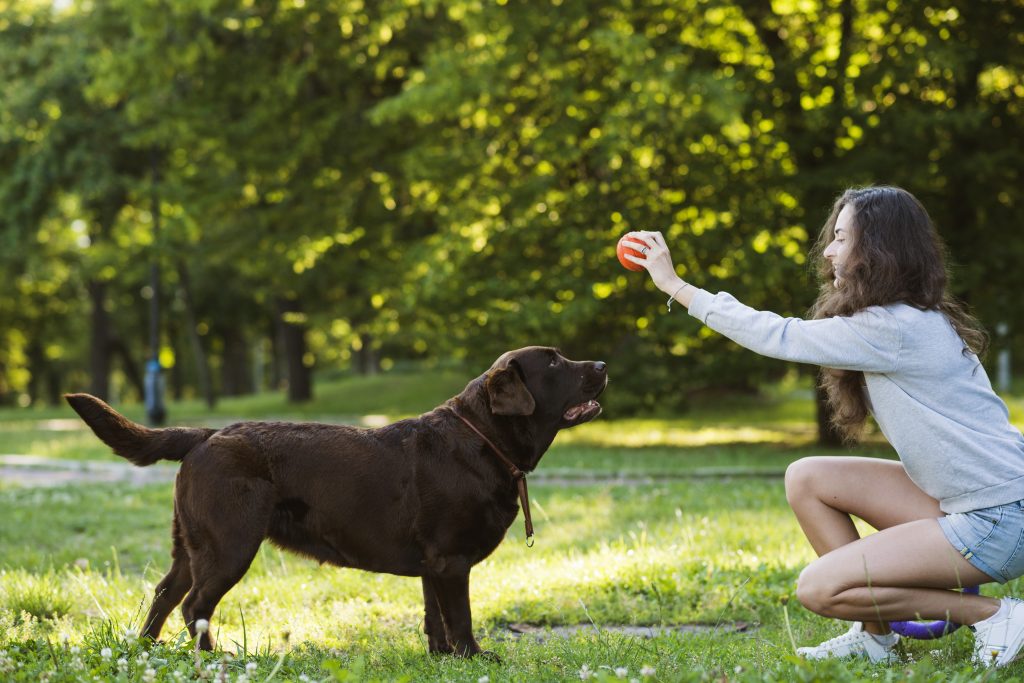
- Fetchers: Dogs who love chasing balls, frisbees, or sticks. Great for burning energy quickly.
- Tuggers: Pups that enjoy interactive play with rope toys or soft tugs. Helps build strength and bonding.
- Explorers: Dogs who love sniffing, wandering, and discovering new scents on walks. Perfect for mental enrichment.
- Thinkers: Breeds like Border Collies or Poodles who thrive on problem-solving games and puzzles.
- Cuddlers: Some dogs prefer calm engagement, such as hide-and-seek or gentle indoor games.
By knowing your dog’s preferences, you can design a daily routine that satisfies both their body and mind.
Building the Perfect Daily Play Routine
Creating a daily play routine for dogs isn’t about squeezing in hours of activity—it’s about consistency, variety, and balance. Let’s break it down into manageable sections.
Morning Routine: Start the Day with Energy
Morning sets the tone for the day. After your dog wakes up and stretches, take them out for a brisk walk or short game of fetch. Ten to twenty minutes of play can release energy and help prevent restlessness later.
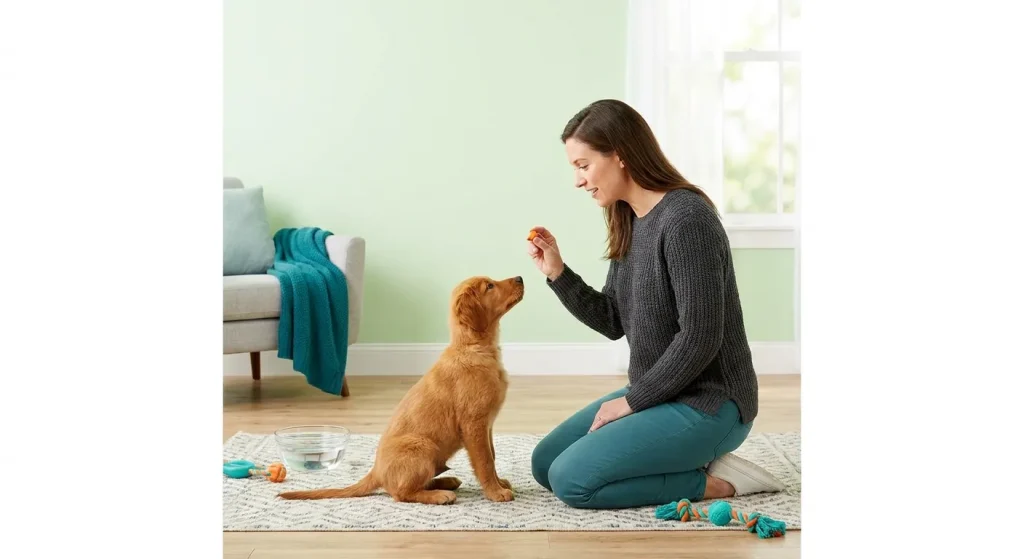
If you’re pressed for time, a quick tug session or a few training drills (like “sit,” “stay,” or “find it”) can wake up their mind. Use positive reinforcement—praise, treats, or belly rubs—to keep motivation high.
Midday Routine: Keep the Mind Engaged
When you’re at work or busy during the day, your dog can still stay active. This is the perfect time for enrichment toys and solo play.
Try interactive feeders, puzzle toys, or frozen treats stuffed in a Kong. These keep your dog mentally stimulated while you’re away.
If possible, schedule a dog walker or a neighbor to give them a midday stroll. A short break outdoors prevents boredom and bladder discomfort, while providing fresh air and social stimulation.
Evening Routine: Bond and Unwind
After work, spend quality time with your pup. This is when you can combine exercise with connection.
Take a longer walk, play fetch in the yard, or let your dog socialize at the park. End with a calm activity like gentle brushing or a slow sniff walk around the block.
Evening play helps burn remaining energy, reduces nighttime anxiety, and deepens your bond before bedtime.
Sample Daily Play Routine for Dogs
Here’s an example of what a balanced daily routine could look like:
7:00 AM – Morning Walk (20–30 minutes): A brisk stroll or light jog to start the day.
8:00 AM – Breakfast & Training (10 minutes): Practice commands before feeding.
12:00 PM – Midday Mental Game (15 minutes): Puzzle toy or treat hunt.
3:00 PM – Quick Stretch Break (10 minutes): Tug or fetch if you’re home.
6:00 PM – Evening Exercise (30–45 minutes): Walk, park play, or agility training.
8:30 PM – Wind Down (10 minutes): Gentle massage or cuddles before bed.
This structure keeps your dog’s day predictable, fulfilling, and stress-free.
Balancing Physical and Mental Exercise
A healthy daily play routine for dogs should strike a balance between physical exertion and mental challenges. Overdoing one and ignoring the other can cause issues.
Physical play—like running, chasing, or swimming—builds strength and stamina. Mental play—like puzzles, scent tracking, or training—sharpens focus and reduces stress.
If you notice your dog becoming hyper after long walks, try mixing in brain games instead of more physical play. It’s often mental fatigue, not physical exhaustion, that leads to calmer, happier dogs.
Indoor Play Ideas for Rainy Days
Bad weather doesn’t mean playtime has to stop. There are plenty of indoor games to keep your dog entertained when outdoor walks aren’t possible:
- Hide and Seek: Hide behind a door or couch and call your dog’s name. Reward them when they find you.
- Treat Hunt: Hide small treats around the room and let your pup sniff them out.
- Obstacle Course: Use cushions, chairs, or blankets to create a fun mini-course.
- Tug of War: Strengthens your bond and tires them out quickly.
- Puzzle Toys: Keep their mind busy while improving problem-solving skills.
With creativity, you can make indoor play as rewarding as outdoor adventures.
Social Play and Variety
Dogs are social animals, and interaction with other dogs is essential for their development. Schedule playdates or occasional visits to a dog park. Just ensure the environment is safe and controlled.
Variety keeps things interesting. Rotate toys every few days, explore new walking routes, or introduce short agility drills. This keeps your dog mentally sharp and prevents routine fatigue.
Signs Your Dog Is Getting Enough Play
A well-balanced daily play routine for dogs shows up in their behavior and mood. Look for these positive signs:
- Relaxed and happy demeanor
- Calm behavior indoors
- Improved sleep patterns
- Healthy appetite
- Willingness to learn and engage
If your dog seems restless, bored, or destructive, they may need more playtime or variety in their routine.
Listen to their cues—dogs will often “ask” for attention through gentle nudges, wagging, or playful postures.
Adjusting the Routine Over Time
Every dog’s needs change with age, breed, and energy level. Puppies require shorter, frequent play sessions to match their bursts of energy. Adults benefit from steady, moderate routines, while senior dogs need gentler activities to support mobility.
As your dog ages or your schedule shifts, adjust the routine accordingly. The goal isn’t perfection—it’s consistency, care, and connection.
How Play Strengthens Your Bond
Play isn’t just fun—it’s emotional communication. Every toss of a ball or shared moment on a walk tells your dog, “You matter.”
Building this bond through daily play deepens trust, reduces anxiety, and improves obedience. A dog that feels secure and loved will naturally be more responsive, well-behaved, and confident.
When play becomes part of your everyday rhythm, it turns ordinary moments into shared joy.
Conclusion
Creating a daily play routine for dogs is one of the best gifts you can give your furry friend. It builds health, trust, and happiness while preventing boredom and bad habits. By blending physical exercise, mental enrichment, and emotional connection, you’ll transform your dog’s life—and yours too.
Every fetch, walk, and cuddle becomes part of a shared rhythm that strengthens your bond and fills each day with joy. So start today. Make play a habit, not a chore, and watch your dog thrive.
FAQ
1. How much playtime does my dog need daily?
Most dogs need at least 30 minutes to 2 hours of combined physical and mental activity daily, depending on their breed and energy level.
2. What if I don’t have time to play every day?
Even short 10-minute sessions of focused play or training can make a big difference. Consistency matters more than duration.
3. How can I tell if my dog is bored?
Common signs include excessive barking, chewing furniture, or pacing. Increasing playtime and variety can solve these issues.
4. Are puzzle toys good for all dogs?
Yes, most dogs enjoy puzzle toys. Just choose one suited to your dog’s size and problem-solving ability.
5. Can too much play be harmful?
Overexertion can lead to joint strain or fatigue. Mix active play with rest periods and mental stimulation for a healthy balance.