
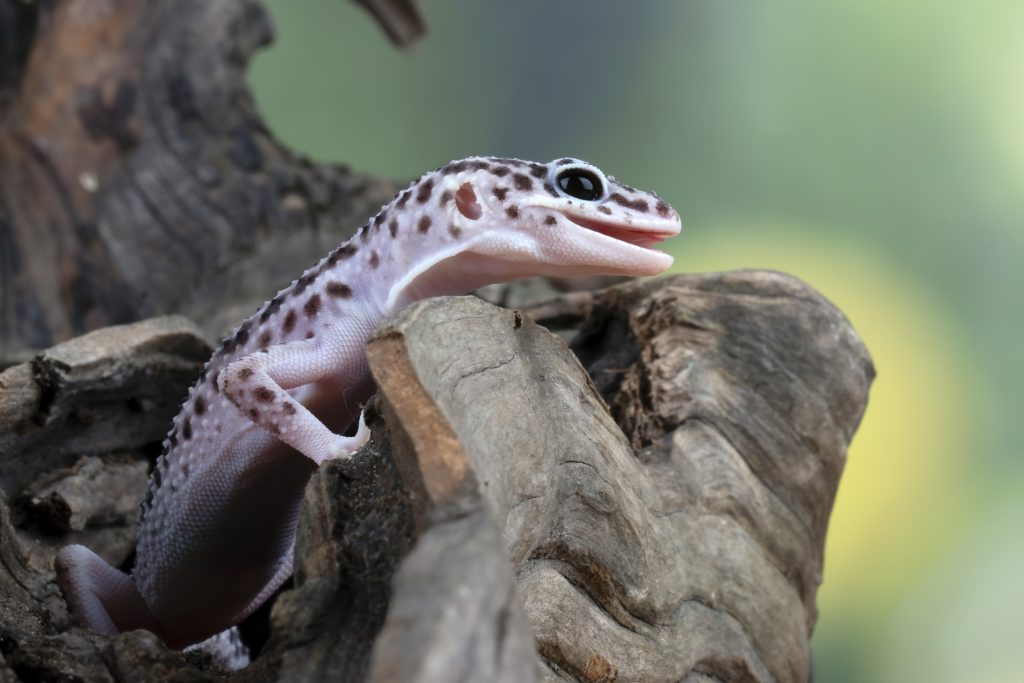

Keeping reptiles healthy requires more than food and water. Two of the most vital factors—calcium and UVB exposure—form the foundation of your pet’s long-term wellness. Without proper levels of these two essentials, even the most well-fed reptile can suffer from serious health problems. Let’s break down why calcium and UVB light matter so much, how they work together, and what you can do to ensure your reptile thrives in captivity.
Understanding Calcium’s Role in Reptile Health
Calcium is more than just a mineral; it’s the building block of life for reptiles. Just like humans rely on calcium for strong bones, reptiles depend on it for skeletal structure, nerve function, and muscle contraction. Without it, their entire biological system starts to crumble.
When reptiles don’t get enough calcium, their bones weaken, muscles twitch uncontrollably, and their overall health declines. This condition is known as Metabolic Bone Disease (MBD), and it’s one of the most common yet preventable illnesses among captive reptiles.
Calcium supports:
- Bone density and strength
- Proper muscle movement
- Healthy eggshell formation in females
- Strong jaw and tail structure
- Efficient nerve communication
But calcium alone isn’t enough. The body can’t properly absorb it without help from another key player—vitamin D3, which comes from UVB light.
Why UVB Light Is Just as Important
In the wild, reptiles bask in natural sunlight that contains ultraviolet B (UVB) radiation. This UVB exposure triggers their skin to produce vitamin D3, the crucial compound that allows calcium absorption. Without UVB light, even the best calcium supplements are useless.
Imagine feeding your reptile the perfect diet, yet none of that calcium actually benefits them because their body can’t process it. That’s exactly what happens in reptiles deprived of UVB exposure.
UVB helps your reptile:
- Convert inactive vitamin D to active D3
- Absorb and utilize dietary calcium
- Regulate phosphorus balance
- Strengthen the immune system
Simply put, no UVB means no calcium absorption, and no calcium absorption means fragile bones and eventual decline.
The Connection Between Calcium and UVB
Think of calcium and UVB as two sides of the same coin. One provides the raw material, and the other activates it. Calcium enters the reptile’s system through diet or supplements, while UVB light ensures it’s properly absorbed and distributed throughout the body.
Without this partnership, reptiles are at risk of:
- Soft or deformed bones
- Lethargy and weakness
- Tremors and poor coordination
- Jaw deformities or “rubber jaw”
- Fractures and stunted growth
That’s why both must be part of your daily reptile care routine. Providing one without the other simply won’t work in the long term.
Recognizing Calcium and UVB Deficiencies
You might wonder how to tell if your reptile lacks calcium or UVB. The symptoms often appear gradually, but early detection can make all the difference.
Common signs of deficiency include:
- Shaky movements or muscle spasms
- Swollen legs or jaw
- Weak grip or difficulty climbing
- Decreased appetite
- Soft or misshapen shell (in turtles)
- Poor growth in juveniles
If your reptile shows these symptoms, act fast. Adjusting their diet and lighting setup can prevent irreversible damage.
Providing the Right UVB Setup
Setting up the correct UVB lighting system is crucial. Many reptile owners underestimate how specific UVB needs are based on the species, habitat, and enclosure setup.
Here are key UVB lighting tips:
- Choose the correct bulb type. Desert species like bearded dragons need higher UVB output (10.0 bulbs), while forest or tropical species may thrive with lower intensity (5.0 bulbs).
- Replace bulbs regularly. UVB output fades after about six months, even if the light still looks bright.
- Maintain the right distance. Most bulbs should be placed 10–12 inches from your reptile’s basking spot.
- Provide a gradient. Allow areas with and without direct UVB so your reptile can regulate its exposure naturally.
- Avoid glass barriers. Glass and plastic block UVB rays, so ensure the light reaches your reptile unobstructed.
You can learn more about proper lighting setups on reputable reptile care sites like Reptiles Magazine and ReptiFiles, both trusted sources for enclosure guidance.
Optimizing Calcium Intake for Your Reptile
Just as important as UVB is a diet rich in bioavailable calcium. Different reptiles have unique dietary needs, but the principle remains the same—balance and consistency matter most.
For herbivorous reptiles like iguanas and tortoises, leafy greens such as collard greens, kale, and mustard greens are excellent natural calcium sources.
For insectivores like bearded dragons or leopard geckos, dust feeder insects with calcium powder before feeding. Look for brands fortified with vitamin D3 if your reptile has limited UVB exposure.
For omnivorous reptiles, mix calcium-rich greens with protein sources to ensure steady intake.
Don’t forget that excessive phosphorus can interfere with calcium absorption. Foods like spinach, broccoli, and high-protein insects should be offered sparingly to maintain the right calcium-to-phosphorus ratio.
For more guidance on reptile diets, check internal care resources or species-specific guides within your reptile community.
How to Balance Calcium and UVB
Achieving balance between calcium and UVB involves both nutrition and environmental management. Here’s a simple routine to maintain equilibrium:
- Dust food with calcium powder three to four times a week.
- Provide UVB light for 10–12 hours daily, mimicking natural daylight.
- Monitor your setup with a UVB meter to ensure consistent output.
- Offer multivitamins once or twice a week to support overall metabolism.
- Adjust for species—desert reptiles need stronger UVB than forest species.
By combining proper lighting and supplementation, you’ll create a thriving environment where your reptile’s bones, muscles, and immune system stay strong.
Common Mistakes to Avoid
Even experienced keepers make errors when managing calcium and UVB for reptiles. Avoiding these pitfalls can save your pet from years of discomfort.
- Using the wrong bulb strength – Not all bulbs emit the same UVB intensity. Always match the bulb type to your reptile’s habitat.
- Relying on window light – Sunlight filtered through glass doesn’t contain usable UVB rays.
- Over-supplementing calcium – Too much calcium can cause kidney stones and imbalances.
- Neglecting bulb replacement – Old bulbs lose UVB output long before they burn out.
- Skipping variety in diet – Calcium needs cofactors from varied foods for full absorption.
Attention to these details separates successful reptile owners from those constantly battling preventable health issues.
Supporting Long-Term Health
When calcium and UVB levels are consistently maintained, reptiles flourish. They grow strong, display vibrant colors, remain active, and show natural behaviors like basking and climbing. A well-cared-for reptile can live many years longer than one deprived of proper nutrition or lighting.
To ensure lifelong health:
- Regularly monitor diet and UVB exposure.
- Observe behavior changes—if your reptile hides constantly or seems sluggish, something’s off.
- Schedule annual checkups with a reptile veterinarian for blood calcium testing.
Remember, your reptile’s health is a reflection of its environment. Balance and consistency are the true secrets to longevity.
Conclusion
Calcium and UVB for reptiles are not optional—they’re fundamental to survival. Without calcium, bones weaken. Without UVB, calcium remains unused. Together, they form the core of reptile wellness, ensuring strong bones, steady energy, and natural behavior. Whether you keep a bearded dragon, gecko, or tortoise, make these two essentials your top priority. A healthy reptile isn’t just beautiful to watch—it’s a reflection of the care and knowledge you provide every single day.
FAQ
1. How often should I replace my reptile’s UVB bulb?
Replace it every six months, even if it still produces light. UVB intensity fades over time and becomes ineffective for vitamin D3 production.
2. Can I give my reptile calcium without UVB lighting?
No. Without UVB, your reptile can’t process calcium efficiently, leading to metabolic bone disease over time.
3. How do I know if my reptile is getting enough calcium?
Look for signs of strong movement, normal posture, good appetite, and solid bone structure. Regular vet checkups can confirm healthy calcium levels.
4. Can natural sunlight replace artificial UVB lights?
Yes, but only if your reptile receives direct, unfiltered sunlight. Light through glass or plastic won’t provide usable UVB rays.
5. What foods are rich in calcium for reptiles?
Leafy greens like collard greens, kale, and dandelion leaves are excellent sources. For insect-eaters, calcium-dusted crickets and mealworms work well.