
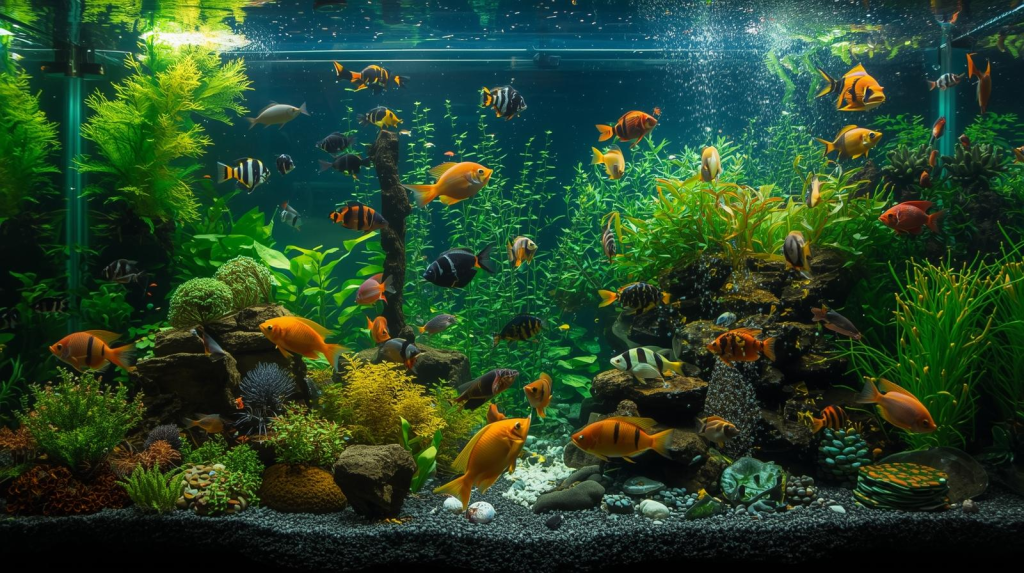

Have you ever looked at your aquarium and felt that it’s lost its sparkle? Just like humans, fish can get bored in a stagnant environment. When the tank layout stays the same for months, your aquatic friends may show signs of lethargy, stress, or even reduced appetite. The good news is that you can easily refresh your aquarium to make it a lively, enriching place again—without completely starting over.
Let’s dive into simple, effective ways to renew your tank’s look and feel while keeping your fish mentally stimulated and physically active.
Why You Should Refresh Your Aquarium Regularly
Refreshing your aquarium isn’t just about making it look good. It’s about improving the quality of life for your fish. Over time, even the most beautifully designed tanks can become monotonous. Fish are curious by nature, and when their surroundings never change, they stop exploring.
A refreshed aquarium:
- Reduces stress and boredom
- Encourages natural behaviors like foraging and hiding
- Keeps your fish physically active and mentally engaged
- Prevents algae buildup and water stagnation
Think of it as redecorating a living room. You’re not throwing away what’s there—you’re reimagining it to make it feel new again.
Recognizing the Signs of Fish Boredom
Before making changes, it’s helpful to understand what boredom looks like in fish. While they don’t yawn or complain, they do have ways of showing they’re unhappy.
Here are common signs:
- Lethargy or lack of movement
- Repetitive swimming patterns (like pacing back and forth)
- Reduced interest in food
- Hiding constantly or floating listlessly
- Fin nipping or aggression toward tank mates
When you notice these signs, it’s time to refresh your aquarium to stimulate their senses and reignite their curiosity.
Step 1: Rearrange the Aquarium Décor
A simple rearrangement can do wonders for your fish’s environment. Changing the layout gives them new territories to explore and new hiding places to investigate. It’s like they’ve just moved into a brand-new home.
- Move plants and rocks: Swap positions or angles to create new sightlines.
- Add or rotate decorations: Replace old ornaments with new ones or rotate them between tanks.
- Vary the levels: Add caves, driftwood, or floating plants to create depth and vertical interest.
Transitioning from a static setup to a dynamic one encourages natural behaviors such as exploring, darting, and hiding.
(Tip: Avoid major overhauls all at once, as sudden changes can stress fish. Make adjustments gradually.)
Step 2: Introduce Natural Elements
One of the best ways to refresh your aquarium is to mimic a natural environment. Nature is never static—it changes constantly with light, movement, and texture.
- Add live plants: Replace fake plants with real ones to oxygenate the water and provide hiding spots.
- Include driftwood or natural rocks: These create new textures and surfaces for algae growth and exploration.
- Vary substrate textures: Mix fine gravel, sand, and smooth pebbles for a realistic landscape.
Natural materials not only beautify your aquarium but also engage your fish’s senses. They can explore, nibble, and interact with their surroundings just as they would in the wild.
Step 3: Stimulate Curiosity with Enrichment
Just like cats or dogs, fish benefit from mental stimulation. Adding enrichment keeps them entertained and helps prevent stress-related behaviors.
Try these ideas:
- Floating toys: Ping-pong balls or floating rings encourage interaction.
- Bubbles and flow changes: Varying the current gives your fish new ways to swim and explore.
- Mirror play: Use a small mirror for a few minutes a day to spark curiosity (not aggression).
- Feeding puzzles: Scatter food in different areas or use feeding rings to make mealtime more interactive.
By refreshing your aquarium with small but thoughtful additions, you give your fish daily opportunities for discovery and play.
Step 4: Adjust the Lighting for Variety
Light plays a huge role in your aquarium’s atmosphere. Fish respond to brightness, shadows, and color changes in fascinating ways.
- Use LED lighting with adjustable settings: Simulate sunrise, sunset, and moonlight.
- Add shaded areas: Floating plants or ornaments that diffuse light create cozy hiding zones.
- Experiment with color tones: Blue or soft white lighting can enhance the natural colors of your fish and décor.
A well-balanced lighting schedule mimics the rhythm of nature and helps maintain a healthy routine for your fish.
Step 5: Keep the Water Fresh and Clean
Refreshing your aquarium also means maintaining pristine water conditions. Dirty water or poor circulation can make your fish sluggish and uncomfortable.
Here’s what to do:
- Perform partial water changes weekly (20–30%)
- Clean filters and remove debris regularly
- Test water parameters for ammonia, nitrate, and pH levels
- Ensure good oxygen flow with an air stone or filter adjustment
Fresh, clean water not only supports fish health but also enhances the clarity and sparkle of your aquarium—making it look and feel like new.
Step 6: Rotate Tankmates and Habitats (When Safe)
If your fish species are compatible, introducing variety through safe rotation can be refreshing. Moving peaceful fish between compatible tanks occasionally gives them new scenery and interactions.
Alternatively, you can:
- Add snails, shrimp, or bottom feeders to create activity diversity
- Introduce new plants or hiding places instead of new fish
- Use dividers to simulate new sections of the same tank
Always research compatibility before introducing new species. A peaceful balance is key to preventing stress and maintaining harmony.
Step 7: Engage the Senses with Feeding Time
Mealtime doesn’t have to be repetitive. You can refresh your aquarium experience by making feeding more natural and interactive.
- Vary the food types: Alternate between flakes, pellets, freeze-dried, and live foods.
- Feed at different locations: Drop food in various spots to encourage exploration.
- Use floating or sinking food: This creates multiple feeding levels, reducing crowding.
This variety simulates natural hunting and foraging, keeping your fish active and mentally alert.
Step 8: Refresh Yourself as a Fish Keeper
Refreshing your aquarium also renews your own enjoyment. When you change up the scenery, you reconnect with your hobby. Cleaning glass, trimming plants, and rearranging décor become creative outlets rather than chores.
Take time to observe how your fish respond to each change. Their renewed energy and curiosity will remind you why aquarium keeping is such a calming, rewarding passion.
And as you experiment with small upgrades over time, you’ll find that maintaining a lively, boredom-free aquarium becomes second nature.
Adding Final Touches: The Little Details Matter
Small touches make a big difference. Consider these final enhancements:
- Place your aquarium in a spot where natural light can play across it.
- Add a background poster to create visual depth.
- Introduce subtle movement with a gentle bubbler or wave maker.
These details not only make your tank more attractive but also keep your fish engaged in an environment that constantly offers something new.
Conclusion
Refreshing your aquarium to prevent fish boredom isn’t just about aesthetics—it’s about creating a thriving, dynamic ecosystem that stimulates both fish and owner alike. By rotating décor, introducing natural elements, varying light and current, and maintaining water quality, you transform a static tank into a living world full of life and curiosity.
When you see your fish exploring, interacting, and showing vibrant colors again, you’ll know you’ve succeeded. A refreshed aquarium isn’t just cleaner—it’s happier, healthier, and infinitely more alive.
FAQ
1. How often should I refresh my aquarium layout?
Every 3 to 4 months is ideal for small adjustments. Major redesigns can be done once or twice a year.
2. Can I change all decorations at once?
It’s best to make gradual changes. Sudden overhauls can stress fish who rely on familiar landmarks.
3. What are the easiest live plants for beginners?
Java fern, Anubias, and Amazon sword are hardy and perfect for most freshwater setups.
4. How can I tell if my fish are stressed after changes?
Watch for rapid gill movement, hiding, or color fading. If these occur, pause changes and give them time to adjust.
5. Do all fish species get bored easily?
Not all, but active species like cichlids, goldfish, and bettas benefit greatly from frequent enrichment and visual variety.