
Many bird owners underestimate how much attention and companionship their feathered friends truly need. Birds are not low-maintenance pets that simply perch quietly all day—they’re intelligent, emotional, and social creatures that crave connection. Leaving birds alone too long isn’t just about loneliness; it can trigger stress, self-destructive behaviors, and long-term emotional harm. Let’s uncover the real consequences of isolation and what you can do to ensure your bird lives a balanced, joyful life.
The Social Nature of Birds
Birds in the wild live in flocks for a reason. They thrive on social interaction, shared foraging, and communication. In captivity, your bird sees you as its flock. When left alone for long hours, it feels abandoned and unsafe, much like a child left home without comfort or guidance.
Most parrots, cockatiels, and budgies form deep emotional bonds with their owners. They remember routines, voices, and even moods. When that daily interaction disappears, their mental stability suffers. This isn’t just anthropomorphism—scientific research shows that birds experience stress and depression similar to mammals when deprived of social contact.
So, when you walk out the door for an eight-hour workday without leaving stimulation behind, your bird doesn’t simply wait—it worries, calls out, and eventually shuts down emotionally.
Emotional Stress and Anxiety in Birds
Have you ever noticed your bird pacing its cage, screaming excessively, or plucking its feathers? These are telltale signs of emotional distress. Prolonged isolation can make your bird feel anxious and insecure. Unlike cats or reptiles, birds don’t have a natural tolerance for solitude.
Over time, stress hormones rise, weakening their immune system. You might not see the effects immediately, but chronic stress often manifests as physical illness, loss of appetite, or even aggression. It’s heartbreaking to think that something as simple as leaving your bird alone too long can cause such suffering—but it’s the reality for many misunderstood pets.
Transitioning gradually to more independent playtime and ensuring stimulation during your absence can help. But total isolation for long periods is never healthy.
Behavioral Problems That Develop Over Time
Leaving birds alone too long doesn’t just cause sadness—it can lead to major behavioral issues. Birds often turn to destructive or repetitive actions to cope with boredom and anxiety.
Common behavioral consequences include:
- Feather plucking – a self-soothing but harmful habit caused by stress.
- Screaming or shrieking – birds vocalize to seek attention or express distress.
- Biting and aggression – frustration may turn into defensive behavior.
- Loss of trust – a once-affectionate bird might become distant or fearful.
Behavioral problems are harder to fix than to prevent. A neglected bird can take months or even years to rebuild confidence and calmness. Remember, parrots in particular have long memories. They remember neglect as vividly as they remember kindness.
The Physical Toll of Loneliness
It’s easy to assume loneliness only affects emotions—but it affects the body, too. Birds deprived of stimulation and companionship can suffer from weakened immune systems, irregular molting cycles, and even digestive issues.
Some may develop repetitive wing-flapping or pacing that burns excessive energy, while others may stop exercising entirely and gain unhealthy weight. Without mental and physical enrichment, their bodies and minds fall out of balance.
Just as humans need social activity to thrive, so do birds. Keeping them cooped up in silence for hours or days without visual or auditory engagement slowly chips away at their vitality.
The Importance of Mental Stimulation
Mental stimulation is to birds what oxygen is to humans—vital for survival. Intelligent species like African Greys, Cockatoos, and Conures require consistent enrichment. When left alone too long, their sharp minds become restless and confused.
Try leaving safe toys, puzzle feeders, and interactive mirrors in the cage. Rotate them regularly so your bird doesn’t get bored. Playing recorded bird sounds or soft music can also simulate the chatter of a flock, reducing loneliness.
Better yet, train your bird to associate your absence with rewards. Leave a foraging toy filled with treats just before you leave. This creates positive anticipation rather than distress. Transition words like “before,” “next,” and “finally” can help your bird learn routines—birds love predictability.
How Long Is Too Long to Leave a Bird Alone?
There’s no universal rule, but most experts agree that leaving birds alone for more than 4 to 6 hours at a time can be problematic, especially for young or recently bonded birds. Smaller species like parakeets and lovebirds crave near-constant social interaction, while larger parrots can tolerate slightly more alone time if properly enriched.
However, even the calmest bird shouldn’t go an entire day without hearing a voice, seeing movement, or having something to engage with. If you work long hours, consider these strategies:
- Use background sounds: Play bird-friendly videos or gentle classical music.
- Add environmental variety: Move the cage near a window (away from drafts) so your bird can watch the outside world.
- Have a companion bird: Some species benefit from a bonded partner of the same kind.
- Hire a bird sitter: Even 15 minutes of midday interaction can prevent emotional decline.
Balance is key—your bird needs connection but also rest. A healthy daily rhythm mimics natural patterns: active mornings, midday stimulation, and quiet evenings.
Reconnecting After Time Apart
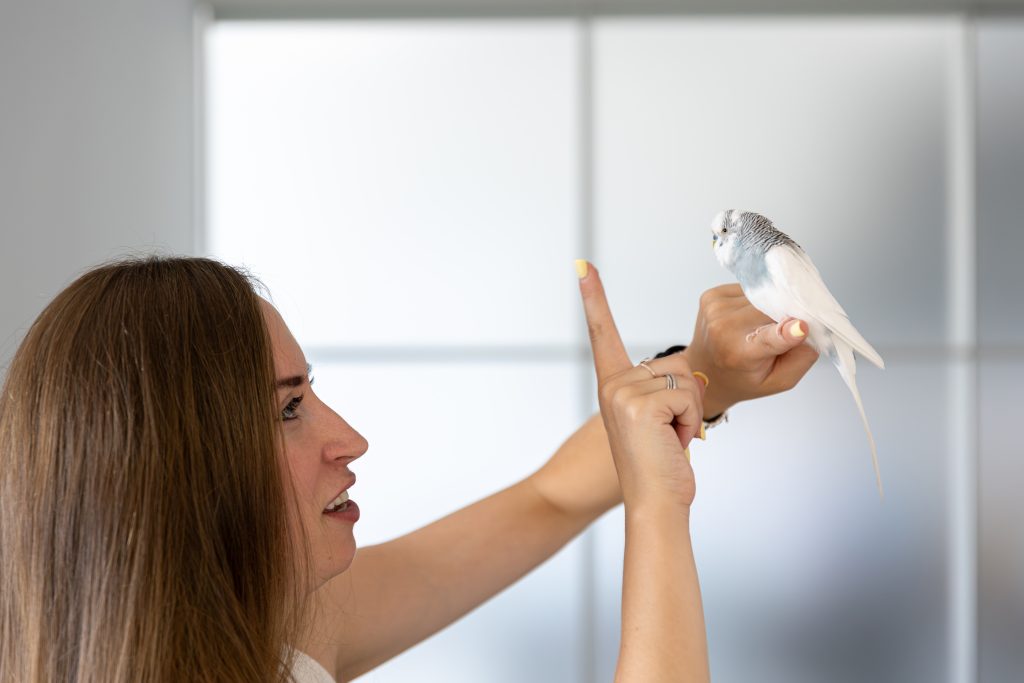
Coming home after a long day should be more than a quick hello. Birds remember how you make them feel. When you walk in, speak softly, open the cage door, and let your bird perch near you. Give it time to reconnect.
Avoid rushing or forcing interaction if your bird seems distant. Guilt can make you overcompensate, but patience rebuilds trust far more effectively. Reward calm behavior and re-establish your presence through gentle talking, training, or shared routines like feeding or grooming.
When your bird feels emotionally safe again, it will sing, preen, and nuzzle like before. That’s the beauty of trust—once regained, it deepens your bond.
Creating a Healthy Daily Routine
The best way to prevent the dangers of leaving birds alone too long is to create structure. Birds love consistency. Establish a morning routine where you greet them, feed them, and give them attention.
During your absence, leave stimulating toys, mirrors, or recordings. In the evening, set aside quality time—let your bird perch on your shoulder while you read or watch TV. Even background companionship counts.
Routine tells your bird it’s part of your life, not an afterthought. It also reduces anxiety because they know what to expect each day.
By balancing independence with connection, you’ll foster a happier, healthier companion that thrives instead of merely existing.
Building an Enriched Environment
A cage is a bird’s home—but without stimulation, it’s just a prison. Make the environment dynamic with different perches, safe branches, chewable toys, and swings.
Rotate enrichment items weekly to prevent boredom. Place some higher and others lower to encourage exploration. Offer foraging opportunities by hiding treats under paper or inside toys.
Enrichment isn’t just physical—it’s emotional. Birds need a sense of accomplishment, curiosity, and play. An enriched environment gives them purpose even when you’re not around.
Conclusion
Leaving birds alone too long is more harmful than most owners realize. These intelligent, emotional creatures depend on interaction, stimulation, and companionship. Prolonged isolation leads to stress, health issues, and behavioral breakdowns.
But with thoughtful planning—consistent routines, mental enrichment, and loving communication—you can ensure your bird feels secure, active, and connected even when you’re away.
Ultimately, birds don’t need perfection; they need presence. A few minutes of daily connection can make the difference between a lonely life and a joyful partnership filled with song and trust.
FAQ
1. How long can I safely leave my bird alone?
Ideally, no more than 4 to 6 hours at a time. Birds need social interaction, so longer absences require enrichment and background stimulation.
2. Can I leave my bird overnight?
You can if it’s used to a nighttime routine, but ensure it has food, water, and a covered cage for security. Try not to leave it alone multiple nights in a row.
3. What are signs my bird is lonely?
Excessive screaming, feather plucking, loss of appetite, or aggressive behavior often indicate loneliness or anxiety.
4. Will getting another bird help?
Yes, if introduced carefully. Many species thrive with a companion, but monitor for compatibility before housing them together.
5. What can I do if I work long hours?
Provide mental stimulation through toys, music, and routines. Hire a sitter or ask a friend to visit occasionally to maintain your bird’s social health.