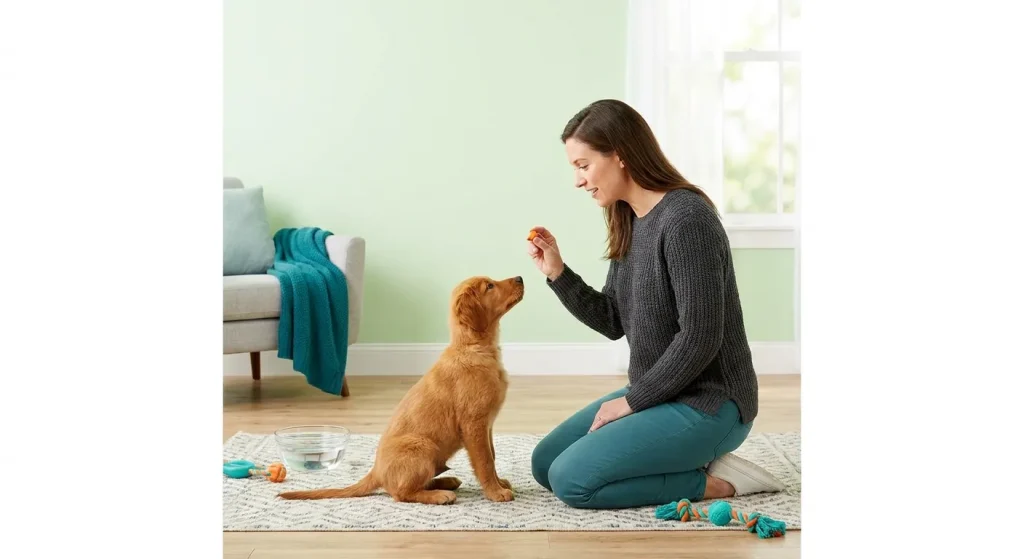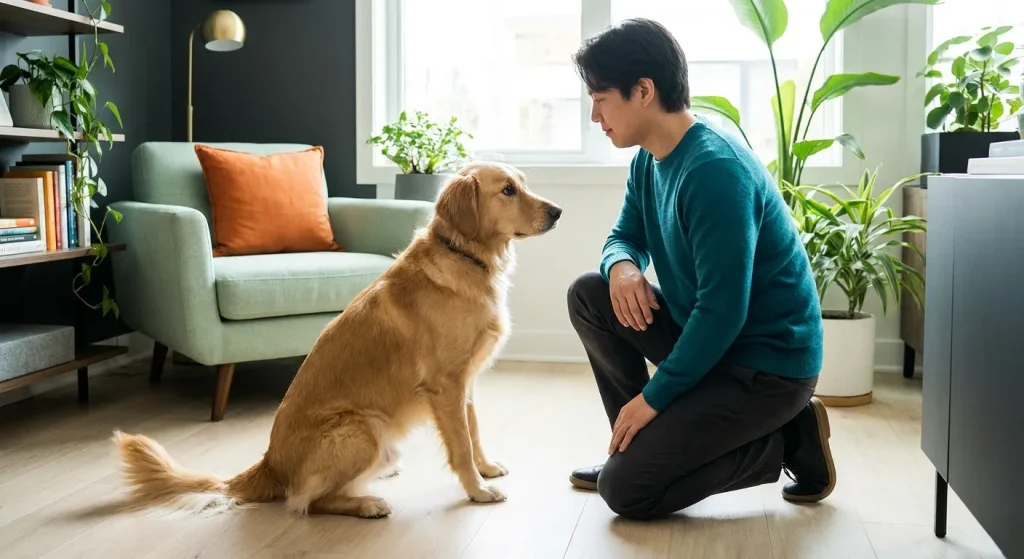
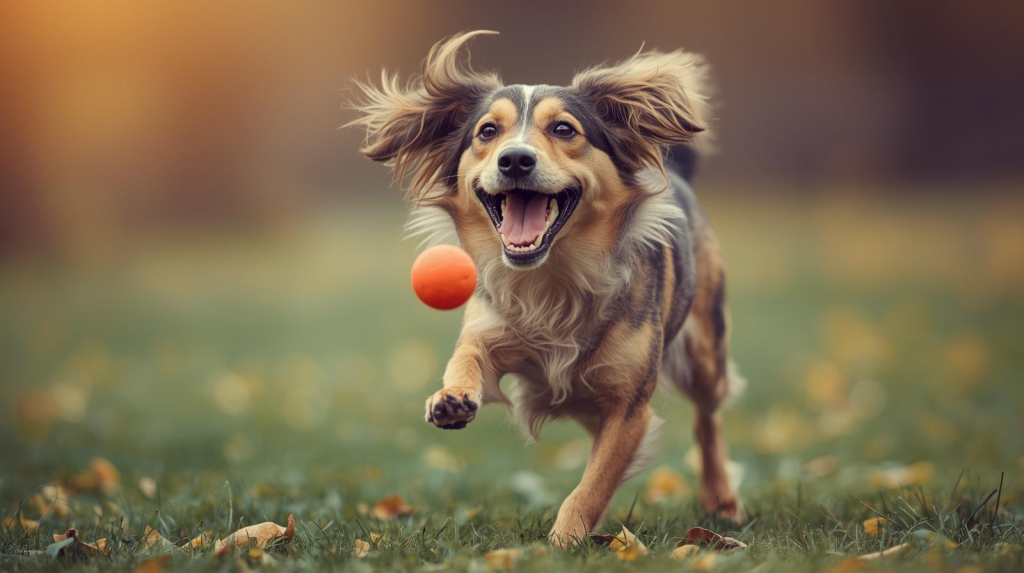

If you’ve ever seen your dog chew a shoe, dig in the yard, or bark for no reason, chances are it’s not misbehavior—it’s boredom. Just like humans, dogs need both physical and mental exercise. Without enough mental stimulation, even the most obedient pup can turn restless. That’s where brain games come in. The best brain games for dogs don’t just entertain—they challenge, engage, and strengthen your bond.
Let’s dive into how these games can transform your dog’s day from dull to delightful, while giving their mind a serious workout.
Why Mental Stimulation Matters for Dogs
Physical exercise is essential, but it only scratches the surface of your dog’s needs. Mental exercise, or “brain work,” taps into their natural instincts to solve problems, hunt, sniff, and think. When dogs use their brains, they’re calmer, happier, and less likely to engage in destructive behavior.
Imagine going for a run without ever reading, learning, or playing games. You’d get bored quickly, right? Dogs feel the same way. Giving them challenges to solve keeps their minds fresh and their moods balanced.
Brain games for dogs also boost confidence—especially for shy or anxious pups. When they solve puzzles or follow cues successfully, they feel a sense of accomplishment that builds trust and self-assurance.
Simple Nose Work Games to Engage the Senses
A dog’s nose is its superpower. It’s how they experience the world. Nose work games channel this natural skill into fun mental workouts.
1. Treat Treasure Hunt
Hide treats around your living room or yard and let your dog sniff them out. Start easy, then make it trickier by placing treats under cups, behind cushions, or in boxes. This game stimulates your dog’s natural hunting instincts and keeps them entertained for hours.
2. Shell Game
Place a treat under one of three cups, shuffle them, and encourage your dog to find it. Dogs love the challenge, and it sharpens their focus and problem-solving skills.
3. Snuffle Mat Adventure
A snuffle mat mimics grass or leaves where treats are hidden. Scatter kibble throughout the mat and let your dog forage. It’s a simple, low-impact brain game that provides tons of enrichment.
Interactive Toys That Challenge the Mind
When you’re busy but still want your pup to stay engaged, interactive toys are lifesavers. These toys combine playtime with problem-solving and are some of the best brain games for dogs available.
1. Puzzle Feeders
These toys require your dog to manipulate parts or move objects to get their food. Popular versions include sliding tiles, spinning wheels, or compartments that open when nudged correctly. Puzzle feeders slow down eating while stimulating your dog’s brain.
2. Kong Toys
A Kong filled with peanut butter, yogurt, or kibble keeps dogs mentally and physically occupied. For added difficulty, freeze it overnight. Dogs love the challenge of getting every last bit out.
3. Ball Launchers and Treat Dispensers
Modern toys combine technology with fun. Automatic ball launchers encourage active play, while treat-dispensing toys reward curiosity and persistence.
These tools not only entertain but also teach patience and problem-solving—skills every dog can benefit from.
Training Games That Double as Brain Boosters
Training doesn’t have to be dull. Turn obedience practice into playtime to make it one of the best brain games for dogs and strengthen your relationship at the same time.
1. Hide and Seek
Ask your dog to sit and stay, then go hide somewhere in the house. Call their name and reward them when they find you. This simple game teaches focus, patience, and recall while adding excitement to their day.
2. Name That Toy
Start by teaching your dog the name of one toy. When they master it, add more. Dogs can learn dozens of object names, and this memory challenge keeps their minds sharp.
3. Obstacle Course Challenge
Use items from around your home to create a DIY agility course—chairs to jump over, tunnels made of blankets, or a broomstick to crawl under. Give commands like “over,” “under,” and “through” as they navigate. It’s physical, mental, and loads of fun.
Social Brain Games to Build Confidence
Dogs are social learners. Interacting with other dogs or people in structured play strengthens their social skills and confidence.
1. Group Training Classes
Enroll your dog in a group obedience or trick class. They’ll learn to focus around distractions, take cues, and respond calmly in different environments.
2. Doggy Playdates with a Twist
Organize playdates where dogs take turns doing tricks or following cues. For example, one sits while the other fetches. It’s a cooperative way to practice impulse control and attention.
3. Find-the-Human
Have family members hide around the house. When your dog finds someone, they get a treat or praise. This promotes scent tracking and social excitement.
Creative DIY Brain Games at Home
You don’t need fancy equipment to challenge your dog’s brain. With a little creativity, everyday items can become puzzle tools.
1. Towel Roll Treats
Roll up treats in a towel and let your dog figure out how to unroll it. This simple task sharpens problem-solving and coordination.
2. Cardboard Box Puzzles
Cut holes in a cardboard box, drop in treats or toys, and let your dog use their nose and paws to retrieve them. It’s low-cost and endlessly entertaining.
3. Muffin Tin Game
Place treats in a muffin tin and cover them with tennis balls. Your dog must move the balls to find the rewards. It’s one of the most affordable and effective enrichment activities.
Outdoor Brain Games for Dogs
Fresh air plus mental challenge equals pure joy. Take your dog’s learning outside to engage their instincts in a natural environment.
1. Scavenger Hunt Walks
Instead of a routine walk, make it interactive. Hide small treats along the way or encourage your dog to find specific items—like a stick or a leaf. This turns every walk into an adventure.
2. Water Fetch
For dogs who love swimming, toss floating toys into shallow water. Retrieving them works both their body and brain, improving coordination and focus.
3. Scent Trails
Lay a scent trail using a treat or favorite toy, then hide the object at the end. Watching your dog track it down with determination is pure satisfaction—for both of you.
When and How to Rotate Brain Games
Just like humans, dogs can get bored with repetition. To keep their minds active, rotate different brain games throughout the week. Introduce new challenges gradually so your dog doesn’t get frustrated. For example:
- Monday: Snuffle mat or puzzle feeder
- Wednesday: Hide and seek
- Friday: DIY obstacle course
- Sunday: Scavenger hunt walk
Each new challenge keeps their brain guessing and excitement levels high. Consistency builds cognitive endurance, while variety prevents boredom.
Signs Your Dog Needs More Mental Stimulation
Wondering if your dog is getting enough brain exercise? Look for these signs:
- Destructive chewing or digging
- Barking for attention
- Restlessness even after walks
- Ignoring commands or appearing disengaged
- Overexcitement in calm environments
If you spot these behaviors, adding a few of the best brain games for dogs can make a big difference. Within days, you’ll notice a calmer demeanor, better focus, and improved obedience.
Benefits Beyond Boredom
Brain games do more than keep your dog busy. They enhance memory, reduce anxiety, and even slow cognitive decline in older dogs. Regular mental stimulation can also strengthen your bond, as your dog learns to trust and depend on you during play.
For puppies, brain games accelerate learning and socialization. For adult dogs, they provide balance and structure. And for seniors, they preserve sharpness and mobility. It’s a lifelong investment in their happiness.
Conclusion
Keeping your dog mentally engaged is just as important as physical play. The best brain games for dogs transform boredom into excitement, strengthen your bond, and promote lifelong wellbeing. Whether it’s a snuffle mat, puzzle toy, or simple hide-and-seek session, every mental challenge makes a difference.
Start small, be consistent, and watch your dog thrive—not just as a pet, but as a thinking, curious companion who loves learning as much as playing.
FAQ
1. How often should I play brain games with my dog?
Ideally, spend at least 15–30 minutes a day on mental stimulation. Mix it up with physical play for the best results.
2. Are brain games good for senior dogs?
Yes! Brain games help older dogs stay sharp, reduce anxiety, and prevent cognitive decline.
3. What if my dog gets frustrated with puzzles?
Start with easier games and offer encouragement. Gradually increase difficulty as your dog’s confidence grows.
4. Can brain games replace walks?
No. Brain games complement physical exercise but don’t replace it. A healthy dog needs both body and mind workouts.
5. What’s the easiest brain game for beginners?
The treat treasure hunt or muffin tin game are great starting points. They’re simple, rewarding, and fun for dogs of all ages.