
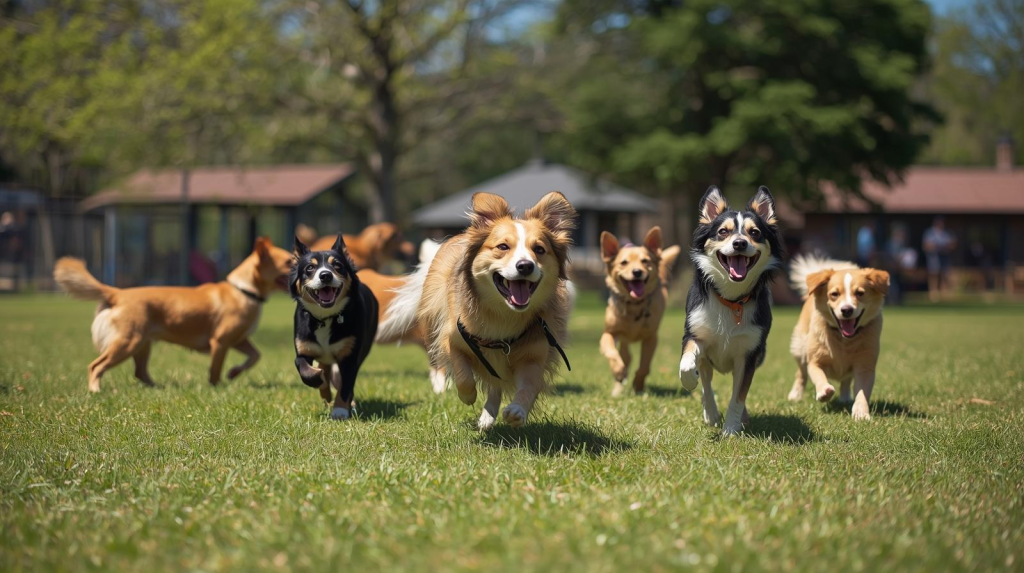

There’s something magical about watching your dog sprint across an open field, tail wagging, eyes sparkling with joy. That’s the magic of the dog park. These visits do far more than just let your dog stretch their legs—they can transform your pet’s overall well-being. From mental stimulation to emotional balance, regular dog park visits are a powerful way to boost happiness and strengthen your bond.
Let’s dig deeper into why a simple park trip might be the best thing you ever add to your dog’s routine.
The Joy of Freedom and Exploration
Dogs crave freedom. The moment that leash comes off, it’s as if a weight lifts from their spirit. The park offers space to roam, sniff, and explore—activities that mirror their natural instincts. This sense of exploration doesn’t just make them happy; it satisfies their primal need to experience the world through scent, sound, and motion.
When your dog explores new terrains, it triggers their curiosity and builds confidence. Each new smell or sight becomes a small adventure. That stimulation keeps their brain sharp and emotions balanced, much like how travel broadens a person’s mind.
Freedom also helps release pent-up energy. Without it, many dogs develop behavioral issues like barking, chewing, or restlessness. A dog park visit acts as a healthy release valve—turning potential stress into joyful energy.
Socialization: The Key to Emotional Growth
Humans thrive on social connection, and so do dogs. A dog park is like a social club for canines. It’s where they learn to read cues, communicate, and establish comfort around other dogs.
Through these interactions, dogs develop emotional intelligence. They learn patience, cooperation, and respect for personal space. This reduces fear and aggression toward unfamiliar dogs or people. A well-socialized dog is calmer, more confident, and generally happier.
And it’s not just about dog-to-dog contact. Parks bring together pet owners, too. When you chat with other dog lovers, your pet senses your relaxed energy. Dogs are intuitive—they pick up on your emotions. If you’re happy and social, they feel it too.
So, a park visit becomes a shared experience—a moment where both of you connect with others and come home with lifted spirits.
Exercise That Feeds the Soul
Exercise is the heartbeat of happiness—for humans and dogs alike. Regular activity keeps your pet physically fit and mentally sharp. A run at the park improves cardiovascular health, strengthens muscles, and helps manage weight.
But beyond the physical benefits, there’s an emotional payoff. Exercise releases endorphins, those “feel-good” hormones that boost mood and reduce anxiety. A dog who gets plenty of playtime is less likely to be destructive or hyperactive at home.
Every fetch, chase, or playful wrestle with another pup adds to your dog’s joy reservoir. These activities channel energy into positive expression. Plus, when you join in—throwing a ball or running alongside them—you become part of the fun. It strengthens your bond in the most natural way possible.
Simply put, play is therapy. A park visit transforms routine exercise into a happiness ritual your dog will always look forward to.
Mental Stimulation: A Workout for the Brain
Ever notice how tired your dog seems after a park visit—even if they didn’t run that much? That’s because dog parks engage more than muscles—they engage minds.
A dog’s nose is its superpower. Every patch of grass holds a thousand invisible stories, and sniffing them all is like reading a mystery novel. This olfactory exploration exercises their brain, keeping them mentally active and curious.
Beyond sniffing, there’s problem-solving, too. Navigating unfamiliar terrain, reacting to new dogs, or following complex scents challenges your dog’s thinking skills. Dogs that use their brains daily are less prone to boredom-based issues like digging or excessive barking.
Just as puzzles keep human minds young, mental stimulation from park visits helps your dog stay sharp and emotionally balanced.
Confidence and Independence Through Play
Confidence is an underrated part of dog happiness. Shy or anxious dogs often blossom after a few positive park experiences. Meeting new dogs, exploring without a leash, and successfully navigating different social situations all boost self-assurance.
At first, some dogs may feel overwhelmed. That’s perfectly normal. The key is gradual exposure—short visits, quiet times of day, and positive reinforcement. Over time, they’ll associate the park with fun and freedom.
Confidence gained at the park often translates to other areas of life. Your dog might walk taller, respond faster to commands, or approach new environments more eagerly. It’s growth that you can see and feel.
Reducing Stress and Curbing Destructive Behavior
A stressed dog is often a restless one. Lack of physical and emotional outlets can cause frustration, leading to chewed shoes, scratched furniture, or constant barking.
Dog park visits work like nature’s stress reliever. The wide-open space, new smells, and playful energy help drain anxiety. A well-exercised dog returns home relaxed, calm, and content.
Think of it as a mental reset button. Just as humans feel refreshed after a jog or yoga session, dogs experience peace after vigorous play and exploration. Over time, this reduces destructive tendencies and fosters better behavior at home.
Strengthening the Human–Dog Bond
Your dog doesn’t just love the park—they love going there with you. Every trip signals adventure, connection, and trust. When you walk through those gates together, your dog sees you as the leader of the pack, the one who provides fun and safety.
Even if you’re not actively playing the whole time, your presence matters. Watching your dog interact, calling their name, or sharing a drink of water reinforces your connection.
The more shared experiences you have, the stronger your bond becomes. And that relationship—the quiet trust, the mutual joy—is the foundation of your dog’s happiness.
Safety Tips for a Happy Dog Park Experience
Dog parks are wonderful, but they do require mindfulness. To keep visits positive, follow a few simple guidelines:
- Observe before entering. Check the park’s energy level and the behavior of other dogs.
- Know your dog’s limits. Overstimulation can cause stress, especially in young or anxious dogs.
- Bring water. Hydration keeps your dog healthy and prevents overheating.
- Use positive cues. Reinforce good behavior with treats or verbal praise.
- Clean up after your pet. It keeps the park safe and enjoyable for everyone.
With a bit of care, every visit can be a safe and rewarding adventure.
The Ripple Effect: Happier Dog, Happier Home
When your dog is fulfilled—physically, mentally, and emotionally—it affects everything. You’ll notice improved obedience, less restlessness, and more affection. Their happiness radiates into your home, creating harmony and joy in your shared space.
It’s not just about running around for an hour. It’s about nurturing a sense of freedom, trust, and contentment. Dog park visits offer all of that in one simple, joyful routine.
Conclusion
Happiness for dogs isn’t just about toys, treats, or comfort—it’s about experiences. Dog park visits combine everything they crave: exercise, exploration, socialization, and connection. They build confidence, ease stress, and deepen your bond.
Next time you grab that leash, think of it as unlocking a door to joy. Because every trip to the dog park isn’t just a walk—it’s an adventure that feeds your dog’s soul.
FAQ
1. How often should I take my dog to the park?
Most dogs benefit from 2–3 park visits per week, but high-energy breeds may need more frequent trips.
2. Are dog parks safe for puppies?
Yes, as long as your puppy is fully vaccinated and the park allows young dogs. Choose calm times to avoid overwhelming them.
3. What should I bring to a dog park?
Water, waste bags, a leash, and treats for positive reinforcement. Optional toys can add fun but monitor sharing.
4. How do I handle aggressive dogs at the park?
Stay calm, recall your dog, and exit the area if needed. Avoid confrontation and report repeated issues to park staff.
5. Can dog parks help with anxiety or behavioral issues?
Absolutely. Regular visits reduce anxiety, build confidence, and redirect energy toward positive social and physical activity.