
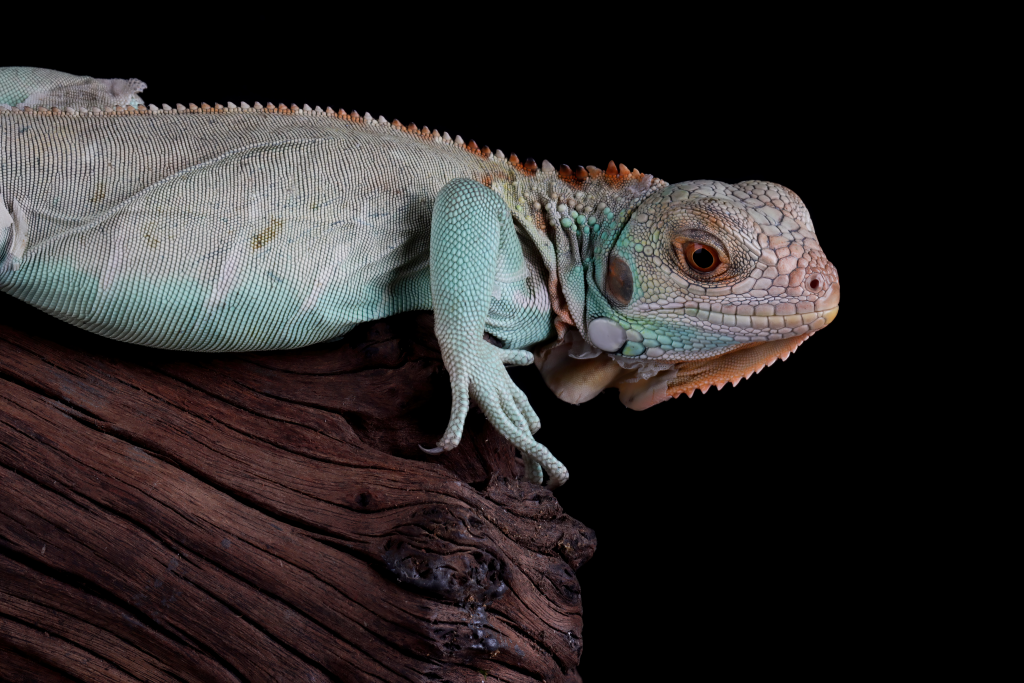

If you’ve just brought home a baby bearded dragon, congratulations—you’ve got one of the most charming reptile companions around. But here’s the thing: these little dragons grow fast, and their diet plays a huge role in how strong, colorful, and healthy they become. Think of feeding your baby beardie as fueling a high-performance machine—it needs the right balance of protein, greens, and supplements to thrive. Let’s break down everything you need to know to create the perfect baby bearded dragon diet.
Understanding a Baby Bearded Dragon’s Nutritional Needs
Baby bearded dragons (under six months old) are in their most rapid growth phase. During this stage, they require a high-protein diet to build strong muscles and bones. While adults eat more greens, babies need mostly insects.
In general, aim for about 70–80% insects and 20–30% vegetables in their daily diet. This ratio gradually reverses as they age. A healthy balance ensures they develop strong bones, vibrant colors, and a good immune system.
You can think of it like feeding a growing athlete—protein for muscle development, vegetables for vitamins and minerals, and calcium for sturdy bones.
Best Insects for Baby Bearded Dragons
When choosing insects, freshness, size, and variety matter. Avoid anything too large; a good rule is to never feed insects larger than the space between your dragon’s eyes. Large bugs can cause choking or digestion problems.
Crickets
Crickets are the gold standard for a baby bearded dragon diet. They’re high in protein, affordable, and easy to find. Make sure they’re gut-loaded (fed with nutritious food) before feeding them to your beardie.
Feed them live crickets two to three times per day. Babies often eat between 20–60 small crickets daily depending on their size and appetite.
Dubia Roaches
Dubia roaches are a close second and often preferred by seasoned reptile owners. They’re more nutritious than crickets, lower in fat, and don’t smell. Plus, they can’t climb smooth surfaces or jump—making feeding less stressful for you.
Black Soldier Fly Larvae
These larvae are calcium-rich, which helps prevent metabolic bone disease. They can be a perfect addition to your baby’s insect rotation and are softer than most worms, making them easy to digest.
Small Mealworms and Superworms
While mealworms are high in protein, their hard chitin shells can be tough on a baby’s stomach. Offer them occasionally as treats rather than daily meals. Superworms should only be introduced once your beardie is older (about 5–6 months).
Avoid Wild-Caught Insects
Never feed insects caught outside. They may carry pesticides, parasites, or bacteria harmful to reptiles.
Essential Greens and Vegetables
Even though insects make up most of a baby bearded dragon’s diet, introducing greens early helps them develop good eating habits. Offering veggies daily ensures a smooth transition as they mature.
Best Greens to Offer
- Collard greens
- Mustard greens
- Dandelion greens
- Turnip greens
- Endive and escarole
These leafy greens provide vitamins A and K, fiber, and essential minerals for bone and skin health.
Vegetables to Include
- Squash (butternut, acorn, or spaghetti)
- Bell peppers
- Carrots (grated)
- Green beans
- Sweet potatoes (cooked and mashed)
Chop vegetables finely to make them easier for your beardie to chew and digest. Mix a small amount with insects to encourage them to eat both.
Avoid Certain Greens
Stay away from spinach, iceberg lettuce, and kale. Spinach and kale bind calcium, preventing absorption, while iceberg lettuce lacks nutrition and can cause diarrhea.
Fruits: Occasional Treats
Fruits should only make up a very small part of a baby bearded dragon diet—think once or twice a week at most. They’re high in sugar and water, which can upset digestion if given too often.
Good fruit options include:
- Blueberries
- Mango
- Strawberries
- Papaya
- Apples (peeled and chopped)
A few small pieces will do. Fruits are more like dessert than a main course in the reptile world.
The Importance of Supplements
Even with a balanced diet, baby bearded dragons need calcium and vitamin supplements to prevent deficiencies and ensure proper bone growth.
Calcium with Vitamin D3
Dust your baby’s insects with a reptile-safe calcium powder that includes Vitamin D3 about five times a week. This helps your dragon absorb calcium properly and prevents metabolic bone disease—a common and serious issue in reptiles.
Multivitamin Powder
Use a reptile multivitamin supplement twice a week. This supports immune function, growth, and organ health.
How to Apply
Place insects in a plastic bag with a pinch of supplement powder and gently shake until lightly coated. Avoid overcoating, as it can deter your dragon from eating.
Feeding Schedule for Baby Bearded Dragons
Baby beardies are little eating machines. They grow fast and burn energy constantly. You’ll need to feed them several small meals a day.
Here’s a good routine:
- 0–3 months: Feed 3 times daily (mostly insects)
- 3–6 months: Feed 2–3 times daily
- After 6 months: Gradually reduce insect feedings and increase vegetables
Each feeding session should last about 10–15 minutes. Let your dragon eat as many insects as it wants during this time, then remove any uneaten bugs.
Hydration and Water Needs
Baby bearded dragons get most of their moisture from food, but they still need access to clean water daily. Use a shallow dish they can’t drown in and change it regularly.
You can also lightly mist your dragon or drip water on their snout with a dropper—most will lick it off instinctively. Occasional warm baths (around 95°F) also help with hydration and shedding.
Creating a Positive Feeding Environment
Feeding time should be stress-free. Make sure your baby dragon feels safe and comfortable. Avoid loud noises, bright lights, or sudden movements that can distract or scare them.
Keep their enclosure warm during feedings—around 95–105°F in the basking area—as warmth helps with digestion and metabolism. A cold or stressed dragon won’t eat well.
Common Feeding Mistakes to Avoid
Even well-meaning reptile owners make feeding errors that can harm their pet’s health. Avoid these pitfalls:
- Feeding oversized insects: Can cause impaction or choking.
- Skipping supplements: Leads to calcium deficiency.
- Relying on mealworms: Too fatty and hard to digest for young dragons.
- Feeding too little: Baby dragons need frequent, high-protein meals.
- Ignoring hydration: Dehydration can cause lethargy and digestive issues.
By staying mindful of these mistakes, you’ll support a healthy appetite and steady growth.
How Growth Changes Diet Over Time
As your baby bearded dragon grows, its diet shifts naturally toward more plant matter. Around six months old, you can start increasing the proportion of vegetables while decreasing insects.
By one year, the ratio flips—your adult dragon will thrive on roughly 70% greens and 30% insects. Maintaining this balance prevents obesity and supports long-term health.
Recognizing a Healthy, Well-Fed Baby Dragon
You can spot a healthy baby bearded dragon by its energy, alertness, and appetite. It should have bright eyes, smooth skin, a plump tail base, and regular bowel movements. Poor appetite, lethargy, or shaky limbs could indicate a dietary imbalance or illness.
Remember, consistency is key. Small mistakes here and there won’t ruin your beardie’s health, but long-term neglect or poor nutrition can have serious consequences.
Conclusion
Feeding a baby bearded dragon isn’t complicated—it’s about balance, variety, and routine. With the right mix of insects, greens, and supplements, you’ll give your beardie everything it needs to grow into a strong, vibrant adult. Think of every meal as an investment in their future health and personality. Keep it fresh, consistent, and backed by love—and you’ll have a thriving little dragon that lights up your home for years to come.
FAQ
1. How often should I feed my baby bearded dragon?
Feed them 2–3 times a day, allowing them to eat as many insects as they can in 10–15 minutes per meal.
2. Can baby bearded dragons eat mealworms?
They can, but only occasionally. Mealworms are hard to digest and should not be a daily food source for babies.
3. What vegetables are best for baby bearded dragons?
Offer collard greens, mustard greens, dandelion greens, and small amounts of squash or bell peppers.
4. How do I prevent metabolic bone disease in my dragon?
Provide calcium with Vitamin D3 supplements five times weekly and ensure proper UVB lighting in their habitat.
5. Should I feed fruits daily to my baby dragon?
No. Fruits should only be occasional treats because of their high sugar and water content.