
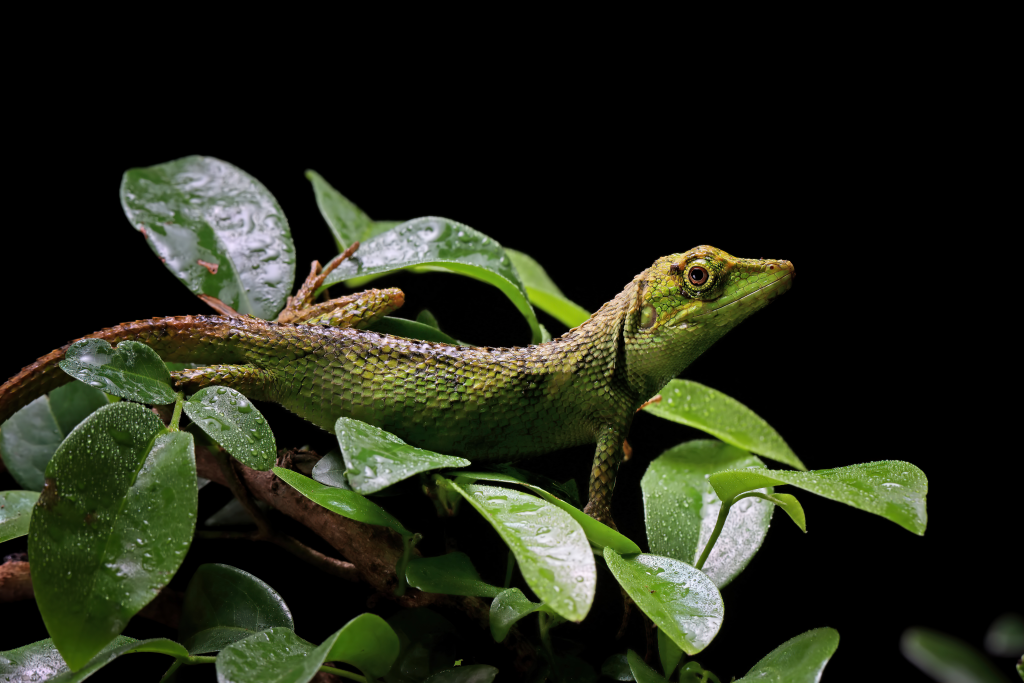

Creating the perfect environment for your reptile isn’t just about temperature and lighting—it’s about stimulating their mind and instincts. Imagine living in an empty room with just food and water. You’d survive, sure, but would you thrive? Your reptile feels the same way. Enrichment through smart habitat upgrades can make a world of difference in their health, happiness, and behavior.
Let’s explore how you can transform a plain terrarium into a dynamic ecosystem that mimics the wild, using creativity, technology, and thoughtful design.
Why Reptile Enrichment Matters
Reptiles are often misunderstood as simple creatures, but they’re far from it. Every movement, from basking to hiding, has meaning. In nature, reptiles face challenges—hunting, climbing, and regulating temperature across vast landscapes. In captivity, those experiences vanish unless we intentionally recreate them.
Without stimulation, reptiles can become lethargic, stressed, or even aggressive. Smart habitat upgrades restore that sense of purpose and curiosity. By enriching their environment, you tap into their instincts—allowing them to behave naturally, explore confidently, and stay mentally sharp.
Smart Temperature and Lighting Systems
Temperature and lighting control are the foundation of any reptile enclosure. But what if your setup could mimic sunrise, sunset, and even seasonal changes automatically?
Smart thermostats and programmable lighting systems do exactly that. They adjust temperature and brightness gradually, creating a natural rhythm your reptile can feel. A bearded dragon, for instance, benefits from UVB cycles that replicate real daylight hours. These transitions signal feeding times, rest, and activity periods, keeping their biological clock on track.
Motion or heat sensors can even detect when your reptile enters specific zones, activating localized heat lamps or dimming lights. This automation not only saves energy but also promotes self-regulation—your reptile learns to move through microclimates just like in the wild.
Dynamic Terrarium Layouts
Think of your reptile’s enclosure as a 3D playground. Static designs get boring, but dynamic layouts encourage exploration. Every few months, rearrange hides, climbing branches, and basking spots. Even small changes—like moving a log or altering a cave’s entrance—can reignite curiosity.
For arboreal reptiles like chameleons or geckos, vertical space is key. Add modular climbing structures or suction-cup vines that let you reconfigure paths easily. Terrestrial species, such as leopard geckos or tortoises, appreciate new textures—smooth stones, rough bark, or sandy hills.
Variety sparks movement and observation. When your reptile investigates something new, you’re witnessing enrichment in action.
Smart Misting and Humidity Control
Humidity plays a huge role in reptile health, especially for tropical or semi-arid species. A smart misting system allows you to automate moisture cycles that mimic rainfall or morning dew. Some advanced models can even connect to smartphone apps, so you can adjust humidity remotely or monitor real-time levels.
This automation eliminates guesswork. Instead of manually spraying, you maintain consistency—reducing stress and supporting healthy shedding. A crested gecko, for instance, thrives when humidity spikes gently before dawn and tapers off mid-morning.
You can also add soil sensors that measure moisture deep in the substrate. This ensures your reptile’s environment stays balanced, preventing respiratory issues or overly dry skin.
Interactive Feeding Techniques
Feeding time is one of the best opportunities for behavioral enrichment. In the wild, reptiles work for their food. By introducing challenge-based feeding, you turn mealtime into a rewarding mental workout.
Try hiding insects under leaves, inside cork tunnels, or within puzzle feeders. For larger species, use motion-activated feeders that release prey intermittently. This unpredictability keeps them alert and engaged.
Another idea? Use a camera or motion sensor to track feeding behavior. Over time, you’ll notice patterns—what time your reptile prefers to hunt, where they stalk prey, or how quickly they respond. These insights help fine-tune both diet and environment.
Naturalistic Substrates and Microhabitats
A smart habitat goes beyond decor—it’s about microhabitats that serve different needs. Layering your substrate creates temperature and humidity gradients, allowing reptiles to choose where they feel most comfortable.
For example:
- Top layer: Dry sand or bark for basking.
- Middle layer: Moist soil for burrowing.
- Bottom layer: Gravel for drainage and airflow.
Adding live plants enhances both aesthetics and function. Plants absorb humidity, produce oxygen, and provide shelter. Snake plants, pothos, or ferns can thrive in many enclosures while supporting microclimates.
Don’t forget bioactive setups—ecosystems with cleanup crews like springtails and isopods. These micro-inhabitants break down waste naturally, keeping the habitat cleaner and more self-sustaining.
Sensory Enrichment Through Sound and Smell
Here’s something many reptile owners overlook: sensory enrichment. Reptiles have finely tuned senses, and subtle environmental cues can influence their comfort and behavior.
Try adding ambient background sounds—like rainforest rainfall or desert winds—to mimic their native habitat. Just keep it subtle; loud or sudden noises can cause stress. You can also introduce mild scents using natural leaves or bark from safe plants.
These sensory layers make the enclosure feel alive, stimulating instinctive responses like foraging or seeking shelter.
Using Technology to Track Behavior
Technology isn’t just for convenience—it’s for understanding. Smart cameras, motion trackers, and temperature sensors help you observe your reptile’s natural rhythms without disturbing them.
By analyzing data, you can learn when they bask most, how often they hide, or where they spend time. This knowledge helps you identify stress triggers, improve layouts, and ensure their environment meets biological needs.
Some apps even chart behavioral trends over weeks or months. With this information, you can make micro-adjustments—like shifting a heat lamp slightly or adding another climbing point—that improve comfort and engagement.
Creating Seasonal and Environmental Variation
Even in captivity, reptiles benefit from environmental changes. You can simulate seasons by adjusting temperature, light cycles, and humidity over time. Gradually lower light duration to mimic winter, then extend it to simulate spring.
This cyclical change can stimulate breeding behaviors, improve appetite, and keep metabolism healthy. It also mirrors the ebb and flow of the wild—preventing boredom and maintaining vitality.
If your setup allows, introduce temporary features like shallow water pools during “rainy seasons” or warmer basking spots during “summer.” This approach keeps your reptile’s world dynamic and full of surprises.
Conclusion
Your reptile’s enclosure is more than a box—it’s their universe. Smart habitat upgrades bridge the gap between captivity and the wild, blending technology, creativity, and biology. When lighting, temperature, feeding, and structure all work together, your reptile doesn’t just live—they thrive.
By enriching their environment, you’re nurturing instinct, curiosity, and confidence. And in return, you get to witness behavior that’s more natural, more vibrant, and more rewarding to observe.
A thoughtfully upgraded habitat is not only a gift to your reptile—it’s a deeper connection to the incredible world they represent.
FAQ
1. How often should I change my reptile’s habitat layout?
Every two to three months is ideal. Small rearrangements prevent boredom and encourage exploration.
2. Can smart devices really improve reptile health?
Yes. Automated temperature, humidity, and lighting systems maintain consistency, reducing stress and supporting biological balance.
3. What’s the best smart gadget for a beginner reptile keeper?
Start with a programmable thermostat or lighting system. These are simple upgrades that make a huge difference in comfort and safety.
4. Are live plants safe for all reptiles?
Not all. Always check compatibility since some plants may be toxic or have sharp edges. Pothos, ferns, and bromeliads are generally safe choices.
5. How can I tell if my reptile enjoys enrichment?
Look for signs of curiosity—exploring, climbing, digging, or active hunting. Reduced stress and brighter coloration are also positive indicators.