
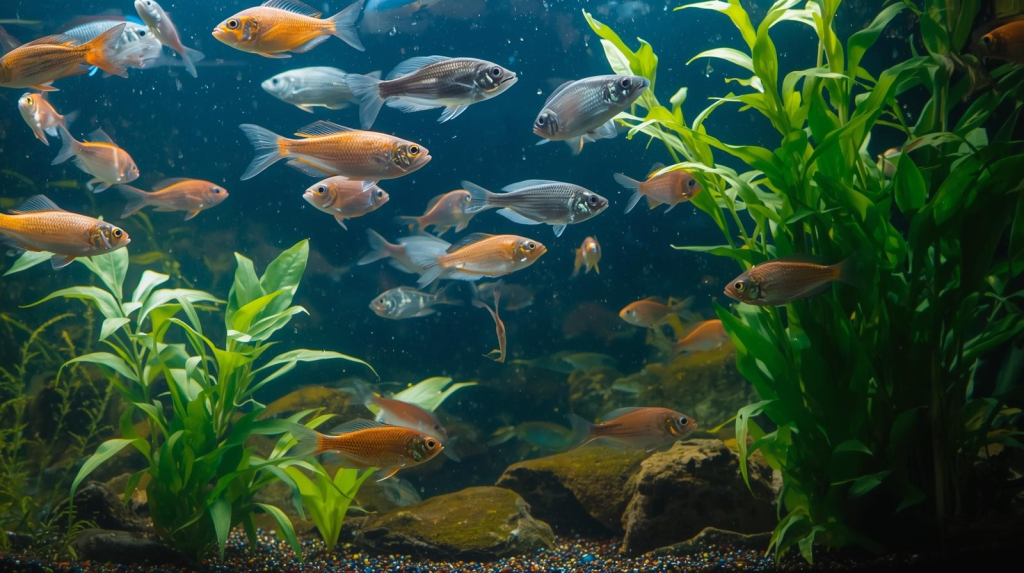

Aquarium fish aren’t just beautiful to watch—they’re intelligent, curious creatures that need mental stimulation to stay healthy. Without it, fish can become lethargic, stressed, and even develop behavioral issues. Keeping your aquarium fish active isn’t difficult—it just requires a bit of creativity and consistency. Let’s explore how you can turn your tank into an exciting underwater playground.
Why Fish Need Mental Stimulation
Just like cats chase toys or birds solve puzzles, fish also need challenges that keep their minds sharp. When fish are mentally active, they display brighter colors, better appetite, and stronger immunity. On the other hand, a dull environment can lead to boredom and stress.
Mental stimulation in fish helps mimic their natural habitat, where they’d constantly explore, forage, and interact with their surroundings. So, even in a home aquarium, it’s crucial to recreate that sense of adventure and curiosity.
Signs Your Fish Might Be Bored
Before diving into enrichment ideas, it’s important to recognize when your fish need more stimulation. A few key signs include:
- Repetitive swimming patterns or pacing the glass
- Hiding constantly or becoming unusually inactive
- Loss of appetite or slow responses during feeding
- Faded colors or clamped fins
- Aggression toward tank mates
When you spot these behaviors, it’s a signal your fish are craving more mental engagement.
Create a Dynamic Environment
Your aquarium setup is the foundation for keeping your fish active. Think of it as designing a living space that encourages curiosity.
1. Rearrange the Tank Regularly
Fish notice every detail in their surroundings. By rearranging decorations, rocks, or plants every few weeks, you create a sense of novelty that stimulates exploration. However, avoid drastic changes that could cause stress—small adjustments work best.
2. Add Natural Hiding Spots
Caves, driftwood, and live plants offer safe places to explore and hide. These mimic natural environments, giving your fish areas to claim and investigate. Territorial species especially benefit from having defined zones.
3. Use Floating and Movable Objects
Floating decor or toys that move slightly with the current can intrigue fish. Ping-pong balls, floating rings, or leaf clusters add motion and encourage interaction, especially for surface feeders.
Interactive Feeding Techniques
Feeding time is a golden opportunity for mental engagement. Instead of dropping food in one spot, turn it into a foraging challenge.
1. Scatter Feeding
Spread pellets or flakes across different areas of the tank so your fish have to search. This mimics their wild feeding behavior and adds an element of fun.
2. Use Feeding Cones or Rings
These devices slow down feeding and make fish work a little harder for their food. It prevents overfeeding and stimulates natural hunting instincts.
3. Offer Live or Frozen Foods
Treats like brine shrimp, daphnia, or bloodworms spark excitement and encourage active chasing. Just ensure these foods are safe and suitable for your species.
Introduce Tank Mates Wisely
Social interaction can be another form of mental activity—if done correctly.
1. Match Compatible Species
Adding peaceful tank mates gives your fish opportunities to interact, follow, and display social behaviors. For example, tetras thrive in groups, while corydoras love to forage together.
2. Avoid Overcrowding
Too many fish lead to stress rather than stimulation. A balanced community tank promotes healthy interaction without competition for space.
3. Observe Behavior After Introduction
When introducing new fish, monitor their interactions closely. If any aggression arises, separate them to maintain harmony. A calm environment encourages more natural and enriching activity.
Add Variety Through Lighting and Seasons
In nature, fish experience changing light patterns, temperatures, and seasons. Recreating some of these changes keeps their internal rhythms engaged.
1. Vary Light Intensity
Use programmable lights that simulate sunrise and sunset cycles. Soft transitions prevent startle responses and encourage more natural swimming patterns.
2. Adjust Tank Temperature Occasionally
Within safe limits, small temperature shifts can mimic seasonal changes. This encourages breeding behaviors and exploration. Always research your fish species’ tolerance before making adjustments.
3. Use Day-Night Routines
Keeping consistent light and dark periods helps regulate sleep and activity cycles. Balanced lighting also enhances coloration and overall mood.
Enrichment Through Technology and Training
Believe it or not, some fish can be trained. Using simple conditioning techniques can provide incredible mental stimulation.
1. Target Training
You can teach certain species, like bettas or goldfish, to follow a stick or finger target. Reward them with food when they respond correctly. It’s a fun and educational interaction for both fish and owner.
2. Interactive Tools
There are even fish toys and mirror tools designed to spark engagement. Mirrors should only be used briefly—especially for territorial species—to prevent stress while still providing a short challenge.
3. Video and Bubble Play
Some fish respond to movement outside their tanks. Placing a slow-moving video or letting bubbles rise from an air stone can create subtle motion they find fascinating.
Maintain Water Quality and Health
All the enrichment in the world won’t help if your fish aren’t healthy. Poor water conditions dull their senses and make them lethargic.
1. Keep the Tank Clean
Perform regular water changes, check filters, and test pH and ammonia levels. A clean tank supports active swimming and exploration.
2. Provide Proper Nutrition
Balanced diets with variety improve energy and coloration. Rotate between flakes, pellets, and natural foods for full nutritional enrichment.
3. Watch for Stress Triggers
Loud noises, sudden vibrations, or constant tapping on the glass can make fish anxious. Keep their environment calm but stimulating—much like a serene underwater garden.
Conclusion
Keeping aquarium fish mentally active is more than entertainment—it’s essential for their well-being. By enriching their environment, varying their feeding routine, and giving them interactive experiences, you help them live longer, happier lives. A tank full of curious, engaged fish isn’t just more fun to watch—it’s a sign of genuine care. With creativity and consistency, your aquarium can become a thriving underwater world of discovery.
FAQ
1. How can I tell if my fish are bored?
You may notice repetitive swimming, lack of appetite, or constant hiding. These are signs your fish need more stimulation.
2. Can all fish species benefit from mental enrichment?
Yes. While the type of enrichment may vary, all fish benefit from activities that mimic their natural environment.
3. How often should I rearrange the tank?
Every few weeks is ideal. Small changes keep the environment interesting without causing stress.
4. Are mirrors safe for fish enrichment?
Mirrors can be stimulating if used briefly—no longer than a few minutes per day—to avoid aggression or stress.
5. What are the easiest enrichment ideas for beginners?
Try scattering food, adding plants, and occasionally rearranging tank decor. These simple steps keep your fish mentally engaged.