
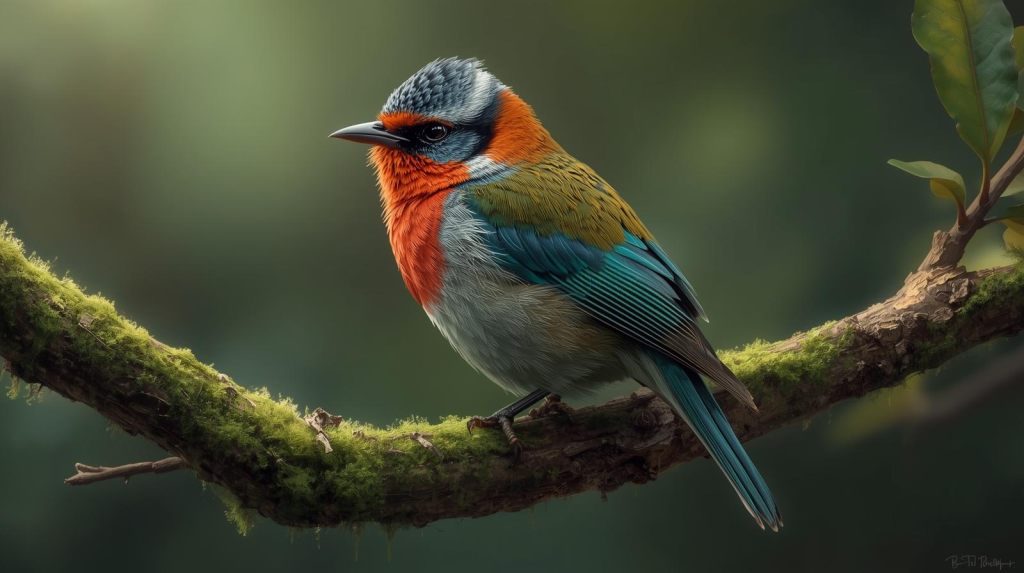

Bringing home a new bird is exciting—but for your feathered friend, it can be overwhelming. Whether you already have one parrot, cockatiel, or finch, learning how to introduce a new bird properly is essential for creating harmony. Birds are highly social yet territorial creatures, so a rushed introduction can lead to stress, fear, or even fights. The goal is to help both birds feel safe and curious, not threatened or territorial.
In this guide, we’ll explore how to introduce a new bird step-by-step, from the first day at home to long-term bonding. You’ll also discover how to manage cage placement, read body language, and prevent conflicts before they start.
Why Proper Bird Introductions Matter
Introducing a new bird isn’t just about putting two birds in the same cage—it’s about building trust and setting boundaries. Birds form deep emotional connections, but they can also become defensive if their territory feels invaded. When you take the time to do it right, you reduce anxiety, build confidence, and encourage friendship.
A peaceful introduction ensures:
- Reduced stress and fear-based behaviors
- Lower risk of aggression or injury
- Stronger flock dynamics and trust between birds
- Easier long-term cohabitation
Rushing the process can create lasting tension, so patience is your best tool. Remember: birds don’t bond overnight—they need time, observation, and reassurance.
Step 1: Quarantine the New Bird
Before your new feathered friend meets the resident bird, you must start with quarantine. It’s not just a precaution—it’s protection.
Keep Them in Separate Spaces
Place the new bird in a different room for at least 30 days. This allows you to:
- Monitor for illness or parasites
- Ensure both birds remain healthy before contact
- Reduce initial stress from unfamiliar sounds and scents
During quarantine, handle and interact with the new bird daily. This builds trust with you before they’re introduced to others. Your attention helps them settle and feel secure in their new environment.
Step 2: Prepare the Environment
Once quarantine ends, it’s time to plan the meeting space carefully. A neutral environment prevents territorial disputes and allows both birds to feel comfortable.
Set Up Separate Cages
Position both cages in the same room but keep them several feet apart. This arrangement allows them to see and hear each other safely. You’re creating curiosity without confrontation.
Watch for Body Language
Observe how each bird reacts:
- Calm preening and gentle chirps mean comfort.
- Fluffing feathers, lunging, or screeching signal stress.
If either bird seems uncomfortable, increase the distance and give them more time. Never rush to put them together just because they appear calm once or twice. Birds can mask anxiety until they feel cornered.
Step 3: Gradual Visual and Auditory Introduction
This phase helps your birds adjust to each other’s presence through sight and sound. Think of it as a friendship developing through conversation before a handshake.
Exchange Cages or Toys
After a few days of peaceful observation, try swapping perches or toys between cages. This helps them get used to each other’s scent and territory without physical contact. It’s a subtle way to blend familiarity with curiosity.
Encourage Gentle Communication
Play soothing music or speak softly to both birds while they’re near each other. Your calm energy sets the tone for the environment. If they chirp back and forth calmly, it’s a good sign they’re warming up to the idea of being flockmates.
Step 4: Supervised Out-of-Cage Interaction
When both birds seem comfortable seeing each other daily, you can start short, supervised play sessions outside their cages. Neutral territory is key—don’t use either bird’s usual play stand or perch at first.
Create Neutral Play Areas
Use a clean, open area with multiple perches or stands. Offer separate food bowls or treats to prevent resource guarding. Always supervise their interaction closely.
Reward Calm Behavior
Use positive reinforcement. Whenever they stay calm, chirp pleasantly, or ignore each other peacefully, offer a small treat. This builds positive associations with each other’s presence.
If one bird chases or nips, separate them gently and try again later. Avoid scolding—stress can spread quickly in birds, and patience pays off far more than punishment.
Step 5: Moving Toward Shared Space
After several successful play sessions, you can begin testing shared spaces more regularly. However, moving them into the same cage requires careful timing.
Assess Compatibility
Not all birds will become best friends, and that’s okay. Observe for:
- Mutual grooming or sitting close together (bonding)
- Constant chasing or feather plucking (conflict)
If they seem relaxed near each other, you can consider cohabitation—but only when both birds consistently display calm, friendly behavior for at least a few weeks.
Introduce Shared Cage Slowly
When the time feels right, clean the existing cage thoroughly or introduce a new one to ensure neutral territory. Add fresh toys and perches to distract and engage them. Watch closely during the first few days. Early signs of conflict (biting, screaming, blocking food) mean they still need more time apart.
Step 6: Maintaining Harmony After Introduction
Once the birds share space, your role shifts from facilitator to peacekeeper. Birds have moods and boundaries, and even bonded pairs may squabble occasionally.
Provide Space and Enrichment
Ensure the cage is large enough for both to fly or hop freely without bumping into each other. Multiple feeding areas prevent competition. Rotate toys regularly to keep them mentally stimulated and prevent boredom-driven fights.
Observe Daily Interactions
Keep an eye on subtle behavioral changes:
- Are they still preening together?
- Has one become withdrawn or aggressive?
Intervening early prevents small issues from turning into bigger conflicts. A consistent routine, balanced diet, and environmental enrichment keep them both happy and secure.
Reading Bird Body Language
Understanding body language helps you interpret what your birds are feeling long before problems arise. Here are common signs to watch for:
- Relaxed: Soft chirping, smooth feathers, calm preening
- Curious: Tilting head, slow approach, gentle vocalizations
- Stressed: Fluffed feathers, pacing, rapid breathing
- Aggressive: Lunging, hissing, biting, loud squawks
When you see signs of stress, separate them calmly and provide quiet time. Birds remember experiences, so keeping every interaction positive ensures steady progress.
Common Mistakes to Avoid
Many new bird owners make the mistake of moving too fast or skipping steps. Here’s what to steer clear of:
- Skipping quarantine: This risks spreading illness and stress.
- Forcing interaction: Birds need choice to build trust.
- Using small cages: Limited space increases aggression.
- Ignoring warning signs: Early stress cues must be addressed immediately.
Remember, successful introductions rely more on consistency than speed. What matters most is that both birds feel safe and respected.
Creating a Lasting Bond
When done right, introducing a new bird can lead to years of companionship and joy—for both your pets and you. Birds often mirror their environment. If you’re calm, patient, and positive, they’ll respond in kind.
With time, they may share food, perch side by side, and communicate in soft calls—a true sign of flock harmony. Watching them bond reminds us that friendship, whether human or avian, always begins with trust.
Conclusion
Introducing a new bird without stress or fights takes patience, planning, and empathy. You’re not just managing two pets—you’re shaping a peaceful household dynamic. By following gradual steps, observing body language, and rewarding calm behavior, you’ll guide both birds toward a harmonious bond. Whether they become inseparable companions or peaceful neighbors, your gentle guidance ensures a stress-free home filled with song and serenity.
FAQ
1. How long does it take to introduce a new bird?
It can take anywhere from a few weeks to several months, depending on the birds’ personalities and species. Patience is key for a safe bond.
2. Can different bird species live together?
Sometimes, yes—but only if their size, temperament, and space needs are compatible. Always supervise and introduce them gradually.
3. Should I let my birds share a cage right away?
No. Keep them in separate cages until they’ve shown consistent calm behavior and curiosity toward each other.
4. What if my birds start fighting?
Separate them immediately, calm the environment, and return to earlier introduction stages. Never allow repeated aggression.
5. How can I tell if my birds are bonded?
Bonded birds often preen each other, share food, or perch side by side. They communicate softly and show relaxed body language.