
Bringing home a new puppy is exciting, heartwarming, and a little overwhelming. Every wag, bark, and curious sniff is part of a learning journey. But the most crucial part of raising a happy, well-adjusted dog begins early — socialization. This puppy socialization guide will help you understand how to teach your pup to be confident, calm, and well-behaved in any situation.
Why Puppy Socialization Matters
Socialization is about more than just playtime. It’s your puppy’s first introduction to the big, unpredictable world — full of new people, animals, sounds, and experiences. Proper socialization shapes your dog’s behavior for life.
A well-socialized puppy learns to handle new situations with curiosity instead of fear. They grow into adult dogs who are less anxious, less reactive, and more trusting of people and other animals. Without proper socialization, dogs may develop fear-based behaviors like aggression, barking, or avoidance.
Think of socialization like emotional armor. Each positive experience adds a layer of confidence, preparing your puppy to handle the unknown with ease.
The Ideal Socialization Window
Timing matters. Experts call the period between 3 and 14 weeks of age the “socialization window.” During this phase, your puppy’s brain is like a sponge, soaking up experiences that shape their lifelong temperament.
If you wait too long, your puppy’s curiosity can turn into caution. That’s why early exposure to gentle, positive experiences is key. Even before vaccinations are complete, there are safe ways to introduce your puppy to the world — such as carrying them to observe passing people, cars, and other animals from a safe distance.
The goal isn’t to flood your puppy with stimuli but to introduce variety in small, reassuring doses.
How to Start Puppy Socialization at Home
Home is the first training ground for confidence. Before venturing outside, you can begin the puppy socialization process right in your living room.
Introducing New People
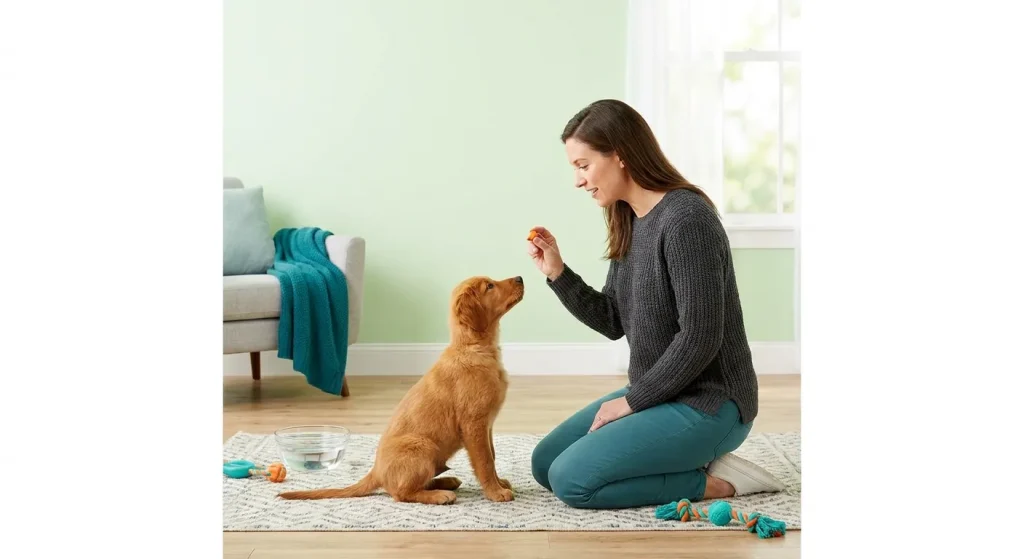
Invite friends or family members of different ages and appearances to meet your puppy. Encourage gentle interaction — let your pup approach on their own terms. Give treats and praise to reinforce calm, positive behavior.
Have guests wear hats, glasses, or carry umbrellas to help your puppy adjust to different human appearances. These small variations prevent fear responses later on.
Getting Used to Everyday Sounds
Household noises like the vacuum, blender, or doorbell can be startling at first. Turn these sounds into positive experiences by pairing them with treats or play. Gradually increase volume and exposure as your puppy becomes more comfortable.
Playing recorded sounds of thunderstorms, traffic, or children playing can also prepare your puppy for real-world encounters.
Consistency is your secret weapon. A few minutes of calm exposure daily can work wonders.
Exploring the Outdoors Safely
Once your vet gives the go-ahead, it’s time to step outside. The world beyond your doorstep is an endless playground of scents and sights — but it must be approached thoughtfully.
Meeting Other Dogs
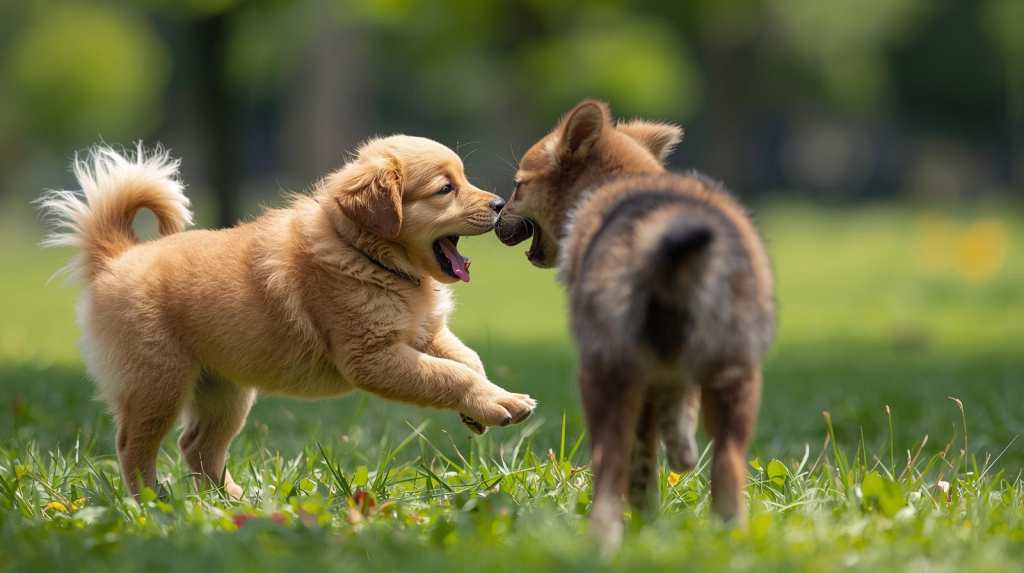
Other dogs are crucial teachers. Arrange controlled playdates with fully vaccinated, friendly dogs. Observe their interactions closely. Puppies learn canine etiquette — like how to greet politely and when to back off — through social play.
Avoid dog parks at first. They can be overwhelming and risky for young pups. Start small, in safe, familiar settings.
Experiencing New Environments
Let your puppy explore different textures underfoot — grass, gravel, sand, and pavement. Visit calm public spaces, carry them through pet-friendly stores, or sit together on a park bench to people-watch.
Exposure to new sights and sounds helps desensitize your puppy to daily life. The more they experience calmly now, the easier future adventures become.
Common Puppy Socialization Mistakes to Avoid
Even with good intentions, many owners make socialization missteps that can slow progress. Avoid these pitfalls:
- Going too fast. Overwhelming your puppy can cause fear instead of confidence. Introduce new experiences gradually.
- Skipping early socialization. Waiting until your dog is older can make learning harder. Start as early as safely possible.
- Using punishment. Never scold a fearful puppy. Fear should be met with reassurance, not correction.
- Forgetting consistency. Occasional socialization isn’t enough. Regular exposure builds lasting comfort.
Patience always pays off. Socialization is about slow, steady confidence-building — not forced bravery.
Building Confidence Through Positive Reinforcement
Puppies thrive on positive feedback. Reward your dog for calm curiosity, gentle play, or friendly behavior. Every treat, praise, or cuddle sends the message: “You’re doing great.”
If your puppy hesitates in a new situation, stay relaxed and supportive. Use a cheerful voice and let them explore at their own pace. Confidence grows from trust — and trust grows from patience.
Games that build focus and courage, like “find it” or gentle obstacle courses, also help. They teach your puppy that new challenges can be fun, not scary.
Continuing Socialization Beyond Puppyhood
Socialization doesn’t end after the first few months. Adult dogs benefit from ongoing exposure to new experiences. Regular walks, meeting new friends, or attending training classes help reinforce good behavior and prevent fear regression.
Many dogs enter adolescence (around 6 to 12 months) with a temporary confidence dip. Keep interactions positive and predictable during this time. Revisit earlier exercises if your dog shows hesitation.
Think of socialization as a lifelong practice — one that strengthens your bond and enriches your dog’s happiness.
Conclusion
Your puppy’s social world shapes who they become. With this puppy socialization guide, you have the roadmap to raising a confident, well-balanced dog ready to face the world with joy and curiosity.
Start early, go slow, stay patient, and celebrate progress — even the small wins. Every friendly greeting, every calm reaction, and every tail wag means you’re building the foundation for a lifetime of trust and companionship.
FAQ
1. When should I start puppy socialization?
Start as early as 3 weeks old with gentle, positive exposure at home. The key socialization window lasts until around 14 weeks of age.
2. Can I socialize my puppy before vaccinations?
Yes, safely! Carry them outdoors, let them watch people and dogs from a distance, and introduce household sounds and surfaces indoors.
3. What happens if I miss the socialization window?
You can still make progress later, but it will take more patience and consistency. Gradual exposure and positive reinforcement are essential.
4. How can I tell if my puppy is scared during socialization?
Look for signs like cowering, yawning, tucked tail, or avoiding eye contact. If these appear, take a step back and lower the intensity of the situation.
5. How long does socialization take?
It’s an ongoing process. Most puppies make major progress in their first few months, but regular reinforcement throughout life ensures lasting confidence.