
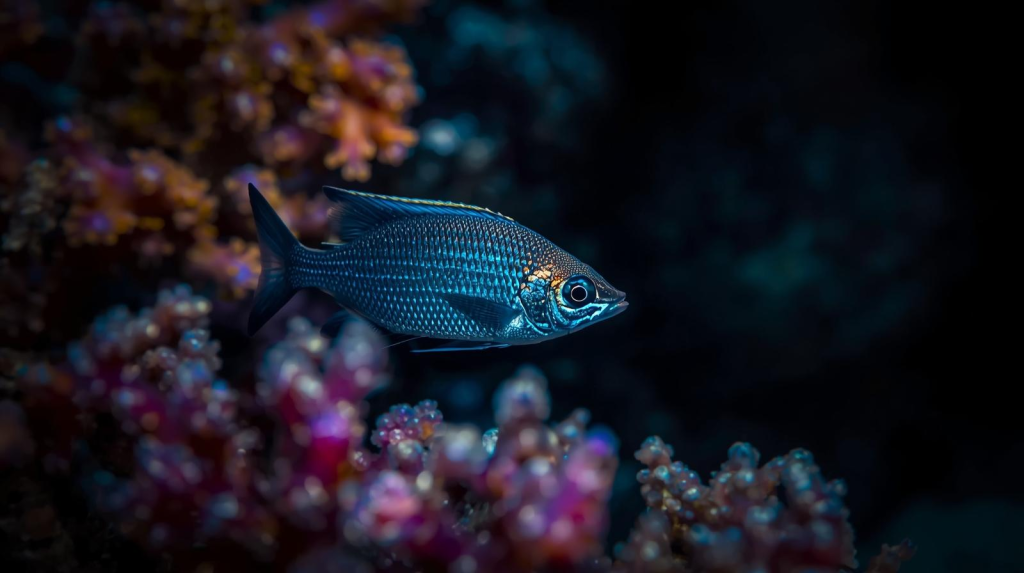

It’s a common sight that worries aquarium owners—you buy a group of schooling fish, expecting them to glide together in harmony, yet one or more stay alone. When your schooling fish stay alone, it’s more than just odd behavior; it’s a signal that something in their environment or health might be off.
Let’s dive into why this happens and how you can help your fish rediscover their natural schooling rhythm.
Understanding the Nature of Schooling Fish
Schooling fish thrive in groups because it’s how they survive in the wild. Staying together helps them feel secure, locate food, and avoid predators. Species like tetras, barbs, rasboras, and danios are instinctively drawn to move as one.
When a schooling fish isolates itself, it’s not a random choice—it’s a reaction to discomfort, stress, or imbalance in the tank. Like humans withdrawing when anxious, fish isolate to cope with stress or weakness.
Common Reasons Schooling Fish Stay Alone
There are several reasons why your schooling fish may break away from the group. Let’s explore the most common ones and what they mean.
Stress and Poor Water Conditions
Stress is one of the biggest culprits when schooling fish stay alone. Fish are highly sensitive to their surroundings. Even minor fluctuations in pH, temperature, or ammonia levels can throw them off balance.
If your tank’s water parameters are unstable, your fish may separate themselves to cope. Poor filtration, overcrowding, or excessive light can also make them uncomfortable.
Test your water regularly and look for signs of distress like rapid breathing, clamped fins, or dull coloration. These are clues that the tank environment needs correction.
Incorrect Group Size or Compatibility
Schooling fish rely on numbers. When there aren’t enough companions, they lose that sense of safety. For instance, tetras or rasboras should be kept in groups of at least six or more. A smaller group can cause anxiety, making them hide or stay alone.
Compatibility also plays a huge role. Aggressive tankmates like cichlids or bettas can intimidate smaller fish, forcing them into isolation. Always research species compatibility before mixing fish in the same tank.
Illness and Weakness in Fish
Sometimes, a fish separates because it’s unwell. Illness can make them sluggish and more vulnerable, so instinctively, they isolate themselves from the school.
Common issues like ich, fin rot, or internal parasites can cause this behavior. Check for visible symptoms—white spots, torn fins, or unusual swimming patterns. Quarantining the affected fish can prevent disease spread and give it time to recover in peace.
Inadequate Tank Setup and Space
Even the most peaceful fish can become withdrawn in an unsuitable environment. Small or cluttered tanks leave little room for movement, breaking the natural schooling pattern.
Over-decorated aquariums with too many hiding spots can also disrupt the group dynamic. While plants and caves are essential, balance is key—your fish need open swimming zones to school freely.
How to Encourage Schooling Behavior Again
The good news? You can usually fix schooling issues once you identify the cause. Reestablishing a comfortable, balanced environment helps fish regain their confidence and rejoin the group.
Improve Tank Conditions and Water Quality
Start with the basics. Test the water for ammonia, nitrites, nitrates, and pH regularly. Keep the temperature steady according to your fish species—most schooling fish prefer 74–80°F.
Perform partial water changes weekly to maintain cleanliness. Use a high-quality filter, but ensure the current isn’t too strong; excessive flow can make timid fish hide.
Adding live plants like java moss or anubias can also make the tank feel more natural and calming.
Add Compatible Tankmates
If your schooling fish stay alone because of loneliness or intimidation, adding compatible tankmates can help. For example, neon tetras or harlequin rasboras often thrive in groups of 8–10.
Avoid pairing peaceful schooling fish with territorial species. Always introduce new fish gradually and observe interactions closely for a few days.
A balanced community tank creates a sense of security and encourages synchronized movement again.
Adjust Lighting and Feeding Routines
Too much light or inconsistent feeding can cause anxiety. Schooling fish prefer moderate lighting that mimics dawn or dusk rather than constant brightness.
Feed them small amounts two to three times daily, using quality flakes or pellets. Occasional live or frozen treats—like brine shrimp or daphnia—keep them active and motivated to school together during feeding times.
Consistency helps them establish a routine, reducing isolation and stress.
Long-Term Tips for Happy, Social Fish
Long-term harmony in your aquarium depends on balance and observation. Here’s how you can keep your fish active, healthy, and social for years:
- Maintain stable water parameters with regular testing.
- Avoid sudden changes in tank decor or lighting.
- Keep your fish in appropriately sized groups for their species.
- Watch for early signs of illness or bullying.
- Provide a mix of open swimming areas and safe hiding spots.
Think of your aquarium as a miniature ecosystem—every detail matters. When all factors align, your fish will naturally form that mesmerizing, synchronized school once again.
Conclusion
Seeing your schooling fish stay alone can be disheartening, but it’s not a mystery without solutions. Whether it’s stress, illness, or environmental imbalance, most causes are reversible with care and attention.
By understanding their instincts and fine-tuning their surroundings, you can restore harmony to your tank. Soon enough, your fish will glide side by side again, proving that peace in an aquarium begins with balance and empathy.
FAQ
1. Why do my schooling fish stay at the bottom of the tank?
They might be stressed due to poor water quality, sudden temperature changes, or illness. Test your water and observe for other distress signs.
2. How many fish should I keep together for schooling behavior?
Most schooling species need at least six of their kind to feel secure, though more can enhance their comfort and activity.
3. Can schooling fish live alone permanently?
They can survive but not thrive. Isolation increases stress and shortens lifespan, so it’s best to keep them in proper groups.
4. How long does it take for fish to start schooling again?
Once conditions improve, they may begin schooling within a few days to a week. Patience and stable conditions are key.
5. What’s the best tank setup for schooling fish?
Choose a spacious tank with gentle flow, stable temperature, balanced lighting, and a mix of open areas and plants for natural comfort.