Leaving your dog alone can tug at your heartstrings, especially when you know they feel lonely or anxious. Dogs are social by nature, and when left by themselves, they often experience boredom, stress, or even depression. But here’s the good news—you can help a lonely dog feel happy when left alone with a mix of preparation, stimulation, and care.
This guide will walk you through practical strategies to comfort your furry friend, reduce anxiety, and build confidence, so your dog stays calm and content even when you’re not around.
Understanding Why Dogs Feel Lonely
Before helping your dog feel better, it’s important to understand why loneliness happens. Dogs are pack animals. They rely on companionship and routine to feel secure. When that social structure disappears, it can trigger feelings similar to separation anxiety in humans.
Some dogs handle solitude gracefully, while others show signs of distress—like whining, barking, pacing, or destructive chewing. These behaviors aren’t about being “bad”; they’re cries for comfort and connection.
Transitioning your dog to enjoy alone time takes empathy and consistency. With the right steps, you can transform loneliness into peaceful independence.
Signs Your Dog Feels Lonely or Stressed
Recognizing loneliness early can prevent long-term anxiety. Here are common signs your dog may be struggling:
- Excessive barking or howling when you leave
- Destructive chewing on furniture or shoes
- Loss of appetite or over-eating
- Restlessness or pacing near doors and windows
- Lethargy or excessive sleeping
- Potty accidents despite being house-trained
If these behaviors sound familiar, don’t worry. You’re not alone—many pet owners face the same challenges. The key is to approach the issue calmly and with patience.
Create a Safe and Comfortable Space
When helping a lonely dog feel secure, start by giving them a space that feels safe and familiar. This is your dog’s personal “den”—a cozy area that offers comfort and reassurance.
You can:
- Set up a soft bed in a quiet corner.
- Add familiar blankets and toys with your scent.
- Leave a piece of clothing you recently wore to comfort them.
- Keep lighting soft and temperature comfortable.
Think of it like setting up a small, cozy cabin—your dog’s happy retreat while you’re away. This safe space signals stability and helps your dog associate alone time with peace instead of fear.
Use Calming Scents and Sounds
Sound and scent are powerful emotional anchors for dogs. Soft background noise—like classical music, nature sounds, or even an audiobook—can soothe anxiety.
Try leaving the radio or TV on at low volume to mimic normal household activity. This helps your dog feel less isolated.
You can also use calming scents such as lavender or chamomile. Dog-safe pheromone diffusers are another effective option that mimics the comforting scent of a mother dog. Together, these sensory tools reduce tension and promote relaxation.
Keep Your Dog Mentally Stimulated
A bored mind often leads to anxiety. The best way to help a lonely dog feel happy when left alone is to keep them engaged.
Before you leave:
- Offer puzzle toys or treat-dispensing balls.
- Hide small treats around the house for a fun scavenger hunt.
- Rotate toys daily to keep things fresh.
Mental enrichment is like a gym for your dog’s brain—it keeps them busy, sharp, and emotionally balanced. You can even freeze treats inside a Kong toy for a long-lasting challenge that distracts them for hours.
Build a Calm Pre-Departure Routine
Dogs are sensitive to patterns. If you rush out the door every morning with tension, your dog picks up on it. To ease their anxiety, keep your comings and goings calm and predictable.
Try this routine:
- Give your dog exercise before leaving to release pent-up energy.
- Keep departures low-key—no long goodbyes or dramatic exits.
- Use a cue phrase like “Be right back” so your dog associates leaving with safety.
- Offer a special treat right before you go.
Over time, your dog learns that your departure is temporary and that good things happen when you leave.
Train Gradual Independence
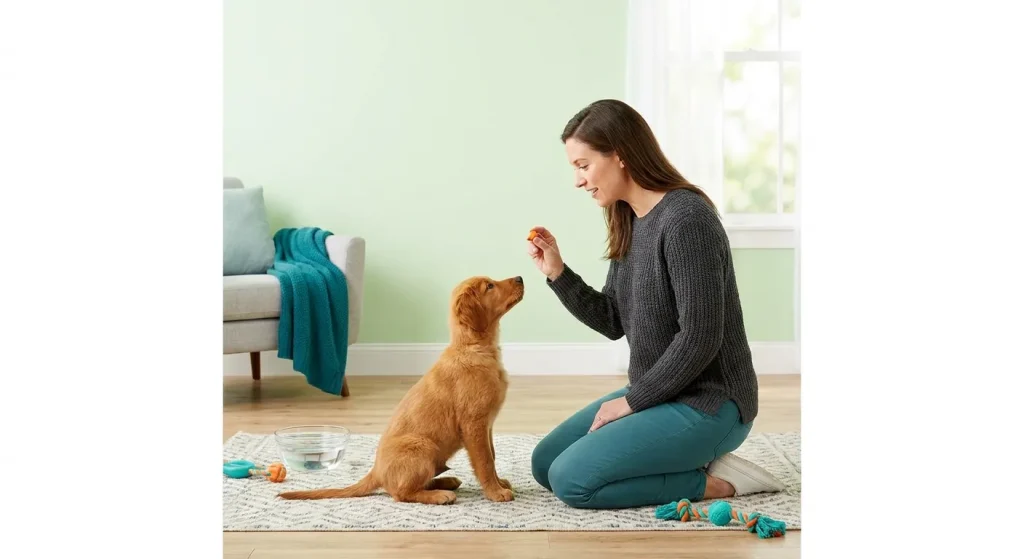
Helping a lonely dog feel comfortable alone takes practice. Start with short absences and gradually increase the time.
For example:
- Leave for a few minutes, then return calmly.
- Increase to 10–15 minutes, then an hour.
- Always reward calm behavior when you return.
This slow exposure builds confidence and teaches your dog that solitude is safe. Avoid rushing the process; consistency and patience are key.
Consider Companionship or Professional Help
Some dogs thrive with companionship, especially those that struggle deeply with isolation. If your lifestyle allows, consider adopting a second dog. Many lonely dogs blossom when they have a friend to share their days with.
If that’s not an option, professional dog walkers or pet sitters can provide regular company and exercise during long absences. Doggy daycare is another excellent solution for social breeds that crave interaction.
If anxiety remains severe despite your efforts, consult a certified dog behaviorist or veterinarian. They can identify deeper triggers and recommend personalized training or calming supplements.
Return Home Calmly and Positively
When you return, keep the energy steady and positive. Avoid overwhelming your dog with excitement right away. Instead, greet them calmly, then reward them for staying relaxed.
This reinforces the idea that your comings and goings are normal parts of life. Soon, your dog will begin to anticipate your return with calm confidence rather than worry.
Remember—helping a lonely dog isn’t just about managing time apart. It’s about strengthening trust, communication, and emotional balance.
Conclusion
You can absolutely help a lonely dog feel happy when left alone. It takes empathy, structure, and a bit of creativity, but the reward is priceless—a confident, calm dog who trusts that you’ll always come back.
By building a consistent routine, creating a cozy environment, and offering mental stimulation, you give your dog the emotional tools to thrive even in solitude. In time, your furry friend will greet your departures with quiet contentment and your returns with joyful peace.
FAQ
1. How long can I leave my dog alone during the day?
Most dogs can handle being alone for 4–6 hours, depending on their age and temperament. Puppies and senior dogs may need shorter periods with bathroom breaks and mental stimulation.
2. What should I avoid when leaving my dog alone?
Avoid dramatic goodbyes or punishments when you return. These increase anxiety. Keep departures and arrivals calm and consistent.
3. Can music really help calm a lonely dog?
Yes. Gentle classical or soft acoustic music has been shown to reduce canine stress and create a peaceful environment.
4. How do I stop my dog from destructive chewing when left alone?
Provide safe chew toys and puzzle feeders before you leave. These redirect your dog’s energy and satisfy their natural chewing instinct.
5. Should I crate my dog when I’m away?
If your dog is crate-trained and comfortable, a crate can feel like a secure den. Just ensure it’s large enough, well-ventilated, and associated with positive experiences.