
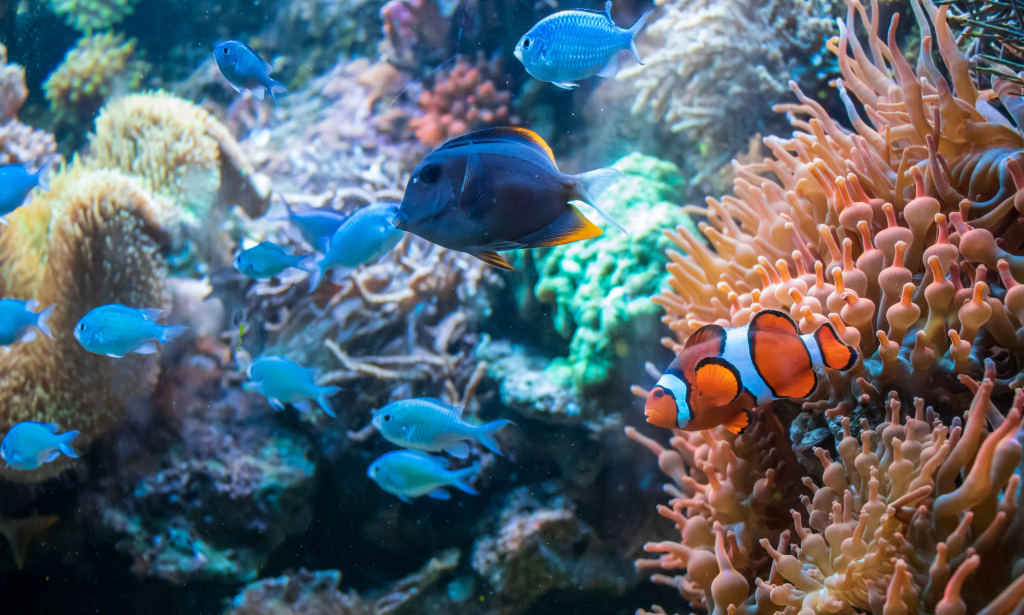

Building a community aquarium is like composing a peaceful symphony underwater. Every fish plays a role, and harmony depends on the right mix of personalities. Choosing peaceful fish for aquariums ensures calm, beauty, and balance without chaos or aggression.
If you’ve ever dreamed of a thriving, tranquil tank where every fin glides in grace, this guide will help you make that vision real.
Understanding Peaceful Fish Behavior
Before you start buying fish, it’s vital to understand what makes certain species peaceful. These fish are non-aggressive by nature. They prefer companionship over competition and adapt well to shared environments.
In community tanks, peaceful fish display calm swimming patterns, avoid chasing others, and rarely fight for food or territory. Their peaceful nature doesn’t mean they’re timid—it means they thrive in cooperation.
Peaceful fish are often schooling species. They feel more secure when surrounded by others of their kind. This social instinct keeps stress levels low and encourages natural behavior.
Top Peaceful Fish for Community Aquariums
Let’s explore some of the most popular and reliable peaceful fish species that coexist beautifully with others.
1. Neon Tetras: Tiny Beacons of Calm
Neon Tetras are among the best-known peaceful fish for aquariums. Their shimmering blue and red stripes make them a vibrant highlight in any tank. They love swimming in groups of six or more, creating a mesmerizing display.
They’re peaceful, hardy, and adaptable, making them perfect for beginners. Keep the water clean, slightly acidic, and maintain stable temperatures for their best colors to shine.
2. Guppies: The Cheerful Swimmers
Guppies are playful, colorful, and gentle. Their active personalities bring life to aquariums, yet they rarely cause trouble. They breed easily, so a balanced ratio of males to females helps prevent overcrowding.
They coexist beautifully with other small peaceful species like mollies and platies, creating a dynamic but serene environment.
3. Corydoras Catfish: The Bottom Cleaners
Corydoras, or “Cory cats,” are small bottom-dwellers known for their social and gentle demeanor. They thrive in groups and help clean up leftover food.
Their whisker-like barbels explore the substrate without disturbing plants or décor. They’re perfect for community tanks because they mind their own business while keeping things tidy.
4. Harlequin Rasboras: Grace in Motion
With their shimmering orange bodies and black triangular patches, Harlequin Rasboras add elegance to aquariums. They’re schooling fish that love open swimming space and gentle water flow.
Their calm presence and synchronized movements make them ideal for social tanks, especially alongside tetras or gouramis.
5. Mollies: Adaptable and Peaceful
Mollies are easy-going fish that can adapt to various water conditions, even slightly brackish ones. Their mild temperament and wide range of colors make them popular community members.
They appreciate room to swim and a bit of plant cover for comfort. Mollies blend perfectly into peaceful aquariums with platies, guppies, and swordtails.
6. Platies: The Friendly Color Splash
Platies are cheerful and resilient. They thrive in schools and bring a spectrum of colors—from gold to blue and red. They rarely fight and enjoy mild water conditions similar to guppies.
Because they’re livebearers, you might see baby platies in your tank. Keeping some plants or hiding spots helps fry survive and thrive.
7. Cherry Barbs: Calm Yet Lively
Unlike their aggressive cousins, Cherry Barbs are peaceful and playful. Males display rich red hues during breeding, making them a visual treat.
They prefer swimming in small groups and appreciate planted tanks that mimic their natural environment. Their peaceful nature makes them compatible with tetras and rasboras.
8. Dwarf Gouramis: Gentle Gliders
Dwarf Gouramis are calm, slow-moving fish with vivid colors and elegant fins. Males can show mild territorial behavior, but they’re generally peaceful when paired properly.
They enjoy calm waters and floating plants that provide shade. When combined with schooling fish, they add grace without tension.
9. Zebra Danios: Active and Non-Aggressive
Zebra Danios are energetic swimmers that get along with nearly everyone. Their striped bodies add a striking pattern to the tank.
Though fast, they’re non-aggressive and thrive in groups. They adapt well to various water conditions, making them ideal companions for tetras and corydoras.
Creating a Peaceful Aquarium Environment
Choosing the right fish is only half the story. The environment you build determines how well they coexist.
Provide Adequate Space
Overcrowding leads to stress, even among peaceful fish. A general rule is one inch of fish per gallon, but consider species activity levels and territory needs.
Balance the Tank Levels
Mixing surface, mid-level, and bottom dwellers helps distribute space. For example, guppies and mollies stay near the top, tetras swim mid-level, and corydoras clean the bottom.
Add Hiding Spots and Plants
Plants, caves, and decorations give fish security. They reduce stress by providing private spaces and visual barriers, preventing dominance disputes.
Maintain Stable Water Conditions
Sudden changes in temperature or pH can cause aggression or illness. Regular testing and consistent maintenance keep everyone calm and healthy.
Feeding Peaceful Community Fish
Feeding is often when tension arises. To prevent conflict, spread food across the tank and choose sinking and floating varieties so all fish get their share.
A balanced diet of flakes, pellets, and occasional live or frozen treats ensures health and vibrancy. Avoid overfeeding—it leads to pollution and stress.
Compatibility and Behavior Observation
Even peaceful fish have personalities. Watch your aquarium regularly to identify early signs of tension.
If you notice nipping or chasing, check for overcrowding, uneven male-to-female ratios, or mismatched species. Sometimes, adding more of the same species helps diffuse aggression because it balances social behavior.
Remember, harmony takes observation and patience. Every aquarium has its rhythm—you just need to fine-tune it.
Tips for a Harmonious Community Tank
To maintain long-term peace, consistency is key.
- Introduce new fish gradually and quarantine them first.
- Keep similar-sized fish together to prevent bullying.
- Change 20–25% of the water weekly to reduce stress.
- Avoid mixing fin-nippers with long-finned species.
- Provide enough light and shade balance for comfort.
These small efforts create a serene, thriving aquatic world where every species feels at home.
Conclusion
Building a community aquarium with peaceful fish is more than decoration—it’s about creating balance and life in motion. From the playful guppy to the elegant dwarf gourami, these species transform your tank into a calm underwater world.
When you understand their behavior, meet their needs, and respect their natural instincts, you’ll enjoy an environment that reflects true tranquility. Every ripple becomes a reminder that harmony, even underwater, is built through care and understanding.
FAQ
1. How many peaceful fish can I keep in a 20-gallon tank?
You can keep about 10–12 small peaceful fish, such as tetras or guppies, as long as the tank is well-filtered and maintained.
2. Can I mix peaceful fish with semi-aggressive species?
It’s possible but risky. Semi-aggressive fish may bully smaller ones. Always research compatibility before mixing species.
3. Do peaceful fish still need hiding places?
Yes. Even calm fish need plants or caves to retreat and rest. Hiding spots reduce stress and help fish feel secure.
4. What causes peaceful fish to become aggressive?
Overcrowding, poor water quality, or lack of hiding places can trigger stress-related aggression in normally calm fish.
5. How often should I feed community fish?
Feed them once or twice daily in small portions they can consume within two minutes. Overfeeding can cause health problems and water issues.