
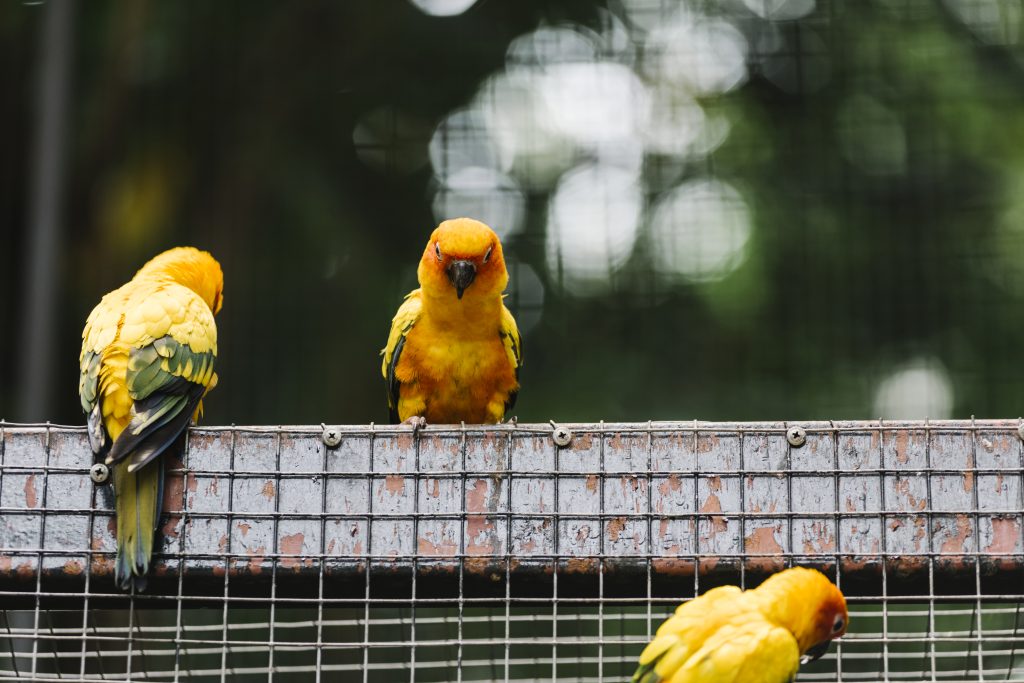

Choosing the right cage size for birds is more than just picking a pretty enclosure—it’s about ensuring comfort, safety, and harmony for your feathered friends. When you’re housing multiple birds, the space becomes their world. Every perch, toy, and inch matters.
Let’s explore how to choose the ideal cage for multiple birds, balancing comfort, freedom, and functionality while keeping your pets healthy and stress-free.
Why Cage Size Matters for Multiple Birds
When several birds share the same space, size becomes the deciding factor between peace and chaos. A cage that’s too small can lead to tension, feather plucking, or even fights. Birds are naturally territorial, and crowding can trigger aggression or anxiety.
Larger cages, on the other hand, give your birds room to stretch, fly short distances, and claim personal space. Think of it like roommates sharing an apartment—everyone needs their own corner. With the right cage size, you reduce stress, promote physical activity, and encourage natural behaviors like climbing and socializing.
Understanding Bird Size and Species Compatibility
Before buying a cage, consider who’s going to live in it. Mixing different bird species isn’t always a good idea. Some birds have vastly different temperaments, dietary needs, and energy levels.
For instance:
- Finches thrive in wide, horizontal cages where they can dart around.
- Parakeets (budgies) need both horizontal and vertical space for climbing and flying.
- Cockatiels require more room for wing-flapping and exercise.
- Lovebirds or conures need sturdy bars and extra space for toys and movement.
Never house small, timid birds with larger, dominant species. Even a curious peck from a bigger bird can harm a smaller one. Always match cage mates with similar sizes, activity levels, and social temperaments.
The Rule of Thumb for Cage Dimensions
When choosing the right cage size for birds, follow this general rule: each bird should have enough space to fully extend its wings in all directions without touching another bird or the cage bars.
For two or more birds, increase the length and width—height is less important than horizontal space. Birds rarely hover up and down; they move side to side.
Here’s a quick reference:
- Small birds (finches, canaries): At least 24” wide x 18” deep x 24” high for two birds.
- Medium birds (cockatiels, parakeets): Minimum 30” wide x 20” deep x 30” high for two.
- Large parrots (African greys, Amazons): Minimum 48” wide x 36” deep x 48” high per pair.
The bigger, the better. If you can afford and fit a larger cage, your birds will always benefit from more space.
Bar Spacing and Material: Safety Comes First
Even the right cage size can become dangerous if the bars are too wide or the materials are unsafe. Birds often climb and nibble on bars, so you need to ensure they can’t squeeze through or injure themselves.
- Bar spacing:
- Finches and canaries: ½ inch or less
- Parakeets: ½ to ⅝ inch
- Cockatiels and conures: ⅝ to ¾ inch
- Larger parrots: 1 inch or slightly more
Avoid cages made from toxic metals like zinc or lead. Stainless steel or powder-coated metal is best—it’s durable, easy to clean, and safe for birds to chew.
Layout, Perches, and Flight Path
A large cage is only valuable if it’s properly set up. Birds need flight paths that allow them to move naturally. Avoid overcrowding the space with toys or perches that block movement.
Here’s how to structure the layout:
- Place perches at different heights to encourage climbing and wing stretching.
- Leave open space in the middle for flying.
- Add food and water dishes near the cage sides to avoid droppings.
- Include toys and foraging stations, but rotate them weekly to maintain curiosity.
A good setup simulates a mini ecosystem—safe, engaging, and physically stimulating.
Indoor vs. Outdoor Cages for Multiple Birds
If your birds live indoors, the cage should fit your living space while allowing enough room for exercise. However, if you’re using an outdoor aviary, you’ll need to consider weather protection, predator safety, and durability.
Indoor cages:
- Place them away from drafts and direct sunlight.
- Keep them near social areas, like the living room, but not too noisy.
- Ensure the cage is on a stable surface and easy to clean.
Outdoor cages or aviaries:
- Use rust-resistant materials.
- Provide shaded areas and enclosed shelters for rainy days.
- Add plants or perches that mimic natural environments.
Outdoor spaces are ideal for multiple birds, giving them sunlight, fresh air, and freedom, but they require regular maintenance and safety checks.
The Importance of Personal Space and Enrichment
Even the most social birds crave personal space. In multi-bird cages, personality clashes happen—especially during breeding seasons. Provide separate feeding areas, multiple perches, and distinct play zones.
Enrichment is equally important. Without it, birds become bored, which leads to screaming, plucking, or pacing. Offer a mix of:
- Chewable wooden toys
- Ropes and ladders
- Foraging puzzles
- Swinging perches
Rotate enrichment items weekly to keep their environment stimulating. A dynamic space reduces stress and encourages healthy behavior.
Signs the Cage Is Too Small
Wondering if your cage is undersized? Watch your birds closely. They’ll tell you through their behavior.
Signs include:
- Frequent squabbles or chasing
- Feather plucking or loss
- Reluctance to move or flap wings
- Aggression during feeding times
- Constant pacing or vocal distress
If you notice these symptoms, it’s time to upgrade. Sometimes even a few extra inches of space make a world of difference.
Maintenance and Cleanliness: Keeping the Flock Healthy
A larger cage means more surface area to clean—but it also means a healthier flock. Dirty cages can lead to respiratory infections and stress.
Follow these hygiene habits:
- Change cage liners daily.
- Clean perches and toys weekly.
- Disinfect bars and trays every month using bird-safe solutions.
- Keep food and water fresh to prevent bacterial growth.
Cleanliness not only protects their health but also keeps your home smelling pleasant.
Conclusion
Choosing the right cage size for birds, especially when housing multiple companions, is an act of care and responsibility. The right space gives your birds freedom, harmony, and happiness. Remember: when in doubt, go bigger. Space is the greatest gift you can give your flock—one that lets them stretch their wings, play, and thrive together.
FAQ
1. How do I calculate the best cage size for multiple birds?
Multiply the recommended cage size for one bird by the number of birds and ensure enough horizontal flying space.
2. Can I mix different bird species in one cage?
Only if their sizes, temperaments, and dietary needs are compatible. Never house aggressive or larger birds with smaller species.
3. What’s more important—cage width or height?
Width. Birds fly side to side, so horizontal space matters far more than vertical height.
4. How often should I clean a bird cage?
Spot clean daily and do a thorough cleaning every week. Monthly disinfection helps prevent bacteria and mold growth.
5. Should I cover the cage at night?
Yes, covering the cage can help birds feel secure and sleep without disturbances, especially in multi-bird environments.