
If you’ve ever seen your dog trembling, panting, or hiding during a thunderstorm, you know how distressing it can be—for both of you. The loud booms, flashes of lightning, and unpredictable nature of storms or fireworks can make even the bravest pups anxious. Learning how to calm your dog during thunderstorms is essential to protect their emotional well-being and strengthen your bond.
Let’s explore how you can create a sense of safety, comfort, and calm for your furry friend when the sky rumbles or fireworks light up the night.
Understanding Why Dogs Fear Thunderstorms and Fireworks
Before you can calm your dog during thunderstorms, it’s important to understand why they react so strongly. Dogs have sharper senses than humans. What’s merely loud to you can be terrifyingly intense to them.
The main triggers include:
- Sound sensitivity: Dogs hear frequencies we can’t. Thunder or fireworks feel much louder and closer.
- Vibrations and static: Pressure changes and low-frequency rumbles vibrate through their paws and fur.
- Flashing lights: Sudden, unpredictable flashes of lightning or fireworks trigger alarm responses.
- Lack of control: Dogs can’t escape or understand the cause, which creates confusion and fear.
This fear isn’t misbehavior—it’s instinctive. Your role is to help your dog feel safe, not scold them for their reaction.
Creating a Safe Space for Your Dog
Every dog needs a “comfort zone” when storms roll in. This is their personal den where they can retreat and feel protected.
To calm your dog during thunderstorms effectively:
- Choose a quiet area: Pick an interior room away from windows, like a closet or bathroom.
- Add familiar items: Place their bed, blanket, or favorite toy there to create a reassuring scent.
- Use soft sounds: Play gentle music, white noise, or a calming playlist to mask the thunder.
- Dim the lights: Lower lighting helps reduce the contrast of lightning flashes.
- Stay nearby: Your presence can be deeply comforting, especially if they can see or touch you.
Over time, your dog will associate this space with comfort and safety instead of fear.
Using Calming Techniques and Tools
When a storm or fireworks show begins, take action early. The earlier you respond, the easier it is to prevent panic from escalating.
Here are proven methods to calm your dog during thunderstorms or fireworks:
1. Try Gentle Pressure Wraps
Products like ThunderShirts work by applying constant, gentle pressure to your dog’s torso—similar to swaddling a baby. This pressure helps reduce anxiety and provides a sense of security.
2. Use Calming Sounds
Background noise helps buffer sudden loud sounds. Soft classical music or dog-specific relaxation tracks can be surprisingly effective.
3. Diffuse Dog-Safe Aromatherapy
Lavender or chamomile essential oils (formulated for dogs) can help soothe nerves. Use them in a diffuser in the same room—not directly on your pet.
4. Try Natural Calming Aids
Ask your vet about options like CBD oil, melatonin, or tryptophan supplements, which may help reduce anxiety. Always ensure they’re pet-safe and dosed correctly.
5. Stay Calm Yourself
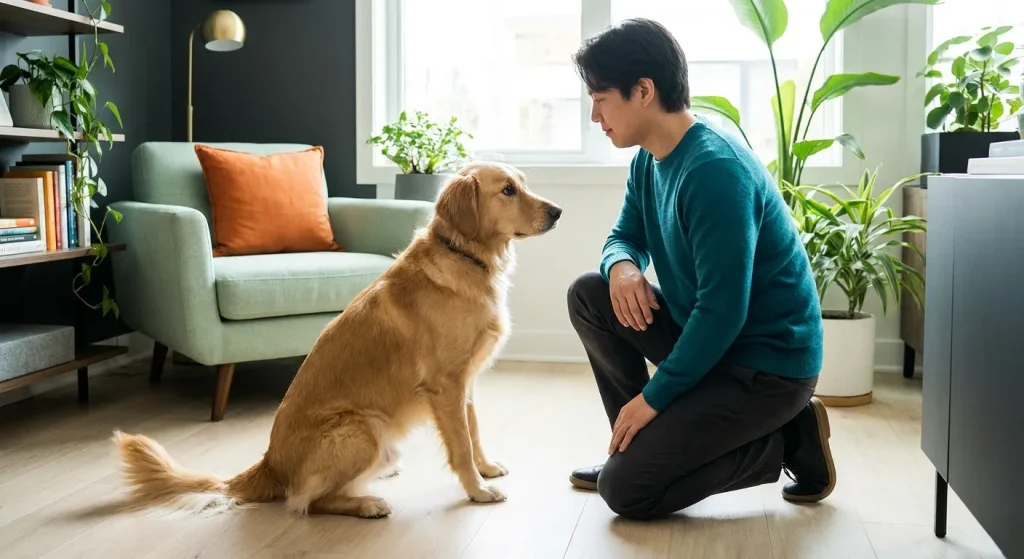
Dogs mirror your emotions. If you tense up or speak in a worried tone, they’ll pick up on it. Speak softly, move slowly, and show confidence.
When your dog sees you relaxed and unbothered by the storm, it reassures them that everything is okay.
Training for Long-Term Calmness
The best way to calm your dog during thunderstorms isn’t just reacting in the moment—it’s training for resilience over time.
Desensitization Training
Gradually expose your dog to recorded sounds of thunder or fireworks at low volume while rewarding calm behavior with treats or praise. Slowly increase the volume over days or weeks as they adjust.
Counter-Conditioning
Pair the sounds with positive experiences—like a special toy or treat. Your dog learns that thunder equals something good, not scary.
Routine Confidence Building
Outside of storms, practice commands and reward-based training to build trust and confidence. A confident dog is less likely to panic when unexpected noises occur.
These training methods take patience but lead to lasting calm and confidence.
Avoiding Common Mistakes During Storms
Even with good intentions, some owners unintentionally make things worse. Here’s what not to do:
- Don’t punish fear. Fear isn’t bad behavior—it’s a natural response. Punishment increases anxiety.
- Don’t force closeness. Some dogs prefer being near you; others need space. Let them choose.
- Don’t leave them outside. Always bring your dog indoors before storms or fireworks begin.
- Don’t over-reassure. Overly dramatic comfort can reinforce fear. Stay calm and neutral instead.
Avoiding these mistakes helps your dog trust you and feel more secure during every noisy event.
When to Consult a Veterinarian or Behaviorist
If your dog’s anxiety is severe—causing destructive behavior, drooling, or self-injury—it may be time for professional help.
A veterinarian can check for underlying health issues or prescribe anti-anxiety medication if needed. Meanwhile, a certified animal behaviorist can guide you through behavior modification techniques tailored to your dog’s personality and triggers.
With the right combination of professional support and at-home care, most dogs can learn to cope much better during storms or fireworks.
Helping Puppies and New Dogs Adjust
Puppies and recently adopted dogs are especially impressionable. Early experiences shape how they handle fear later in life.
To calm your dog during thunderstorms from a young age:
- Introduce mild sound exposure early with treats and play.
- Stay calm yourself during storms—model the reaction you want.
- Offer cozy, positive spaces they can retreat to.
- Reward bravery with gentle praise and affection.
These steps help build resilience and prevent phobias from forming as they grow.
Conclusion
Knowing how to calm your dog during thunderstorms or fireworks can turn stressful nights into peaceful moments of trust. Remember, fear is natural—but with your patience, consistency, and understanding, your dog can learn that even the loudest storm will pass safely.
A calm dog doesn’t just happen—it’s built over time through love, reassurance, and gentle guidance.
FAQ
1. How do I calm my dog during thunderstorms without medication?
Create a quiet safe space, use calming wraps or white noise, and stay calm. Gentle presence and reassurance often work better than medication for mild anxiety.
2. Can I give my dog melatonin for thunderstorm anxiety?
Yes, but only under veterinary guidance. Your vet will recommend the correct dosage and form based on your dog’s size and health.
3. Why does my dog hide during fireworks or storms?
Dogs hide because it feels safe. Enclosed, dark spaces help them block out overwhelming noise and flashes of light.
4. Should I comfort or ignore my scared dog?
Comfort them calmly. Avoid overreacting or using anxious tones. Gentle touch and a relaxed voice help them feel secure without reinforcing fear.
5. Are certain dog breeds more afraid of storms?
Yes. Herding breeds and sensitive dogs like Border Collies or Australian Shepherds are often more noise-sensitive. However, any dog can develop fear of loud sounds.