
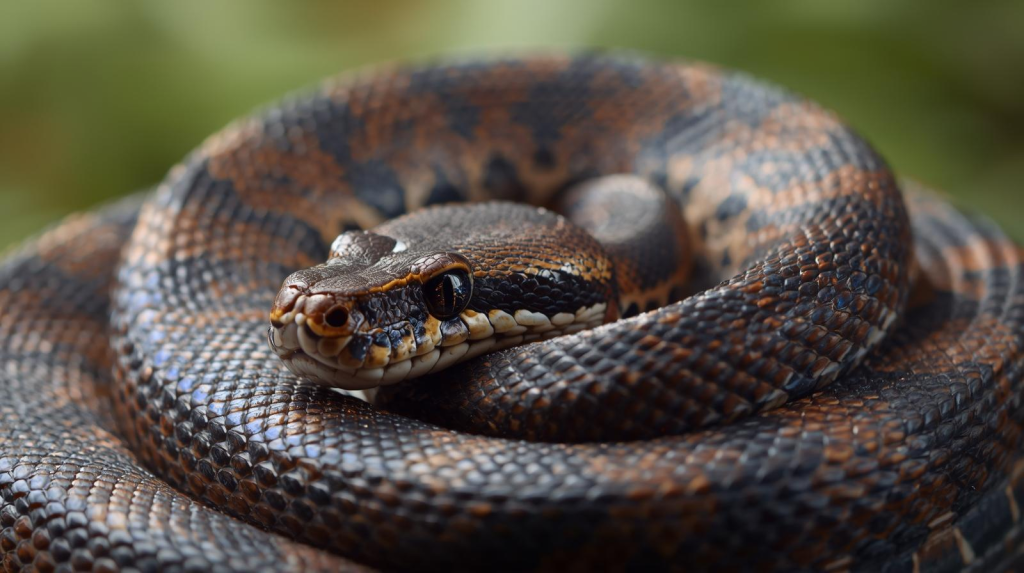

When people keep reptiles as pets, one question often slithers into their minds: Do reptiles feel lonely? Unlike dogs or parrots, reptiles are not known for their affection or pack mentality. But that doesn’t mean they lack needs or feelings altogether. Understanding their solitary behavior helps us create better environments for their well-being.
Let’s explore what science and experience reveal about reptile emotions, social tendencies, and the right ways to care for these fascinating creatures.
The Myth of Loneliness in Reptiles
Many pet owners instinctively project human emotions onto their pets. Loneliness is one of those deeply human experiences we often assume all creatures share. However, reptiles operate differently. They’re primarily driven by instinct rather than social emotion.
Most reptiles—snakes, lizards, turtles, and tortoises—are solitary animals in the wild. They hunt, bask, and sleep alone. Social interaction rarely benefits them; in fact, being around others often leads to competition or aggression. In nature, reptiles only meet for essential reasons like mating or territory disputes.
That’s why loneliness, as humans understand it, doesn’t apply to them in the same way. Their brains don’t process companionship as a necessity for happiness.
Understanding Reptile Social Behavior
Solitary Instincts
Reptiles have evolved to survive independently. Unlike mammals that rely on social bonds, most reptiles find comfort in solitude. This instinct keeps them safe from predators and reduces competition for resources.
For instance, a bearded dragon or ball python in the wild doesn’t seek out company. Its instinct tells it to stay alone to avoid stress or injury. When confined in close quarters with others, these same instincts can cause tension—even violence.
Territorial Nature
Another reason reptiles prefer being alone is their strong territorial instinct. Many reptiles guard their basking spots or feeding areas fiercely. Two males sharing an enclosure can lead to constant dominance displays or fights. Even females may become territorial, especially during breeding or nesting.
So rather than loneliness, a reptile left alone feels natural comfort within its defined space. That’s its version of peace.
Emotional Range: What Reptiles Actually Feel
While reptiles may not feel loneliness, they aren’t emotionless. Research suggests reptiles experience a basic range of emotional states linked to survival—comfort, fear, stress, and even mild curiosity.
- Comfort: A relaxed reptile maintains regular breathing, eats well, and explores its habitat calmly.
- Fear or stress: Rapid movements, hiding, or refusing food can signal distress.
- Security: Familiar surroundings and proper environmental conditions help reptiles feel safe.
Though their emotional range is simpler than mammals, it’s significant enough to influence their health and behavior. Owners who mistake solitary comfort for boredom may unintentionally disrupt their reptile’s peace.
Signs of Stress Misinterpreted as Loneliness
Pet owners sometimes believe their reptile is lonely when it shows certain behaviors. However, these actions often indicate environmental or health stress, not emotional isolation.
Common signs of stress include:
- Frequent hiding or glass surfing
- Loss of appetite
- Color changes (in species that shift hues)
- Unusual aggression or lethargy
If your reptile acts “off,” look first at husbandry factors: temperature, humidity, lighting, or cage size. These conditions affect their comfort far more than social contact.
Do Any Reptiles Enjoy Company?
While most reptiles prefer solitude, there are exceptions. Some species tolerate or even benefit from limited social interaction—usually within specific boundaries.
Tolerant Species
- Green iguanas: In the wild, juveniles often bask together for warmth. However, adults usually separate as they grow.
- Garter snakes: During brumation (a reptile’s version of hibernation), they may cluster together for warmth.
- Crocodiles: Surprisingly, crocodilians show brief social tolerance during basking or nesting periods, though dominance hierarchies still apply.
Even in these cases, coexistence is more about survival efficiency than companionship. Once conditions change, they usually part ways.
Human Interaction: Can Reptiles Bond With You?
Reptiles don’t bond like mammals, but they can recognize patterns, scents, and handling routines. Over time, many learn to associate you with safety or food. That recognition leads to a form of trust—not affection in the emotional sense, but a learned tolerance.
A calm reptile that doesn’t hide or bite when you approach isn’t showing love, but acceptance. This comfort is the highest form of “bond” reptiles can offer. It’s subtle, yet rewarding for owners who appreciate their quiet nature.
Creating a Healthy Environment for Solitary Reptiles
Even though reptiles don’t feel lonely, they still need stimulation and security. A well-structured habitat ensures their mental and physical health.
Provide Enclosure Enrichment
Give them:
- Hiding spots for security
- Branches or rocks for climbing
- Natural textures to explore
- Consistent light and temperature cycles
Maintain Routine
Reptiles thrive on consistency. Feed them on schedule, maintain stable conditions, and limit unnecessary disturbances. Predictability helps reduce stress and fosters a calm demeanor.
Limit Handling
Too much handling can overwhelm certain species. Observe how your reptile reacts—some tolerate gentle handling, while others prefer to be admired from afar. Respecting their boundaries is key to maintaining trust.
The Science Behind Reptile Behavior
Reptiles have smaller limbic systems compared to mammals—the brain region responsible for emotion and social bonding. This biological difference explains why they function independently without emotional distress.
Studies using behavioral observation and brain imaging confirm that reptiles respond to environmental cues, not emotional voids. Their contentment comes from meeting basic needs: warmth, safety, food, and space.
So, rather than feeling lonely, reptiles simply seek balance in their surroundings.
Common Myths About Reptile Companionship
Let’s clear up a few misconceptions that often lead to improper care.
- Myth: Reptiles get bored alone.
Reality: They prefer solitude. Boredom in reptiles is rare and usually linked to inadequate stimulation, not lack of company. - Myth: Two reptiles will comfort each other.
Reality: Housing multiple reptiles together can lead to dominance issues or injury. - Myth: Reptiles need constant handling to be happy.
Reality: While regular gentle handling helps them get used to humans, excessive contact causes stress. - Myth: Reptiles recognize love.
Reality: They recognize consistency, not affection. Trust replaces emotional bonding.
Conclusion
So, do reptiles feel lonely? The simple answer is no. Reptiles are naturally solitary creatures whose instincts favor independence. They don’t crave companionship or emotional connection the way mammals do. What they do need is stability—safe space, proper temperature, regular feeding, and respect for their boundaries.
When you understand their nature and care for them on their terms, reptiles can thrive in captivity—calm, confident, and content in their solitude.
FAQ
1. Can I keep two reptiles in one tank?
Only if the species naturally tolerates cohabitation. Most reptiles should be kept alone to prevent stress or aggression.
2. How do I know if my reptile is stressed?
Watch for signs like hiding, refusal to eat, or pacing along the glass. Adjust habitat conditions first before assuming loneliness.
3. Do reptiles recognize their owners?
Yes, in a limited way. They can learn to associate you with food, safety, or routine handling but not emotional attachment.
4. Is it cruel to keep a reptile alone?
No. Most reptiles prefer solitude. Providing proper environmental enrichment keeps them mentally healthy.
5. Can reptiles feel happiness?
Not in the human sense. But when their physical and environmental needs are met, they experience a calm, contented state that indicates well-being.