
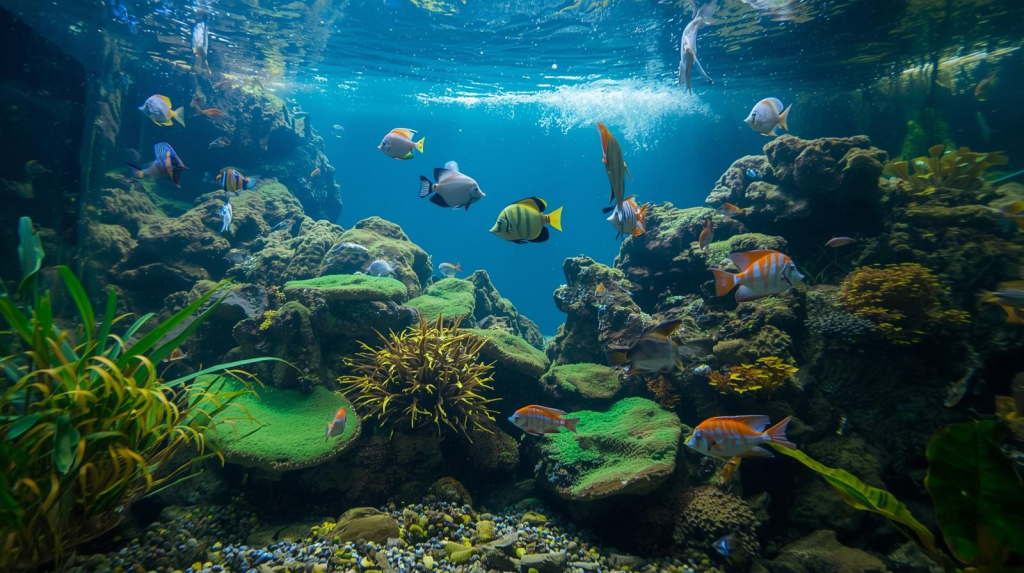

Creating a peaceful environment for your aquarium isn’t just about clean water or the right food. The hidden stressors—light and vibration—can deeply affect your fish’s health and behavior. When you understand how these factors influence their wellbeing, you can take real steps to make your aquarium a calm, thriving space.
Understanding Fish Sensitivity to Light and Vibration
Fish live in a world of subtle cues. In their natural habitats, light and vibration patterns are predictable. Artificial setups often disrupt this rhythm. Sudden flashes, intense lighting, or constant vibrations can make them anxious or even harm their immune system.
The Role of Light in Fish Stress
Light is more than a way to illuminate your tank—it shapes your fish’s daily rhythm. Just as humans need a balance of day and night, fish rely on consistent light cycles. When the aquarium light is too bright, left on too long, or suddenly switched off, it can create confusion and stress.
Many species evolved in shaded or dimly lit waters. Bright LED or fluorescent lights can feel harsh, forcing them to hide or dart around nervously. This unnatural exposure can lead to fatigue and weakened health over time.
How Vibration Affects Fish Behavior
Vibrations travel faster in water than in air. Every rumble from an appliance, footsteps near the stand, or slamming door can feel like an earthquake to your fish. Their lateral line system—a series of sensory cells along the body—detects even faint vibrations.
Frequent or unpredictable vibrations cause stress responses similar to panic in humans. You might notice erratic swimming, loss of appetite, or hiding behavior. Over time, chronic exposure can weaken their immune function, making them prone to disease.
Signs of Light and Vibration Stress in Fish
Recognizing the symptoms of stress early helps prevent bigger problems. Fish often communicate distress through changes in behavior and appearance.
Behavioral Signs
- Sudden darting or frantic swimming
- Staying motionless for long periods
- Refusal to eat
- Hiding behind decorations constantly
- Jumping or thrashing unexpectedly
Physical Signs
- Faded color or dull scales
- Torn fins
- Clamped fins
- Rapid gill movement (heavy breathing)
- Increased susceptibility to infections
When these signs persist, your fish may be living under constant stress from environmental triggers like light and vibration.
Managing Light to Reduce Fish Stress
Transitioning to better lighting control can calm your aquarium significantly. Think of light as part of the natural routine rather than decoration.
Use a Consistent Light Cycle
Fish thrive on predictability. A 10- to 12-hour light period followed by complete darkness mimics their natural day-night rhythm. Using a timer ensures lights turn on and off gently at the same times every day, reducing startle reactions.
Soften Harsh Lighting
Avoid intense overhead lighting. Instead, use subdued LEDs with dimming features. Floating plants or shaded décor also create comfort zones for fish to retreat when needed.
If your aquarium is near a window, shield it from direct sunlight to prevent sudden glare and temperature fluctuations that add to stress.
Avoid Sudden Light Changes
Flipping the lights on or off abruptly can shock your fish. Gradual lighting transitions—either manually or through programmable LED systems—allow fish to adjust calmly, similar to dawn and dusk in nature.
Reducing Vibrations in and Around the Aquarium
While it’s impossible to eliminate all vibrations, you can minimize them significantly by managing your setup and surroundings carefully.
Choose a Stable Aquarium Stand
A sturdy, vibration-dampening stand is crucial. Wobbly furniture or uneven flooring amplifies movement. Placing rubber padding or foam under the tank base can absorb microvibrations from nearby activity.
Control External Sources of Vibration
Keep the aquarium away from heavy-traffic areas, speakers, washing machines, or television sets. Even low-frequency sound waves from loud music can disturb your fish’s sense of security.
When cleaning or maintaining equipment, move gently and avoid knocking the tank glass. To a fish, every tap is magnified underwater.
Inspect Equipment for Noise and Vibration
Filters, air pumps, and heaters can create continuous low-level vibrations. Over time, these hums add up. Ensure your filter is balanced, properly installed, and insulated with vibration pads if necessary.
Silencing unnecessary noise goes beyond aesthetics—it protects your fish’s health.
Creating a Calm, Stress-Free Aquarium Environment
Light and vibration are only parts of the equation. A calm environment includes stable water conditions, safe tank mates, and thoughtful human interaction.
Balance Light, Sound, and Movement
Avoid placing tanks in rooms with fluctuating lighting or loud traffic. Choose calm corners of the house where the fish can settle into consistent surroundings. If your aquarium is in a living space, make sure lighting patterns match your fish’s routine rather than your schedule.
Encourage Natural Behavior
A well-decorated tank with plants, caves, and natural décor gives fish safe spaces to explore and hide. This encourages natural swimming patterns and reduces exposure to constant light or vibration.
A balanced environment allows your fish to display natural curiosity rather than fear.
Why Stress Reduction Matters for Fish Health
Chronic stress weakens immunity and disrupts digestion, making fish vulnerable to common illnesses like ich, fin rot, and bacterial infections. Stress also suppresses breeding instincts and shortens lifespan.
Reducing light and vibration stress helps fish thrive in color, movement, and vitality. When their environment feels stable, they conserve energy for growth and reproduction instead of survival.
Practical Steps to Maintain Peace in Your Aquarium
To summarize, here are easy, daily actions you can take:
- Keep consistent light cycles using a timer
- Avoid loud music or vibrations near the tank
- Regularly check and pad noisy equipment
- Provide shaded areas with plants and décor
- Handle maintenance calmly and quietly
- Observe fish daily for signs of stress
These small adjustments create a ripple effect of tranquility, helping your fish stay relaxed and healthy long term.
Conclusion
Light and vibration fish stress is often invisible, yet it quietly shapes your aquarium’s balance. Understanding how these sensory factors influence your fish helps you build a safer, more natural habitat. By controlling lighting intensity, timing, and vibration sources, you can transform your aquarium into a sanctuary—one where your fish swim peacefully, thrive with color, and show their true personality.
FAQ
1. How does light affect fish stress levels?
Bright or inconsistent lighting confuses fish and disrupts their daily rhythm, leading to anxiety and fatigue.
2. Can household noise really stress fish?
Yes. Vibrations from TVs, washing machines, or even footsteps can cause panic and hiding behavior in fish.
3. What lighting schedule reduces stress for fish?
A consistent 10–12 hour light period followed by darkness helps fish maintain their natural rhythm.
4. How can I reduce vibration in my tank setup?
Use a stable stand, rubber padding, and keep the tank away from high-traffic or noisy areas.
5. What are the long-term effects of stress on fish?
Chronic stress weakens immunity, reduces appetite, and shortens lifespan, making stress prevention vital for aquarium health.


