
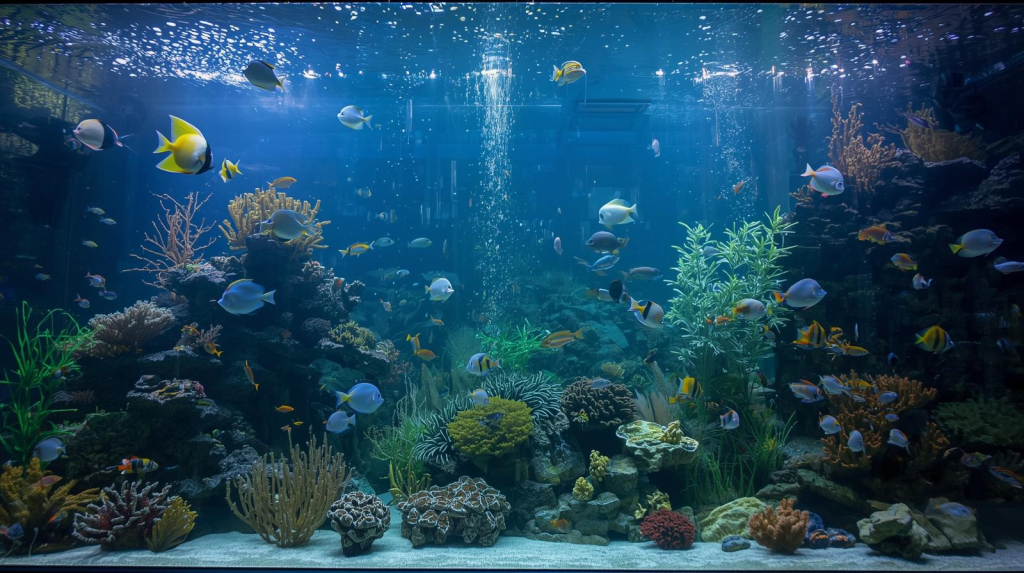

Creating a calm aquarium setup is one of the most rewarding parts of fishkeeping. Watching shy or nervous fish come out of hiding, glide peacefully through the water, and explore their surroundings is truly satisfying. But if your aquarium feels too loud, bright, or crowded, those timid swimmers may retreat and stay stressed.
Let’s explore how to create a peaceful underwater world that helps your fish feel secure, confident, and happy.
Understanding Why Fish Get Nervous
Before diving into setup tips, it’s helpful to understand why fish become anxious in the first place.
Fish are incredibly sensitive creatures. They respond to changes in water quality, noise, light, and even vibrations. A small shock—like a tap on the glass or sudden movement—can make them dart for cover.
Common causes of fish stress include:
- Sudden changes in temperature or pH
- Overcrowded tanks
- Strong filter currents
- Bright or fluctuating lighting
- Lack of hiding spots
- Aggressive tank mates
Just like people, fish thrive in a calm, predictable environment. A proper calm aquarium setup can prevent stress-related illness and help shy species feel at ease.
Choosing the Right Aquarium Size
Tank size has a big influence on your fish’s comfort level.
For a calm aquarium setup, go slightly larger than the minimum recommended size for your species. A bigger tank allows for stable water parameters and gives fish room to establish personal territory. This space helps reduce territorial disputes and stress.
For example:
- Small community fish like tetras or guppies: at least 20 gallons
- Shy bottom dwellers like corydoras or loaches: 30 gallons or more
- Territorial species like bettas or dwarf cichlids: separate tanks or clearly divided zones
Think of it as creating “apartments” rather than a crowded dorm. Each fish should have enough room to swim, hide, and rest without bumping into others.
Selecting the Right Tank Location
Where you place the aquarium matters as much as what’s inside it.
Choose a low-traffic, quiet spot away from doors, TVs, and speakers. Sudden vibrations and loud noises can make fish jumpy. Avoid direct sunlight too, as it can cause glare and algae growth.
If possible, set the tank against a solid wall to block out movement behind it. Fish feel safer when they can’t be approached from all directions.
You’ll notice that when the environment stays steady, your fish spend less time hiding and more time exploring their new calm aquarium setup.
Creating Gentle Lighting Conditions
Lighting can dramatically affect fish behavior. Too bright, and they’ll hide; too dim, and plants may suffer. The key is balance.
For shy or nervous fish, use adjustable LED lights with a soft, warm spectrum. These mimic natural daylight without being harsh. Consider installing a timer to simulate sunrise and sunset transitions—abrupt lighting changes can startle fish.
You can also add floating plants like duckweed or water lettuce to diffuse light naturally. The dappled effect makes fish feel protected, much like shade under a tree.
Designing a Stress-Free Layout
The layout is the heart of a calm aquarium setup. Fish feel most secure when they have places to retreat and explore.
Use decorations, driftwood, rocks, and live plants to build natural hiding spots. Caves, tunnels, and densely planted corners are perfect safe zones. Arrange these so that fish can move from one area to another without feeling exposed.
Try to avoid symmetry. In nature, spaces are uneven, and fish use irregular structures to orient themselves. A natural-looking layout reduces anxiety and encourages natural behaviors like foraging and schooling.
Also, ensure there are open swimming areas. A balance between cover and space keeps all species comfortable.
Maintaining Gentle Water Flow and Sound
Strong filter currents can turn a peaceful aquarium into a stressful one. Nervous fish prefer calm waters that resemble ponds or slow-moving streams.
Choose a filter that provides efficient cleaning but allows adjustable flow control. You can also break up strong currents using plants, rocks, or sponge pre-filters.
Water movement should be steady but not forceful. If your fish constantly fight against the flow, it’s too strong.
As for sound, avoid noisy air pumps or filters that vibrate heavily. A calm aquarium setup should sound like a whisper, not a waterfall.
Ensuring Stable Water Quality
Clean, balanced water is the foundation of a calm tank. Poor water conditions are one of the biggest stress triggers for shy fish.
Perform regular water changes—about 25% weekly—and test parameters consistently. Keep ammonia and nitrite at zero, and nitrates below 20 ppm.
Maintain a stable temperature within the species’ comfort range. Sudden shifts, even a few degrees, can cause panic or illness. A reliable heater with a thermostat helps keep things steady.
Adding beneficial bacteria through regular tank cycling also supports long-term stability. Fish sense and appreciate this equilibrium.
Selecting Compatible Tank Mates
Even the most peaceful setup won’t work if your fish feel threatened by their neighbors.
Choose species that match in temperament and size. Avoid fin-nippers or territorial species when keeping shy fish. For instance, pairing calm species like rasboras, corydoras, or small tetras often works well.
When in doubt, research community compatibility before adding new fish. Introducing one new fish at a time allows others to adjust gradually.
A calm aquarium setup thrives when everyone coexists peacefully, without fear or competition.
Adding Natural Elements for Comfort
Nature has a soothing effect, even underwater.
Live plants like Java fern, Anubias, or Amazon sword not only beautify your tank but also provide shelter and oxygen. Smooth rocks, driftwood, and leaf litter mimic natural habitats, helping fish feel “at home.”
You can even include natural backgrounds to reduce reflections, which sometimes confuse or stress fish.
This organic approach creates a tranquil environment that feels balanced and alive—perfect for shy or nervous fish to thrive.
Maintaining Routine and Consistency
Fish are creatures of habit. A predictable routine makes them feel safe.
Feed them at consistent times, maintain regular light cycles, and avoid rearranging decor frequently. Sudden changes disrupt their sense of security.
Even maintenance should be calm and methodical. Move slowly when cleaning the tank, and avoid loud movements or splashes. Over time, your fish will recognize these patterns and respond with confidence.
Conclusion
A calm aquarium setup isn’t just about beauty—it’s about balance, care, and understanding. When your fish feel safe, their true personalities emerge. You’ll see them swim gracefully, explore freely, and even interact with you more often.
By combining the right tank environment, lighting, water flow, and companions, you create a peaceful home where shy or nervous fish can truly relax. It’s not just an aquarium anymore—it’s a sanctuary of calm and connection.
FAQ
1. How can I tell if my fish are stressed?
Look for signs like hiding constantly, rapid gill movement, loss of color, or erratic swimming. These often indicate stress or discomfort.
2. What is the best lighting for shy fish?
Use soft, adjustable LED lighting with gradual on/off transitions. Adding floating plants helps diffuse brightness naturally.
3. Can tank decorations help fish feel calmer?
Yes. Caves, rocks, and dense plants create safe zones that help fish feel protected from perceived threats.
4. How often should I clean a calm aquarium setup?
Perform partial water changes weekly and clean filters monthly. Avoid over-cleaning, as it can remove beneficial bacteria.
5. Which fish species are best for a calm aquarium?
Peaceful fish like tetras, rasboras, guppies, corydoras, and gouramis adapt well to tranquil tank environments.