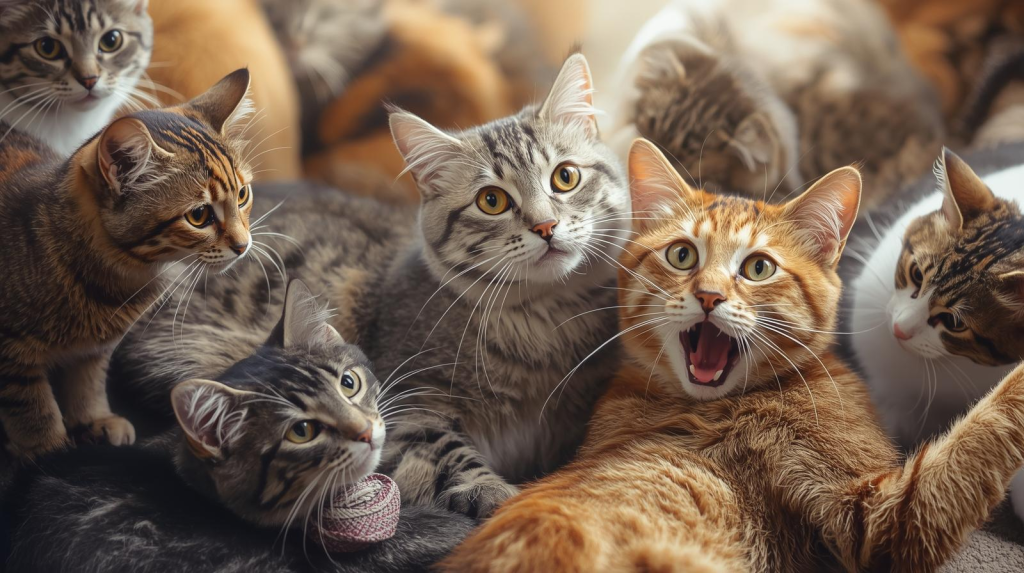

Cats may appear independent and composed, but many of them live quietly with anxiety. Whether it’s loud noises, unfamiliar guests, or sudden changes, even the most confident feline can become stressed. Creating a stress-free home for cats is essential to their emotional and physical well-being. When your cat feels calm, you’ll notice improved behavior, stronger bonds, and fewer health issues.
Let’s explore how to build a peaceful environment that helps anxious cats feel safe, relaxed, and truly at home.
Understanding Cat Anxiety
Before creating a stress-free home for cats, it’s important to recognize what makes them anxious. Cats are creatures of habit, and even small disruptions can cause distress.
Common triggers include:
- Sudden loud noises like vacuum cleaners or fireworks
- Changes in routine or household members
- Conflict with other pets
- Trips to the vet or new environments
- Lack of hiding or resting spaces
You may notice signs such as hiding, overgrooming, aggression, or loss of appetite. These are your cat’s way of saying, “I’m not comfortable.” By understanding these behaviors, you can respond with empathy and adjust your home accordingly.
Creating Safe Spaces for Your Cat
Every cat needs a refuge — a quiet, cozy area where they can retreat when the world feels overwhelming.
Start by identifying calm corners of your home away from heavy traffic and noise. Provide soft bedding, a blanket, or a cat cave to make it feel secure. Vertical spaces like cat trees or shelves also offer comfort since cats instinctively prefer high vantage points where they can observe without feeling threatened.
Avoid forcing your cat into these areas. Instead, allow them to discover their sanctuary naturally. When cats choose their own safe zones, they associate the space with security, not confinement.
Managing Noise and Household Energy
One of the biggest challenges in maintaining a stress-free home for cats is managing noise levels. Cats have incredibly sensitive hearing. Sounds that barely register to us can be startling or even painful for them.
Keep the home calm by:
- Playing soft classical or ambient music to mask sharp sounds
- Limiting vacuum use when your cat is in the same room
- Speaking in calm, gentle tones around them
- Creating quiet hours during high-stress times, like thunderstorms
For particularly anxious cats, using a white noise machine can help drown out unpredictable noises and provide a consistent soundscape that feels soothing.
Reducing Environmental Stressors
Creating a stress-free home for cats isn’t only about silence — it’s about stability. Cats thrive in predictable environments. Try to maintain consistency in feeding times, play routines, and interactions.
Avoid sudden changes like rearranging furniture or introducing new scents without a gradual transition. If you must make adjustments, let your cat explore the changes at their own pace. A simple item like a familiar blanket or toy can make new areas feel safe.
Even the smell of cleaning products can unsettle a cat. Choose pet-safe, unscented cleaners whenever possible. Their sharp noses are far more sensitive than ours, and unfamiliar chemical scents may heighten their anxiety.
Introducing New Pets or People Gradually
If you’re introducing a new pet or welcoming a new family member, slow introductions are crucial to maintaining a stress-free home for cats. Cats rely heavily on scent to identify safety.
Start by letting your cat smell the newcomer’s scent before meeting face-to-face. Use a separate room initially, allowing gradual exposure. Reward calm behavior with treats and gentle praise. Avoid scolding or forcing interactions — patience builds trust faster than pressure ever will.
When both parties seem relaxed, supervise short visits and separate them if tension arises. Over time, familiarity replaces fear, and your cat will adapt to the new companion with confidence.
Enrichment for a Calmer Mind
Boredom often breeds anxiety. Keeping your cat mentally and physically stimulated reduces stress and prevents destructive behavior.
Try incorporating:
- Interactive toys like feather wands and laser pointers
- Puzzle feeders that challenge their problem-solving skills
- Climbing structures or window perches for exploration
- Scheduled playtime that mimics hunting instincts
Routine is key. Even 10–15 minutes of focused play each day helps anxious cats release energy and tension. A cat who feels engaged and fulfilled is far less likely to dwell on their fears.
Using Calming Aids and Scents
Sometimes, natural calming aids can enhance your efforts to create a stress-free home for cats.
Products like pheromone diffusers, calming sprays, or herbal remedies (such as valerian or chamomile blends made for pets) can soothe tension. These mimic natural feline communication signals that promote safety and relaxation.
However, always consult your vet before introducing supplements or diffusers. Some cats may react differently to scents or ingredients. The goal is gentle support — not overstimulation.
Maintaining a Predictable Routine
Routine is the anchor of a cat’s emotional stability. Feeding, playtime, and affection should happen around the same time each day. Cats feel safest when they know what to expect.
If you travel often or have an unpredictable schedule, use automatic feeders or pet cameras to provide consistency. Even small gestures — like greeting your cat when you get home — reinforce that the world is stable and dependable.
A predictable routine can turn an anxious feline into a confident, affectionate companion who trusts their environment completely.
When to Seek Professional Help
If your efforts to create a stress-free home for cats don’t seem to be working, don’t lose hope. Some cats experience deeper anxiety that requires professional support.
Your veterinarian can rule out medical issues that mimic stress, like thyroid imbalance or pain. They may also recommend a feline behaviorist who can help identify specific triggers and develop a tailored plan.
With expert guidance, even severely anxious cats can learn to relax and trust again. The key is persistence and compassion.
Conclusion
Creating a stress-free home for cats is an act of love that transforms both your cat’s life and your bond with them. It’s about more than quiet corners or calming sprays — it’s about empathy, routine, and understanding.
When your cat feels safe, their personality shines. You’ll notice more affection, playfulness, and calm energy throughout your home. Every purr, slow blink, and gentle nudge will remind you that your efforts were worth it.
FAQ
1. How can I tell if my cat is anxious?
Look for signs like hiding, excessive grooming, aggression, or loss of appetite. These often indicate stress or discomfort.
2. What sounds stress cats the most?
Sudden loud noises such as fireworks, vacuum cleaners, or construction sounds can easily startle sensitive cats.
3. How do I introduce a new cat to my anxious cat?
Start slowly with scent swapping and separate spaces. Gradually increase exposure until both cats feel calm and curious.
4. Do pheromone diffusers really work for cat anxiety?
Yes, many cats respond positively to pheromone diffusers as they mimic calming signals, though results vary by individual.
5. How long does it take to create a stress-free home for cats?
It depends on your cat’s personality. With consistency and patience, most cats begin to relax within a few weeks.