
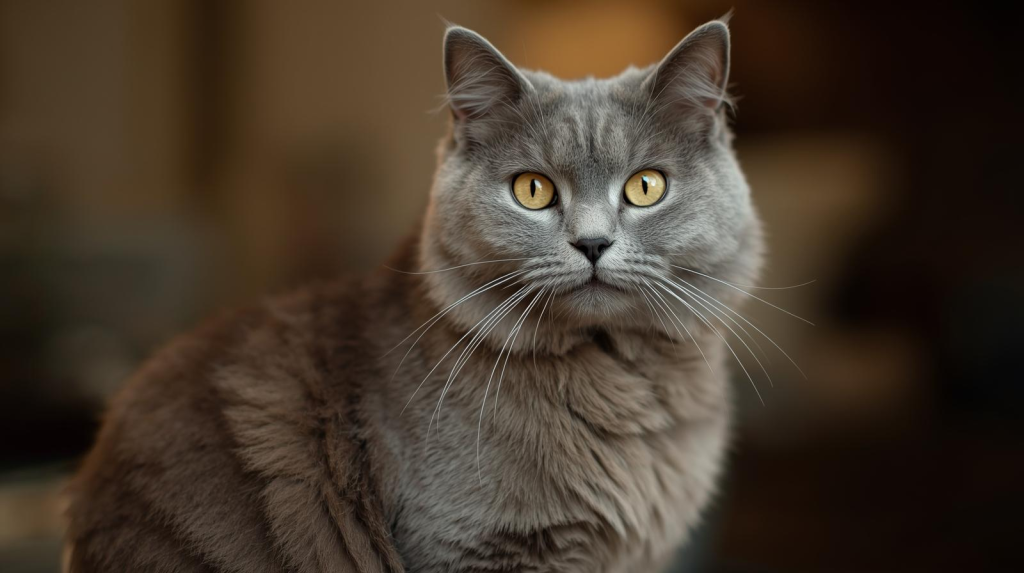

Cats are known for being self-cleaning creatures, but have you ever wondered if you should still bathe your cat? It’s a common question among pet owners, especially when faced with a muddy paw or an unexpected mess. The truth about feline hygiene is a bit more nuanced than you might think. While most cats are exceptional groomers, there are situations where a bath becomes necessary.
Let’s uncover when — and how — to bathe your cat safely, without turning bath time into a wrestling match.
Understanding Feline Grooming Habits
Cats are natural-born groomers. Their tongues are equipped with tiny, backward-facing barbs called papillae that help remove dirt, debris, and loose fur. You’ll often see your cat spending up to half of their waking hours grooming themselves.
This self-cleaning behavior isn’t just about cleanliness. Grooming helps:
- Distribute natural oils across the fur
- Regulate body temperature
- Reduce stress and anxiety
- Strengthen the bond between cats in multi-cat homes
Because cats are so thorough, many never need a bath. However, there are exceptions — and understanding them is key to keeping your cat healthy and comfortable.
When Should You Bathe Your Cat?
There’s no one-size-fits-all answer to whether you should bathe your cat. It depends on their coat type, health, and lifestyle. Some cats can go their entire lives without needing a full bath, while others might need occasional help.
Here are some situations when bathing your cat is recommended:
1. When They Get Into Something Messy
If your cat rolls in mud, sticky substances, or something toxic like motor oil, a bath is a must. These substances can’t be safely removed through self-grooming and could cause illness if ingested.
2. When They Have Skin Conditions
Cats with allergies, fungal infections, or flea infestations may require medicated baths prescribed by a vet. Specialized shampoos help soothe irritation and eliminate pests without harming your pet.
3. When They’re Elderly or Overweight
As cats age or gain weight, grooming becomes harder. They might miss areas like their back or hindquarters. Gentle bathing helps prevent matting and odor buildup.
4. When They’re Hairless or Long-Haired Breeds
Hairless breeds like the Sphynx produce oils that accumulate on the skin. Without fur to absorb it, they need regular bathing to prevent greasiness.
Long-haired breeds like Persians, on the other hand, can benefit from occasional baths to reduce tangles and shedding.
5. When They’re Showing Signs of Poor Hygiene
If your cat’s coat looks greasy, smells bad, or feels sticky, it’s time to intervene. Sometimes, this signals a deeper health issue, but a gentle bath can restore freshness.
How Often Should You Bathe a Cat?
Less often than you think! Overbathing can strip your cat’s coat of essential oils, leading to dryness and irritation.
As a general rule:
- Short-haired cats: Once or twice a year (or as needed)
- Long-haired cats: Every few months
- Hairless cats: Every 2–4 weeks
The key is to observe your cat’s behavior and coat condition. If they stay indoors, avoid messes, and groom regularly, frequent baths aren’t necessary.
How to Bathe Your Cat Without Stress
Bathing a cat can sound like a nightmare — claws, hissing, and chaos. But with preparation and patience, it can be surprisingly smooth. Here’s how to bathe your cat safely and calmly:
Step 1: Prepare Everything First
Before bringing your cat near water, have everything ready:
- A gentle, cat-safe shampoo
- Two towels (one for drying, one for wrapping)
- A small cup or handheld sprayer
- A rubber mat or towel in the sink for grip
Step 2: Trim Nails and Brush Fur
Trim your cat’s nails beforehand to prevent scratches. Brush their fur to remove tangles and loose hair. This makes the bath easier and faster.
Step 3: Use Lukewarm Water
Cats are sensitive to temperature. Lukewarm water feels safest and most comfortable. Never use hot water — it can burn their delicate skin.
Step 4: Start Slowly
Wet your cat gradually from the neck down. Avoid the head, eyes, and ears. Use a soft voice and gentle movements to keep them calm.
Step 5: Apply Shampoo Carefully
Massage a small amount of cat-safe shampoo into their coat. Avoid human shampoos, as they can disrupt your cat’s skin pH and cause irritation.
Step 6: Rinse Thoroughly
Rinse until all shampoo is gone. Residue can cause itching or dandruff.
Step 7: Dry Gently
Wrap your cat in a towel to absorb excess water. You can use a hairdryer on the lowest heat setting if your cat tolerates it — but keep it brief and quiet.
Alternatives to Bathing Your Cat
If your cat despises water (and many do), don’t worry — there are alternatives to traditional bathing.
Dry Shampoo for Cats
Pet-safe dry shampoos or waterless foams can freshen your cat’s coat without water. Simply apply, massage, and wipe away with a cloth.
Pet Wipes
Fragrance-free grooming wipes are great for spot-cleaning paws, tails, or fur after accidents or outdoor adventures.
Regular Brushing
Brushing removes loose fur, prevents mats, and distributes natural oils. It’s also a bonding activity your cat might actually enjoy.
Balanced Diet and Hydration
Healthy skin and fur start from within. A diet rich in omega-3 fatty acids and proper hydration supports a shiny coat and reduces odor.
Common Mistakes to Avoid When You Bathe Your Cat
Even well-meaning pet owners make mistakes when bathing cats. Avoid these pitfalls to make the process safe and effective:
- Using human shampoo: It’s too harsh for cats.
- Bathing too often: This strips away oils and causes dryness.
- Skipping the rinse: Leftover shampoo irritates the skin.
- Forcing your cat: Stress makes bathing harder next time.
- Ignoring temperature: Cold or hot water can shock your cat.
By taking a gentle, informed approach, you’ll protect your cat’s comfort and skin health.
Do Indoor Cats Need Baths?
Indoor cats usually don’t need regular baths. Their environment is cleaner, and they rarely get dirty enough to require washing. However, certain situations — such as illness, fleas, or oily fur — may still call for occasional help.
If your indoor cat starts smelling unusual or looking unkempt, it’s worth consulting your vet before resorting to a full bath. Sometimes, the issue lies deeper than dirt.
The Truth About Feline Hygiene
So, should you bathe your cat? The truth is, it depends. Cats are naturally hygienic, and most keep themselves spotless. But some — due to breed, health, or circumstance — need a helping hand.
Bathing your cat isn’t about forcing them into the tub. It’s about knowing when it’s necessary, how to do it safely, and how to keep them clean between washes. With the right care, your feline friend will stay healthy, happy, and fresh — without dreading bath time.
FAQ
1. How often should you bathe your cat?
Most cats only need a bath once or twice a year. Hairless breeds or long-haired cats may need more frequent cleaning.
2. Can I use human shampoo on my cat?
No. Human shampoo can disrupt your cat’s skin pH and cause irritation. Always use a cat-safe shampoo.
3. What should I do if my cat hates water?
Use dry shampoo, grooming wipes, or frequent brushing instead. Never force your cat into the water.
4. Do indoor cats need regular baths?
Usually not. Indoor cats groom themselves efficiently, but may need occasional help if they get dirty or oily.
5. What’s the safest way to dry a cat after a bath?
Towel-dry first, then use a low-heat hairdryer if your cat allows it. Keep the air gentle and avoid loud noise.