
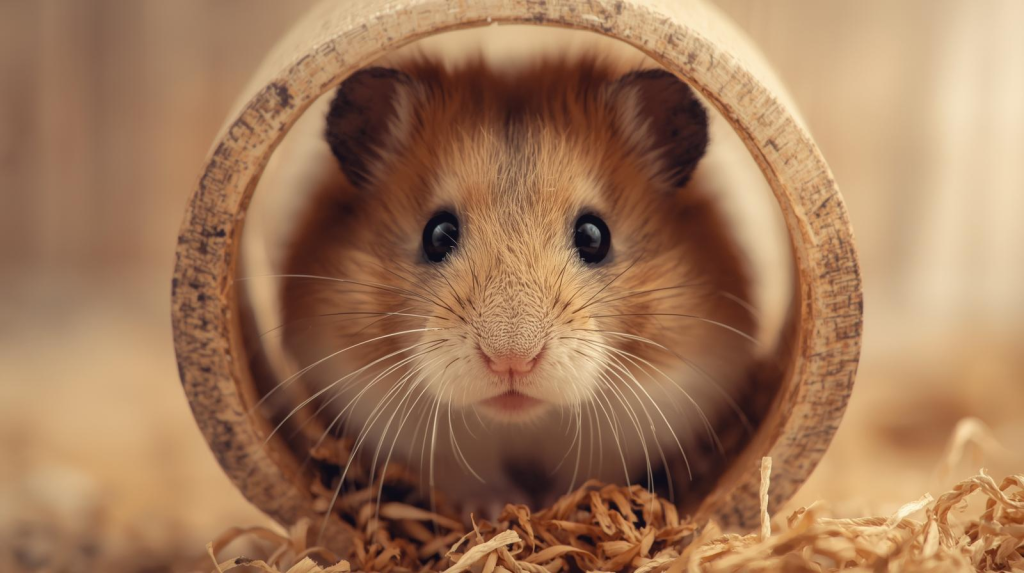

Keeping your hamster calm and stress-free isn’t just about food, bedding, and exercise. It’s also about peace and quiet. Noise stress is one of the most overlooked problems in small pets, yet it can seriously affect their health and behavior. If you’ve ever noticed your hamster freezing, hiding, or biting more than usual, noise could be the silent culprit.
In this article, you’ll learn exactly how to protect hamsters from noise stress, identify early warning signs, and create a peaceful home where your furry friend feels safe and secure.
Understanding Noise Stress in Hamsters
Hamsters have incredibly sensitive hearing. What sounds like a soft hum to you might feel like a roaring engine to them. Their tiny ears can detect higher frequencies that human ears miss completely.
When loud or constant noises overwhelm them—like barking dogs, TV sounds, or construction—they experience what’s known as noise stress. This stress response triggers physical and emotional reactions similar to fear or panic.
Over time, exposure to loud environments can cause hamsters to become anxious, aggressive, or even physically ill. Recognizing this hidden form of stress early on can prevent long-term harm.
Why Noise Stress Happens
Noise stress in hamsters often comes from simple environmental factors we overlook in daily life. Here are the main causes:
Household Noise
Televisions, radios, and gaming consoles create constant background noise that can confuse or frighten your hamster. Vibrations from subwoofers or high-pitched sounds from electronics can disturb their rest, especially during daylight hours when they prefer to sleep.
Human Activity
Children laughing, doors slamming, or vacuum cleaners running too close to the cage can make a hamster feel trapped and unsafe. Because they’re prey animals, hamsters instinctively hide from sudden or unpredictable sounds.
Other Pets
Barking dogs, meowing cats, or even birds chirping can trigger fear. Even if other pets don’t pose a direct threat, your hamster doesn’t know that. The constant noise signals potential danger to them.
Outdoor Sounds
If your hamster’s cage is near a window, outdoor noises like car horns, sirens, or construction can also cause ongoing stress.
Signs Your Hamster Is Stressed by Noise
Recognizing the symptoms of noise stress helps you act quickly. Watch for these behavioral and physical changes:
- Hiding more often or refusing to come out
- Trembling, freezing, or startled reactions
- Chewing cage bars or biting more than usual
- Reduced appetite or drinking
- Restless pacing or repetitive movements
- Patchy fur or excessive grooming
If you notice any combination of these, it’s time to take action to protect your hamster from noise stress and restore their sense of security.
How to Protect Hamsters from Noise Stress
Now that you know what causes noise stress, let’s explore practical ways to reduce it and make your hamster’s environment as peaceful as possible.
1. Choose the Right Cage Location
Start by placing your hamster’s cage in a quiet part of the house. Avoid high-traffic areas like living rooms or hallways. Instead, opt for a calm space—like a bedroom corner or a dedicated pet room—away from TVs, speakers, and doorways.
Keep the cage away from walls that vibrate from nearby appliances or loud music. Even soft vibrations can travel through surfaces and disturb your hamster’s rest.
2. Use Noise-Reducing Materials
You don’t have to soundproof your home, but a few small adjustments make a big difference. Place the cage on a soft surface like a thick towel or mat to absorb vibrations. You can also line nearby walls with foam panels or thick curtains to muffle outside sounds.
Avoid placing the cage directly on wooden or metal stands that echo vibrations. Plastic or padded surfaces are much gentler for sensitive ears.
3. Keep a Consistent Routine
Hamsters thrive on consistency. Sudden changes in environment or daily routines—like moving their cage frequently—can heighten stress. Try to feed, clean, and interact with your hamster at roughly the same times each day.
When the world around them feels predictable, even occasional noises won’t bother them as much.
4. Mask Harsh Sounds Naturally
If you live in a noisy household or near a busy street, masking the sound can help. Play gentle white noise or soft instrumental music at a low volume. These steady, calm sounds help drown out unpredictable noises that cause stress.
Just ensure the volume is low enough that it doesn’t become another source of irritation.
5. Interact Calmly and Gently
When handling your hamster, avoid sudden movements or loud talking. Approach slowly, use a calm tone, and give them time to adjust to your presence. This helps them associate human interaction with safety instead of fear.
If there’s loud activity nearby—like guests or children playing—wait until things quiet down before handling your pet.
Creating a Calm Sleeping Environment
Hamsters are nocturnal, which means they sleep during the day when the household is usually busiest. Protecting their rest time is crucial to keeping them emotionally balanced.
Use a cage cover or partially shaded area to reduce light and sound during daytime hours. Provide plenty of nesting material—like shredded paper or soft bedding—so your hamster can burrow deep and feel protected from noise.
A deep, secure nest acts like nature’s earplugs. The more enclosed and insulated their nest is, the less outside noise will disturb them.
Training Your Hamster to Handle Noise
While you can’t eliminate every noise, you can help your hamster build resilience gradually. Start by exposing them to mild, consistent sounds at low volume—like gentle talking or soft music.
Over time, increase the duration slightly. This helps your hamster learn that not all sounds mean danger. However, never push too far. If your hamster shows signs of stress, return to quieter conditions immediately.
This gradual approach builds comfort without overwhelming their senses.
The Role of Enrichment and Comfort
A calm environment isn’t only about silence—it’s also about stimulation and comfort. Provide tunnels, chew toys, and exercise wheels to keep your hamster mentally occupied. When their mind is active and engaged, they’re less reactive to minor noises.
Regular playtime outside the cage (in a safe, quiet room) also builds trust and helps your hamster release pent-up stress.
A balanced combination of comfort, play, and calm surroundings protects your hamster from noise stress naturally.
When to Consult a Vet
If your hamster’s stress symptoms don’t improve despite creating a quieter environment, consult a veterinarian. Chronic stress can lead to health issues like wet tail, weight loss, or weakened immunity.
Your vet can help identify underlying conditions and suggest solutions such as dietary adjustments or habitat modifications.
Remember—early intervention is key. The sooner you act, the easier it is to reverse the effects of noise stress.
Conclusion
Learning how to protect hamsters from noise stress is one of the most caring steps you can take as a pet owner. Your hamster depends on you to create a world that feels safe, stable, and peaceful.
By choosing a quiet location, minimizing vibrations, keeping routines consistent, and gently interacting with your pet, you help them thrive emotionally and physically.
A calm hamster isn’t just happier—it’s healthier, more playful, and more trusting. Silence, in this case, truly is golden.
FAQ
1. How do I know if my hamster is stressed by noise?
Look for signs like hiding, trembling, reduced appetite, or aggression. These often indicate your hamster feels threatened by loud sounds.
2. Can hamsters get used to regular household noise?
Yes, with time and consistent exposure to mild, predictable sounds, hamsters can adapt to moderate background noise.
3. Is it okay to keep a hamster in a room with a TV?
Not ideal. Constant noise and flashing lights can disturb their rest. Choose a quieter space instead.
4. How can I reduce noise if my house is always loud?
Use soft background sounds, thick curtains, and vibration-absorbing mats. These simple changes help shield your hamster from stress.
5. What should I do if my hamster remains anxious despite quiet conditions?
Consult a vet to rule out illness or chronic stress. They can recommend further steps to improve your hamster’s well-being.